

If you’ve found yourself asking, “where can i sell scrap metal” and how to maximise your earnings from it, you’ve come to the right place. This comprehensive guide is designed for Australian residents, tradespeople, and businesses looking to turn unwanted metal into cash while contributing positively to the environment. The process involves more than just hauling an old refrigerator to the nearest yard; it’s about understanding metal grades, market dynamics, preparation techniques, and the extensive recycling journey your materials will undertake. This knowledge is power, and it directly translates into a better payout for you and a healthier planet for everyone.
Understanding the Different Grades of Scrap Metal
Before you even think about loading up your ute, the most critical step is to understand what you’re selling. Not all scrap metal is created equal, and its value is directly tied to its type, purity, and form. Misidentifying your metal is the fastest way to leave money on the table. Scrap yards categorize metals into two primary groups: ferrous and non-ferrous.
Ferrous Metals: These metals contain iron, making them magnetic and susceptible to rust. They are typically heavier and are the most commonly found scrap, but they also command a lower price. Common examples include:
- Mild Steel: Found in car bodies, structural beams, and old furniture.
- Cast Iron: Used in engine blocks, old-fashioned bathtubs, and machinery bases.
- Stainless Steel: A valuable exception in the ferrous category. It’s corrosion-resistant and found in kitchen appliances, sinks, and commercial equipment. Ensure it’s not mixed with regular steel.
Non-Ferrous Metals: These metals do not contain iron, are non-magnetic, and are highly resistant to corrosion. This category holds the most valuable scrap. Key types include:
- Copper: The king of scrap metal. Bright, shiny copper wire (bare bright) is the most valuable, followed by #1 copper (clean tubing) and #2 copper (painted or soldered). Found in electrical wiring, plumbing pipes, and motors.
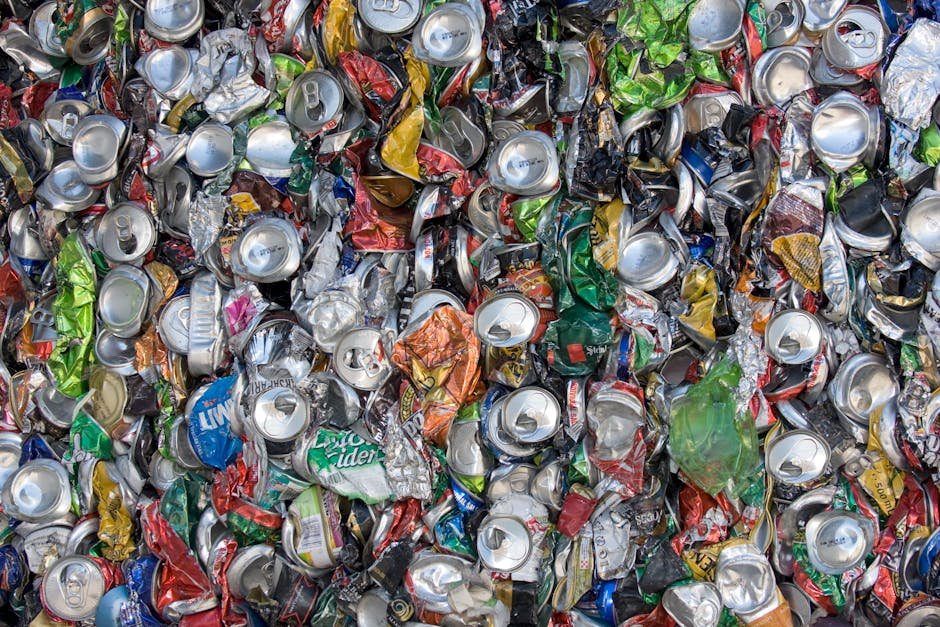
- Aluminium: Lightweight and common. Clean extrusion (from window frames) and cast aluminium (from engine parts) are worth more than contaminated foil or painted siding. Beer and soda cans are a separate, high-volume category.
- Brass: A yellow-coloured alloy of copper and zinc. Found in taps, door handles, valves, and shell casings.
- Lead: Heavy, soft, and dull grey. Typically from weights, roofing materials, or old batteries (which are often processed separately).
- High-Grade Alloys: This includes items like catalytic converters from cars, which contain precious metals like platinum, palladium, and rhodium, making them extremely valuable per unit.
How to Prepare Your Scrap for the Best Price
Preparation is where you directly increase the value of your load. A scrap dealer pays for pure metal, not for dirt, plastic, rubber, or other contaminants. Taking the time to sort and clean your materials is the single most effective way to get paid more. Here’s how to do it right:
- Sort Meticulously: Separate every metal type into distinct piles. Use a magnet to quickly identify ferrous (sticks) from non-ferrous (doesn’t stick) metals. Further separate copper from aluminium, brass, etc. Mixed loads will be paid at the lowest-value metal’s rate.
- Remove Contaminants: Strip copper wire of its plastic insulation. Remove steel bolts from aluminium radiators. Take the rubber handles off copper pipes. The purer the metal, the higher the grade and the more cash for scrap you will receive.
- Clean When Practical: While you don’t need to polish every piece, removing excessive dirt, oil, or grease can prevent a load from being downgraded. A quick rinse with a hose can sometimes make a difference.
- Safe Handling: Always wear appropriate personal protective equipment (PPE) like heavy-duty gloves and safety glasses when handling and preparing scrap metal to avoid cuts and other injuries.
For a more detailed breakdown on preparation and sorting techniques, our dedicated guide on how to Sell Scrap is an invaluable resource.
Where Can I Sell Scrap Metal: Your Local Options
This is the core question: where can i sell scrap metal? Australia has a well-established network of buyers, but the best choice depends on the volume and type of your scrap.
- Local Scrap Metal Yards and Recycling Centres: These are the most common destinations. They are equipped with large scales to weigh your vehicle and are familiar with all metal grades. They often post their daily buy prices publicly. To find the most convenient and reputable ones, use our locator tool for Scrap Metal Recycling Near Me.
- Metal Merchants and Specialist Buyers: Some businesses specialise in certain materials, such as exclusively buying copper and brass or dealing with automotive scrap like catalytic converters. These specialists often pay premium rates for their specific niche.
- Online Marketplaces and Collection Services: For smaller quantities or awkward items, platforms like Gumtree or Facebook Marketplace can be useful. Additionally, some services offer to pick up larger scrap metal items directly from your home or worksite for free, though the price per kilo may be lower to account for their logistics.
- Commercial Scrap Collection Services: For businesses, factories, or construction sites generating large, ongoing volumes of scrap, arranging a dedicated collection service is the most efficient way to sell metal scrap and manage waste streams.
To get a real-time view of options tailored to your location, check out our updated guide for Sell Scrap Metal Near Me In 2026.
How to Get the Absolute Best Price for Your Scrap
Getting the best price isn’t just about showing up. It’s a strategy. Follow these expert tips to maximise your return:
- Know the Market: Scrap metal prices are volatile and tied to global commodity markets. Prices can fluctuate daily. Call several local yards ahead of time to get their current rates for your specific metals. Don’t be afraid to let them know you’re shopping around.
- Volume is King: The more you have, the stronger your negotiating position. Smaller loads might be subject to minimum weight fees or lower flat rates. If possible, save up your scrap until you have a significant quantity to sell in one go.
- Build a Relationship: If you are a regular supplier, whether as a tradesperson or a dedicated scrapper, building a good relationship with a yard’s buyer can lead to better rates and more trust in your sorted loads.
- Time Your Visit: Some industry insiders suggest that prices can be more favourable at the end of the month when yards are looking to meet quotas, though this isn’t a hard and fast rule. The best approach remains consistent market research.
- Weigh Your Load Yourself: If you have access to scales, knowing the approximate weight of your clean, sorted metal before you go gives you a ballpark figure for what to expect and prevents any potential disputes.
The Transaction: Documents Needed and How You Get Paid
Due to stringent regulations aimed at preventing metal theft, selling scrap is not an anonymous cash transaction. Be prepared to provide identification and follow the yard’s procedures.
Required Documentation:
- Photo ID: A current Australian driver’s licence or passport is mandatory. This is required by law for the yard to create a transaction record.
- Proof of Ownership: For high-value or unusual items (e.g., an entire car engine, large quantities of new copper wire), the yard may ask where you got it. It’s always best to have a reasonable answer to prove legitimate ownership.
- Vehicle Details: Your vehicle’s licence plate number will be recorded upon entry to the yard.
Payment Methods:
- Cash: Still common for smaller amounts, but many yards are moving away from it for security and traceability reasons.
- Electronic Funds Transfer (EFT): This is becoming the standard. The payment is usually processed and deposited into your nominated bank account within 24 hours of the sale.
- Cheque: Less common now, but some older establishments may still offer payment by cheque.
Always get a printed docket or receipt that details the weight, grade, price per kilo, and total amount paid for your records. For a smooth process from start to finish, learn the ins and outs of how to sell scrap metal effectively.
The Journey of Scrap Metal: How Recycling Really Works
Ever wondered what happens after you drive away? The recycling process is a sophisticated industrial operation that brings your scrap back to life as new products.
- Collection and Sorting: Yards aggregate tons of metal from individuals and businesses. Using advanced techniques like magnets, eddy current separators, spectrometers, and manual sorting, the metals are separated into precise categories.
- Processing and Shearing: Large metal items are compressed and sheared into smaller, more manageable pieces using powerful hydraulic machinery to facilitate melting.
- Shredding: The processed scrap is fed into giant shredders that use hammers and rotors to tear the metal apart into even smaller pieces, further separating any remaining impurities.
- Melting and Purification: The shredded metal is transported to smelters and placed in massive, high-temperature furnaces designed for specific metals. The molten metal is then purified to achieve the desired chemical composition.
- Solidifying and Transportation: The purified molten metal is cast into ingots, bars, or slabs. These are then sold to manufacturing facilities where they are rolled, drawn, or extruded into new products, completing the circular economy loop.
The Significant Environmental Benefits of Scrap Metal Recycling
Choosing to sell your scrap metal isn’t just a financial decision; it’s an environmentally responsible one. The benefits are profound and multi-layered.
- Conservation of Natural Resources: Recycling metal drastically reduces the need for virgin ore mining. For example, recycling aluminium saves 95% of the energy required to make new aluminium from bauxite ore.
- Massive Energy Savings: As mentioned, the energy savings across all metals are enormous. This directly translates to a massive reduction in greenhouse gas emissions compared to primary production.
- Reduction in Landfill Waste: Metal is permanent; it does not decompose in landfills. Diverting it from waste streams saves valuable landfill space and prevents soil and water contamination from metals leaching into the environment.
- Economic Stimulus: The scrap metal industry is a significant contributor to the Australian economy, creating jobs in collection, transportation, processing, and manufacturing.
By engaging with a platform like Scrap Trade, you are directly participating in this green economy, ensuring your metal is handled responsibly and efficiently from pickup to processing.
Conclusion: Turn Your Unwanted Metal into Value
The question of “where can i sell scrap metal” opens the door to a rewarding practice that benefits your wallet and the world. The key to success lies in knowledge: correctly identifying your metals, dedicating time to preparation, researching local buyers for the best price, and understanding the required procedures. Whether you’re a homeowner clearing out the shed, a electrician with leftover wire, or a business with industrial waste, the scrap metal recycling industry is accessible to all. By following this guide, you are now equipped to navigate this market confidently, ensuring you get the fairest value for your materials while contributing to a more sustainable and circular economy here in Australia. Remember, what is old and unused to you is a valuable resource waiting to be reborn. To start your journey, connect with the national network of buyers on Scrap Trade, Australia’s leading platform for scrap metal trading and recycling.
Frequently Asked Questions
Do I need an ID to sell scrap metal in Australia?
Yes, absolutely. It is a legal requirement across Australia to present a valid government-issued photo ID, such as a driver’s licence or passport, when selling scrap metal. This is to help yards comply with regulations designed to prevent metal theft and ensure all transactions are traceable.
What is the most valuable scrap metal I can find?
Copper is consistently the most valuable common scrap metal, with ‘bare bright’ copper wire (clean, unalloyed, uncoated) fetching the highest price per kilogram. Other high-value metals include brass, clean aluminium, and especially the precious metals found inside catalytic converters (platinum, palladium, rhodium).
How should I prepare my scrap metal before selling it?
To get the best price, you should separate all metals by type (use a magnet to sort ferrous from non-ferrous), remove any non-metal contaminants like plastic, rubber, or insulation, and clean off excessive dirt or grease. Sorting into pure categories ensures you are paid at the higher, correct rate for each metal.
Will a scrap yard pay me cash on the spot?
While some smaller yards may still pay cash for small amounts, Electronic Funds Transfer (EFT) is becoming the standard payment method for safety and regulatory reasons. Payment is typically processed quickly and deposited directly into your bank account, often within 24 hours of the sale.