
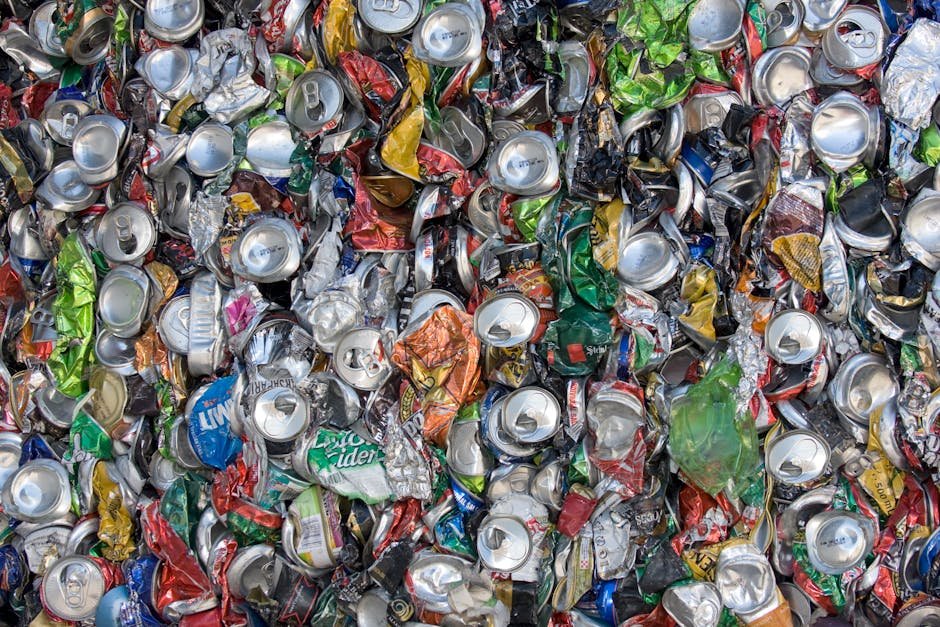

For residents and businesses in Western Sydney, finding reputable scrap aluminium recyclers Seven Hills is the first step towards turning waste into a valuable resource while making a significant positive environmental impact. This comprehensive guide will delve into every aspect of working with a recycling centre, from understanding different aluminium scrap grades and the intricacies of the aluminium price to the practicalities of drop-off and pickup services. The process of al recycling is a cornerstone of the modern circular economy, and by engaging with local experts, you are contributing directly to a more sustainable Australia. We will explore the entire journey of a piece of scrap, from your hands to its reincarnation as a new product, detailing the environmental benefits every step of the way.
Why Recycle Aluminium? The Unmatched Environmental Imperative
Aluminium is infinitely recyclable without any loss of its inherent properties. This makes it one of the most valuable and environmentally important materials to recycle. The primary benefit, and perhaps the most staggering, is energy savings. Producing new aluminium from bauxite ore is an incredibly energy-intensive process. In contrast, recycling aluminium uses only about 5% of the energy required for primary production. This massive reduction translates directly into lower greenhouse gas emissions, helping to combat climate change.
Furthermore, recycling reduces the need for mining bauxite, which is a destructive process that leads to habitat destruction, soil erosion, and water pollution. By supplying your scrap to scrap aluminium recyclers Seven Hills, you are actively reducing the demand for virgin materials and minimising the environmental footprint associated with mining and refining. Every tonne of aluminium recycled saves approximately four tonnes of bauxite. It also conserves vast amounts of water and prevents used aluminium from occupying space in landfills, where it would remain for centuries.
Understanding Grades of Scrap Aluminium
Not all aluminium is created equal, and scrap yards classify it into different grades based on its alloy composition, form, and contamination levels. Understanding these grades is crucial as they directly determine the aluminium price you will receive. Clean, well-sorted scrap commands a significantly higher price than mixed or dirty loads.
- Clean Aluminium Extrusion: This is one of the most common and valuable grades. It comes from window frames, door frames, and other architectural structures made from aluminium extrusion profiles. It must be clean, meaning free of steel screws, plastic, rubber seals, and other attachments.
- Aluminium Cans (UBCs – Used Beverage Containers): This is a dedicated stream due to its high volume. Cans are typically made from a specific alloy and are easily compacted. They should be clean and free of liquid or other waste.
- Cast Aluminium: Often found in automotive parts like engine blocks, transmission cases, and wheels, as well as in older cooking pots. It is typically heavier and has a different alloy composition than extrusions.
- Sheet Aluminium / MLC (Mixed Low Copper): This includes clean aluminium siding, roofing, and signage. It should be free of insulation, nails, and other metals.
- Aluminium Foil: Thin gauge aluminium used for packaging. It is often contaminated with food waste, making it less valuable unless collected in large, clean quantities.
- Dirty or Mixed Aluminium: This is a low-grade category for material that is contaminated with other metals, plastics, or debris. It will fetch the lowest price and may even incur a charge for processing.
For a deeper dive into identifying, preparing, and maximising the value of your scrap, our Bulk Aluminium Scrap Buying Guide is an essential resource.
The Aluminium Recycling Process: From Scrap to New Product
The journey of your scrap aluminium is a fascinating and efficient industrial process. Once it leaves your hands with a scrap aluminium recyclers Seven Hills service, it undergoes several key stages.
1. Collection and Sorting: This is the first and most critical step. Scrap is collected via drop-off or pickup and brought to the yard. Here, it is meticulously sorted by grade. Advanced operations may use sensor-based sorting technology like eddy current separators and X-ray fluorescence (XRF) analyzers to identify and separate different alloys with high precision. Manual sorting is also common, where experienced workers separate extrusions from cast, sheet, and cables.
2. Processing and Preparation: Once sorted, the scrap is prepared for melting. This involves shredding or shearing it into smaller, uniform pieces to increase the surface area and make melting more efficient. Contaminants like paint, plastic, and dirt may be removed through decoating in a thermal or chemical process.
3. Melting and Purification: The prepared scrap is charged into a large furnace and melted at temperatures around 750°C. During melting, a flux is added to the molten metal. This flux helps separate the pure aluminium from any remaining impurities, which rise to the surface as dross and are skimmed off.
4. Alloying and Casting: After purification, the molten aluminium is tested. Depending on its final intended use, specific alloying elements like magnesium, silicon, or manganese may be added to achieve the desired chemical composition. The molten metal is then tapped from the furnace and cast into large ingots or billets.
5. Fabrication: These new aluminium ingots are shipped to manufacturing facilities where they are rolled into sheet, extruded into profiles, or drawn into wire to make new products. This closes the loop, as your old window frame or beverage can becomes part of a new car, building, or another can in as little as 60 days.
Drop-Off vs. Pickup Service: Which is Right For You?
When deciding how to get your scrap to a scrap aluminium yard Seven Hills, you have two main options: self-service drop-off or a professional pickup service. The best choice depends on the volume of your scrap, your access to transport, and your time constraints.
Drop-Off Service:
Taking your scrap to the yard yourself is a straightforward option. You load your vehicle, drive to the recycling centre, and unload for weighing and payment. This method is ideal if you have a small to medium amount of scrap, such as a few bags of aluminium cans or some old extrusions from a DIY project. The main advantages are immediacy—you get paid on the spot—and you have direct control over the process. Before you go, it’s wise to call ahead to confirm current prices, hours of operation, and any specific preparation requirements they may have.
Pickup Service:
For larger volumes, bulky items, or if you lack suitable transport, a scheduled pickup service is the most convenient solution. This is especially relevant for businesses generating ongoing scrap, construction sites with demolition waste, or individuals clearing out a large property. Professional scrap metal collectors will arrive with a dedicated truck, often equipped with a crane or lifter for heavy items, and handle all the loading. They will weigh the material on-site with certified scales and provide you with a ticket. This service saves you significant time, effort, and logistics headaches. Many scrap aluminium recyclers Seven Hills offer free pickup for loads above a certain weight threshold, as the value of the scrap covers their operational costs. To understand how these services often connect with suppliers, you can read about How Recyclers Find Industrial Scrap Sellers.
Maximising Your Return: Tips for Preparing Scrap Aluminium
A little bit of preparation can dramatically increase the value of your scrap and make the process smoother for everyone involved. Follow these expert tips before you drop off your material or schedule a pickup service.
- Sort and Separate: This is the golden rule. Keep different grades of aluminium separate. Do not mix extrusions with cast or sheet. Keep copper and brass completely separate. A load of clean, sorted aluminium will always fetch a higher price per kilogram than a mixed bin of metals.
- Decontaminate: Remove any attachments that are not aluminium. This includes taking steel bolts out of cast parts, pulling rubber seals off window frames, and removing plastic handles from pots. A magnet is a useful tool; if it sticks, it’s not aluminium.
- Clean It: While not always necessary for all grades, removing excess dirt, oil, and food waste can prevent your load from being downgraded. Rinsing out cans and letting them dry is a good practice.
- Compact if Possible: If you have a large volume of thin sheet or cans, consider compacting them. This reduces the volume, making it easier to transport and store. However, ensure you are not compacting different metals together.
- Know Your Weights: Having a rough idea of how much scrap you have helps when discussing quotes with recyclers. Bathroom scales can be used for smaller loads.
- Build a Relationship: Working consistently with a reputable recycler like ScrapTrade can be beneficial. They get a reliable supply, and you get trusted, transparent service and potentially better rates for high-quality, well-prepared material.
The Economic and Community Impact of Local Recycling
Choosing to recycle with a local Seven Hills operation has positive ripple effects throughout the community. The scrap metal industry is a significant contributor to the Australian economy, generating employment in collection, transportation, processing, and administration. By supporting local scrap aluminium recyclers Seven Hills, you are helping to sustain these local jobs and keep economic activity within the region.
Furthermore, these businesses often support local community initiatives and provide a vital service by cleaning up industrial waste, preventing illegal dumping, and promoting environmental stewardship. For businesses, developing a recycling program can enhance corporate social responsibility (CSR) credentials, demonstrating a commitment to sustainability to customers and stakeholders. It also turns a waste product that costs money to dispose of into a revenue stream. The industry also thrives on communication and networking; many traders and recyclers use tools like our Aluminium Scrap Whatsapp Group to stay connected on market trends and opportunities.
Finding the Right Recycler: What to Look For
Not all recycling services are created equal. When selecting a partner for your aluminium scrap, consider the following criteria to ensure a fair, safe, and efficient experience.
- Reputation and Reviews: Check online reviews, ask for testimonials, and seek recommendations from other tradespeople or businesses. A reputable company will have a track record of fair dealing.
- Transparent Pricing: The recycler should be upfront about their pricing structure. They should clearly explain how different grades are priced and provide a detailed docket upon sale. Be wary of offers that seem too good to be true.
- Licensing and Compliance: Ensure the company holds all necessary local and state licenses for scrap metal trading. This is not only a sign of legitimacy but also ensures they adhere to environmental and safety regulations.
- Customer Service: Look for a recycler that is responsive, answers your questions clearly, and provides helpful advice on preparing your scrap. Good communication is key.
- Convenience: Evaluate their operating hours, location for drop-off, and the efficiency of their pickup service. A company that makes the process easy for you is valuable.
For those specifically located in the area, exploring options for scrap aluminium seven hills or contacting a local scrap aluminium yard seven hills is the most direct path to turning your scrap into cash.
Conclusion: Your Role in the Circular Economy
Engaging with scrap aluminium recyclers in Seven Hills is far more than a simple transaction; it is an active participation in the global circular economy. By choosing to recycle, you are directly conserving natural resources, saving massive amounts of energy, reducing pollution, and supporting the local economy. Whether you are a homeowner with a few old gutters, a construction company with tonnes of demolition waste, or a manufacturer with production off-cuts, your aluminium scrap has immense value. Understanding the grades, preparing your material correctly, and choosing between drop-off and pickup empowers you to maximise that value. We encourage you to take this knowledge, gather your scrap, and partner with a trusted local recycler to ensure this incredibly versatile metal continues its useful life indefinitely, protecting our environment for future generations.
Frequently Asked Questions
What is the current price for scrap aluminium in Seven Hills?
The aluminium price fluctuates daily based on global market conditions, the London Metal Exchange (LME), and domestic demand. The specific grade of your scrap (extrusion, cans, cast, etc.) also dramatically affects the price. For the most accurate and up-to-date quote, you must contact your local scrap aluminium recyclers Seven Hills directly, as they can provide a rate based on the current market and your material’s quality.
Do I need to remove steel screws from aluminium window frames before recycling?
Yes, it is highly recommended. Steel is a ferrous metal and is considered a contaminant in aluminium scrap. Clean aluminium extrusion, free of steel, plastic, and rubber, is a high-value grade. Taking a few minutes to remove screws and other attachments with a magnet or tools will significantly increase the price you receive per kilogram for your scrap.
Is there a minimum amount of scrap required to book a free pickup service?
Most scrap metal recyclers offering free pickup services will have a minimum weight requirement to make the trip economically viable. This minimum can vary but often starts at 100kg for lighter materials like extrusions or several hundred kilograms for denser cast items. Always confirm the minimum weight and any other terms when scheduling your pickup with the recycling centre.
How is recycled aluminium different from new aluminium?
There is no functional difference. Aluminium is a permanent material, meaning it can be recycled repeatedly without degrading its quality or performance. Recycled aluminium has the same strength, durability, and corrosion resistance as aluminium made from virgin ore. It is simply melted, purified, and re-alloyed to meet the exact specifications needed for its next application.