
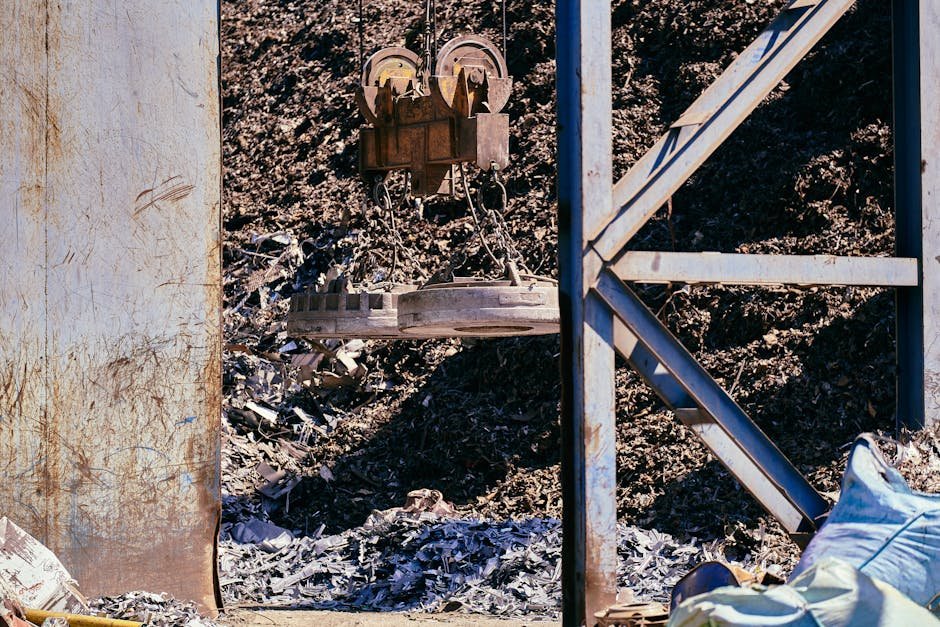

For businesses and individuals in Western Sydney, understanding the market for scrap steel Seven Hills is key to both maximizing financial return and contributing to a circular economy. This comprehensive guide serves as an authoritative hub, detailing everything from the different grades of scrap steel and current pricing to the intricate processes of recycling and its profound environmental advantages. As a foundational material in construction, manufacturing, and countless other industries, steel is infinitely recyclable, making its responsible management in areas like Seven Hills crucial for sustainability.
Understanding Scrap Steel: A Ferrous Metal Powerhouse
Steel is classified as a ferrous metal, meaning it contains iron. This iron content is what makes it magnetic, a simple test you can use to quickly distinguish it from non-ferrous metals like aluminium or copper. The vast majority of scrap metal generated from industrial, commercial, and demolition projects is ferrous, primarily in the form of various steel types. Its inherent strength, durability, and magnetic properties make it one of the easiest and most efficient materials to recycle. The entire infrastructure of modern society, from skyscrapers and bridges to automobiles and appliances, relies heavily on steel, and a significant portion of that is made from recycled content.
Common Grades of Scrap Steel Found in Seven Hills
Not all scrap steel is created equal. The value of your material is directly tied to its grade, which is determined by its thickness, composition, and preparation. Properly sorting your scrap is the single most important step to ensuring you receive the best possible steel price per tonne. The Australian market, including our local scrap steel yard Seven Hills, operates on a well-defined grading system. For a deep dive into the specifications, our guide on Steel Scrap Grading 1 Prepared 2 Prepared Shredded is an essential resource. The most common grades you will encounter are:
- Grade 1 Prepared (G1P): This is the premium grade of scrap steel. It consists of clean, heavy steel sections that are at least 6mm thick, free of any attachments like other metals, excessive rust, or contaminants. Think large I-beams, clean machinery parts, and thick plate.
- Grade 2 Prepared (G2P): This is a mid-range grade. It includes lighter, clean steel such as sheet metal from whitegoods (with motors removed), car body panels (free of plastics and upholstery), and ungalvanised roofing iron. It must be free of non-ferrous attachments.
- Shredded Scrap: This is the result of feeding mixed light iron steel through a powerful industrial shredder. Cars, whitegoods, and light fabrication waste are common inputs. The output is a fist-sized, homogenous material that is highly desirable for electric arc furnaces (EAFs) due to its density and melting efficiency.
- Heavy Melting Steel (HMS): Often a classification that combines G1P and G2P material, HMS is a standard international category for large bundles of prepared steel ready for the melt shop.
- Cast Iron: While distinct from steel due to its higher carbon content, cast iron (e.g., from engine blocks, old bathtubs, or heavy pans) is a ferrous scrap often handled alongside steel, though it typically commands a different price.
The Scrap Steel Recycling Process: From Waste to New Product
The journey of a piece of scrap steel is a remarkable feat of modern logistics and metallurgy. The process for scrap steel recycling Seven Hills follows a global standard optimized for efficiency.
- Collection and Sorting: It all begins at the source. Factories, demolition sites, and mechanics collect their steel waste. The first and most critical step is sorting it by grade and ensuring it is clean. This is where the value is created. Individuals can bring sorted scrap to a local yard.
- Weighing and Payment: Upon arrival at a recycling facility like Scrap Trade, the material is weighed on a certified truck scale. The weight is recorded, and based on the confirmed grade and the day’s market rates, a price is calculated and paid.
- Processing and Preparation: To meet mill specifications, scrap often needs further processing. This can involve shearing (cutting large beams to size), Steel Scrap Baling Processing Services Australia (compressing light gauge steel into dense, manageable blocks), or shredding. Shredding is particularly important as it liberates any non-ferrous metals attached to the steel (like copper wiring from a car), which can then be separated and recycled separately.
- Transport to Mill: Processed scrap is loaded onto ships or trains and transported to steel mills, both domestically and internationally.
- Melting and Purification: At the mill, the scrap is charged into a massive electric arc furnace (EAF). Electrodes create an intense arc of electricity, generating enough heat to melt the steel. Impurities are removed from the molten metal to create the desired chemical composition.
- Forming New Steel: The molten steel is cast into new forms, such as billets, blooms, or slabs. These are then rolled and shaped into new products—new beams, new car parts, new food cans—thus completing the loop.
Environmental Benefits of Recycling Scrap Steel
The environmental argument for recycling scrap steel is overwhelming and is a core reason why the industry is so vital. Choosing to recycle your scrap steel Seven Hills directly contributes to these benefits:
- Massive Energy Savings: Producing new steel from virgin iron ore is an incredibly energy-intensive process. Using recycled scrap steel reduces energy consumption by approximately 60-75%. This is because the iron has already been refined; the recycling process simply remelts it.
- Conservation of Raw Materials: Every tonne of scrap steel recycled saves 1.5 tonnes of iron ore, 0.5 tonnes of coal, and 0.3 tonnes of limestone from being mined. This preserves natural landscapes, reduces habitat destruction, and conserves finite resources for future generations.
- Reduction in Greenhouse Gas Emissions: The significant energy savings directly translate into a drastic reduction in CO2 emissions. The steel industry is a major contributor to global emissions, and recycling is its most powerful tool for decarbonization. It is estimated that recycling steel cuts air pollution by 86% and water pollution by 76% compared to primary production.
- Landfill Diversion: Steel is bulky. Diverting it from landfill saves enormous amounts of valuable space and prevents soil and groundwater contamination from potential toxins found in some coated or painted steels.
Economic Impact and Getting the Best Steel Price Per Tonne
Beyond the environment, the scrap steel industry is a significant economic driver. It creates jobs in collection, transportation, processing, and brokering. For you, the seller, it turns waste into a revenue stream. The steel price per tonne is not static; it fluctuates based on global demand, commodity markets, and local supply. To ensure you get the best value for your mild steel and other scrap:
- Sort Meticulously: Clean, well-sorted material always commands a higher price. Separate different grades and remove all contaminants.
- Know Your Grades: Understand the difference between heavy prepared steel and light sheet metal. Don’t let premium material be downgraded because it’s mixed with lower-value scrap.
- Monitor the Market: Prices can change daily. Building a relationship with a reputable buyer like Scrap Trade ensures you get transparent and fair pricing based on live market data.
- Consider Volume: Larger loads often receive better per-tonne rates due to efficiency gains for the yard.
Beyond Carbon Steel: Other Viable Scrap Metals
While this guide focuses on scrap steel, it’s common to find other metals alongside it. Stainless steel is a particularly valuable find. It is non-magnetic and contains chromium and nickel. It’s crucial to separate it from carbon steel, as it is processed and priced completely differently. If you suspect you have stainless steel scrap, always check the current Stainless Steel Scrap Price as it can be significantly higher than that of carbon steel. Similarly, copper, brass, and aluminium should be separated into their own categories to maximize your overall return.
Practical Tips for Managing Your Scrap Steel in Seven Hills
Whether you’re a large contractor or a homeowner cleaning out the garage, handling scrap steel safely and efficiently is important.
- Safety First: Always wear appropriate PPE—gloves, steel-capped boots, and safety glasses. Be mindful of sharp edges on cut metal.
- Efficient Collection: Use strong magnets to quickly identify ferrous metals. Have separate bins or piles for different grades from the outset to avoid re-sorting later.
- Prepare for Transport: Ensure your vehicle is suitable for the load weight. Secure the load properly to prevent anything from falling off during transit.
- Choose the Right Partner: Work with a licensed, professional, and transparent recycling operation. They should provide certified weighbridges, clear pricing, and proper environmental documentation for your records.
Conclusion: Your Role in the Circular Economy
The journey of scrap steel from a Seven Hills workshop to a mill and back into a new product is a powerful example of the circular economy in action. By understanding the grades, properly preparing your material, and choosing to partner with a responsible recycler, you are not just earning money from waste; you are actively participating in a system that conserves resources, saves energy, and protects the environment. The market for scrap steel Seven Hills is a robust and essential part of both our local and global economy. By engaging with it knowledgeably, you contribute to a more sustainable future for Australia and beyond.
Related: scrap steel yard seven hills
Related: scrap steel recycling seven hills
Frequently Asked Questions
What is the best way to prepare scrap steel for recycling in Seven Hills?
The best preparation involves meticulous sorting by grade. Keep heavy, clean steel (6mm+) separate from lighter sheet metal and whitegoods. Remove all non-ferrous attachments like copper wiring, motors, plastic, rubber, and excessive dirt or rust. Clean, well-sorted material commands the highest steel price per tonne.
How often does the price for scrap steel change?
The price for scrap steel is highly volatile and can change daily based on global steel demand, commodity market fluctuations, and local supply levels in Australia. It’s always best to contact your local scrap yard directly on the day you plan to sell for the most accurate, up-to-date pricing.
Can I recycle stainless steel with regular scrap steel?
No, you must never mix stainless steel with regular carbon steel. Stainless steel is non-magnetic and contains alloying elements like chromium and nickel. It is processed and melted separately and commands a significantly different price. Mixing them will result in your entire load being downgraded or rejected.
Why is recycling scrap steel better for the environment?
Recycling scrap steel offers profound environmental benefits. It reduces energy consumption by up to 75% compared to using virgin ore, conserves natural resources by saving tons of iron ore and coal, and drastically cuts greenhouse gas emissions and air pollution associated with primary steel production.