
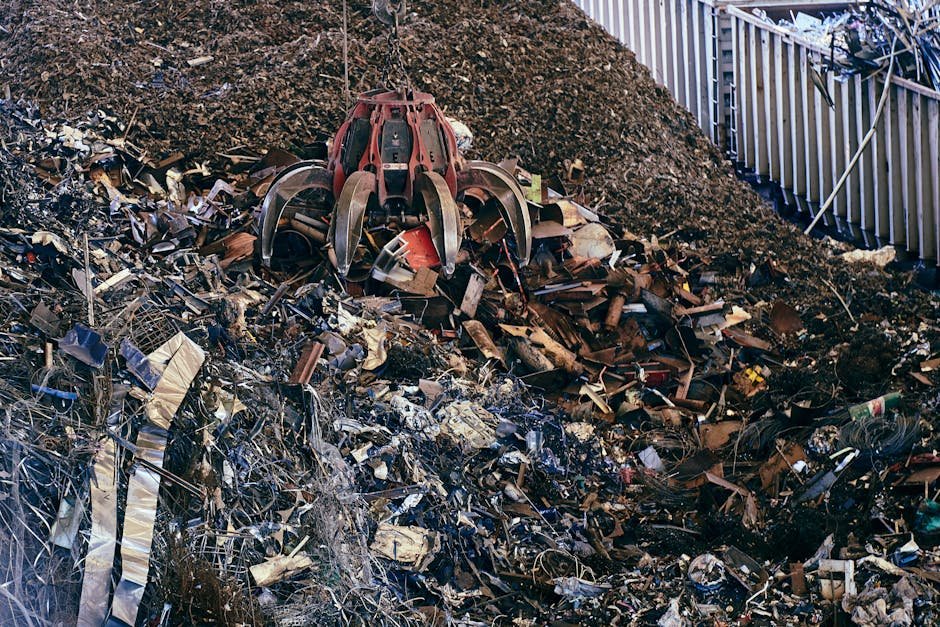

For residents and businesses in the Revesby area and across South Western Sydney, understanding the world of scrap metal Revesby is the first step towards turning unused items into cash and contributing positively to the environment. The scrap metal industry is a sophisticated and vital part of the modern economy, built on a foundation of efficient recycling processes, clear material grading systems, and a powerful environmental ethos. This comprehensive guide will delve deep into the different grades of scrap metal, demystify the step-by-step journey of how metal recycling works, and highlight the profound environmental benefits that make this practice so crucial for a sustainable future in Australia. Whether you’re a seasoned trader or a first-time seller, this knowledge is power.
Understanding the Different Grades of Scrap Metal
The value of your scrap is almost entirely determined by its grade and composition. Scrap yards categorise metal into two primary families: ferrous and non-ferrous. This distinction is the most critical factor in understanding scrap metal prices and the overall market.
Ferrous Metals: The Iron and Steel Family
Ferrous metals are alloys that contain iron, making them magnetic and generally prone to rust when exposed to moisture. They are the most commonly recycled materials in the world by volume, though they typically command a lower price per kilogram than non-ferrous metals.
- Heavy Steel: This grade includes thick, structural pieces like beams, columns, and large machinery parts. It is one of the most straightforward grades to identify and is a staple of industrial and demolition scrap.
- Light Iron/Sheet Metal: This category encompasses thinner metals, such as car body panels, washing machine shells, filing cabinets, and roofing iron. It is often compressed into large bales for efficient transportation and processing.
- Cast Iron: Recognisable by its brittle nature and granular breakage, cast iron is used in engine blocks, old-fashioned bathtubs, radiators, and some types of piping.
- Shredder Scrap: After large items like cars and white goods are shredded, the resulting mix of ferrous material is separated magnetically. This is a prepared feedstock for steel mills.
Non-Ferrous Metals: The High-Value Stars
Non-ferrous metals do not contain iron, are not magnetic, and are highly resistant to corrosion. This category includes some of the most valuable materials you can bring to a yard. Knowing how to identify these is key to maximising your return when you decide to sell scrap metal near me in 2026.
- Copper (#1 Bright Bare, #2, Light Copper): The king of scrap metal. Bright, uncoated copper wire or tubing (#1) fetches the highest price. #2 copper has slight oxidation or solder, while light copper refers to thin gauge wiring with insulation.
- Aluminium (Clean Extrusion, Cast, Sheet): Abundant and highly recyclable. Clean aluminium extrusions (from window frames) are premium, while cast aluminium (from engine parts, lawnmowers) and sheet aluminium (from siding, gutters) are separate, lower-value grades.
- Brass (Red, Yellow): An alloy of copper and zinc. Red brass (with higher copper content, found in plumbing valves) is more valuable than yellow brass (common in fixtures and decorative items).
- Stainless Steel: A special ferrous alloy that behaves like a non-ferrous metal due to its chromium content, making it non-rusting. It is graded by type (e.g., 304, 316).
- Lead, Zinc, and Precious Metals: This includes battery lead, wheel weights, and even small amounts of precious metals found in electronics and catalytic converters, which require specialised handling.
For a precise and current breakdown of what each grade is worth, always check live Scrap Metal Prices before your trip to the yard. A reputable scrap metal recycling near me facility like Scrap.Trade will have transparent pricing and expert staff who can help you grade your materials accurately.
The Scrap Metal Recycling Process: From Collection to New Product
The journey of a piece of scrap metal is a remarkable feat of modern logistics and engineering. It’s a circular process that breathes new life into discarded materials.
Step 1: Collection and Delivery
The process begins with collection. This can happen through individual drop-offs at a local yard, scheduled curbside collections for white goods, or commercial pick-up services for large industrial generators of scrap. In Revesby, many people search for where can i sell scrap metal and are directed to licensed facilities that accept public drop-offs. This is the first critical link in the recycling chain.
Step 2: Weighing and Sorting
Upon arrival at a facility like ame scrap metal revesby, the material is weighed on a large industrial scale. This initial weight determines the payout for the seller. The material is then taken to a sorting area. Here, expert sorters separate metals by type and grade. Magnets are used to quickly pull ferrous metals from mixed piles. Non-ferrous metals are identified by sight, experience, and sometimes with handheld analysers that determine the exact alloy composition.
Step 3: Processing and Preparation
To make transportation and melting more efficient, sorted metals are processed. This involves:
- Shearing: Using immense hydraulic force to cut thick, heavy pieces of steel into smaller, more manageable sizes.
- Baling/Compacting: Light iron and thin non-ferrous metals like aluminium cans are compressed into dense, cube-shaped bales.
- Shredding: Items like cars are fed into powerful shredders that tear them into small, fist-sized pieces.
- Granulation: For insulated copper wire, granulators chop the wire and separate the valuable copper from the plastic insulation.
Step 4: Melting and Purification
The prepared scrap is then transported to large mills and smelters. Each type of metal is melted in a giant furnace specific to its properties. The melting process is energy-intensive, but it uses far less energy than mining and refining new ore. During melting, impurities rise to the surface as slag and are removed, resulting in a pure molten metal.
Step 5: Solidification and Distribution
The purified molten metal is poured into moulds to form ingots, bars, or slabs. These new raw materials are then sold to manufacturing plants where they are used to create brand new products—from new cars and construction beams to aluminium cans and copper wiring, completing the recycling loop.
The Significant Environmental Benefits of Scrap Metal Recycling
Choosing to recycle scrap metal is one of the most effective individual actions for reducing environmental impact. The benefits are vast and multifaceted.
Conservation of Natural Resources and Energy Savings
Metal ore is a finite resource. Recycling preserves natural landscapes by drastically reducing the need for destructive mining operations. The energy savings are even more staggering. According to the US Environmental Protection Agency, recycling aluminium saves 95% of the energy required to make the same amount of aluminium from raw materials. Recycling steel saves 60-74% of the energy, and recycling copper saves 85-90%. This massive reduction in energy consumption directly translates to lower greenhouse gas emissions.
Reduction in Landfill Waste and Associated Pollution
Landfills are a significant source of methane, a potent greenhouse gas, and can leach toxic compounds into soil and groundwater. Metal is permanent; it does not decompose. By diverting scrap metal from landfill, we conserve enormous amounts of space and prevent soil and water contamination from metals and the often-hazardous substances associated with them (e.g., oils, coolants in engines).
Lowering Carbon Footprint and Combating Climate Change
The reduced energy demand from using recycled feedstock directly correlates to lower emissions from power plants. Furthermore, it cuts down on the emissions generated by the extensive transportation and heavy machinery used in mining operations. By supporting scrap metal recycling near me, every person in Revesby is actively participating in a global effort to reduce the industrial carbon footprint and mitigate climate change.
Practical Tips for Preparing Your Scrap Metal in Revesby
To ensure you get the best price and make the process smooth, a little preparation goes a long way.
- Sort and Separate: Your time is valuable. Sort your metals into different piles—copper, aluminium, brass, steel. Clean, separated metals always fetch a higher price than a mixed “mongrel” load.
- Clean Your Material: Remove any non-metal attachments. Take plastic off copper wire, empty oil from engines, and remove rubber hoses from brass fittings. You are paid for metal, not contaminants.
- Stay Safe: Wear appropriate gloves and safety glasses when handling scrap. Be extremely cautious of sharp edges and never attempt to handle materials you can’t identify, especially pressurized containers or unknown chemicals.
- Know Before You Go: Use online resources or call ahead to understand what materials your local yard accepts. Check the current Scrap Metal Prices to have a benchmark for your load’s value.
For a hassle-free experience, consider partnering with a professional service like ScrapTrade.com.au, which can provide guidance and competitive rates for your materials.
The Economic Impact of Scrap Metal Recycling in Australia
The scrap metal industry is not just an environmental endeavour; it’s a significant economic driver. It creates a multi-billion dollar circular economy within Australia, generating employment in collection, transportation, processing, and sales. It provides a low-cost source of raw material for domestic manufacturing, making Australian businesses more competitive. For individuals, it offers a way to declutter and generate extra income, turning trash into cash. The industry also contributes to a more secure supply chain by reducing reliance on imported raw materials and volatile global markets.
How to Choose a Reputable Scrap Yard in Revesby
Not all scrap metal dealers are created equal. It’s crucial to choose a licensed, transparent, and professional operation.
- Licensing: Ensure the yard holds all necessary local and state licenses. A licensed dealer operates within the law and is subject to regulations that protect you and the environment.
- Transparency: A good yard will have clear, openly displayed prices for different grades. They should be willing to explain how they graded your material and how the weight was calculated.
- Reputation: Check online reviews and ask for recommendations. A company with a long-standing positive reputation in the community, such as those found when searching for scrap metal revesby, is generally a safe bet.
- Customer Service: The staff should be knowledgeable and willing to answer your questions. A clean, organised yard is often a sign of a well-run business.
Conclusion: Your Role in the Sustainable Cycle
The journey of scrap metal from a discarded item in Revesby to a valuable new product is a powerful example of a circular economy in action. By understanding the grades of metal, you empower yourself to maximise the value of your scrap. By comprehending the intricate recycling process, you gain an appreciation for the industry’s sophistication. And by recognising the profound environmental benefits—from massive energy savings and resource conservation to pollution reduction—you can see how your individual action contributes to a global solution. The next time you have an old appliance, some leftover wiring, or any unused metal, remember that it is not waste. It is a resource. By choosing to find out where can i sell scrap metal and taking it to a reputable facility, you are not just earning money; you are making a conscious choice for a cleaner, more sustainable future for Revesby and Australia.
Related: Sell Scrap Metal Near Me In 2026
Related: Scrap Metal Recycling Near Me
Related: Scrap Metal Prices
Related: ame scrap metal revesby
Related: where can i sell scrap metal
Frequently Asked Questions
What is the most valuable scrap metal I can find around the house?
Copper is consistently the most valuable common scrap metal. Look for bare, bright copper wiring from old electronics, copper piping from plumbing, and copper tubing from old air conditioners or refrigerators. Clean, un-coated copper wire commands the highest price per kilogram at scrap yards.
Do I need to remove all plastic and insulation from wires before selling?
Yes, it is highly recommended. You will be paid significantly more for ‘bare bright’ copper wire that has been stripped of all insulation. If you have a large quantity, investing in a simple wire stripper can greatly increase your payout. Yards pay much less for insulated wire.
How does scrap metal recycling actually help the environment?
Recycling scrap metal offers immense environmental benefits. It conserves natural resources by reducing the need for mining, saves enormous amounts of energy (up to 95% for aluminium), drastically reduces greenhouse gas emissions compared to primary production, and prevents metal waste from occupying and polluting landfill sites.
What documents do I need to sell scrap metal in Revesby?
In NSW, reputable scrap metal dealers are required by law to verify the identity of sellers to prevent the trade of stolen goods. You will need to present a current driver’s licence or other government-issued photo ID. Some yards may also require proof of address. Always be prepared to show ID when you sell.