
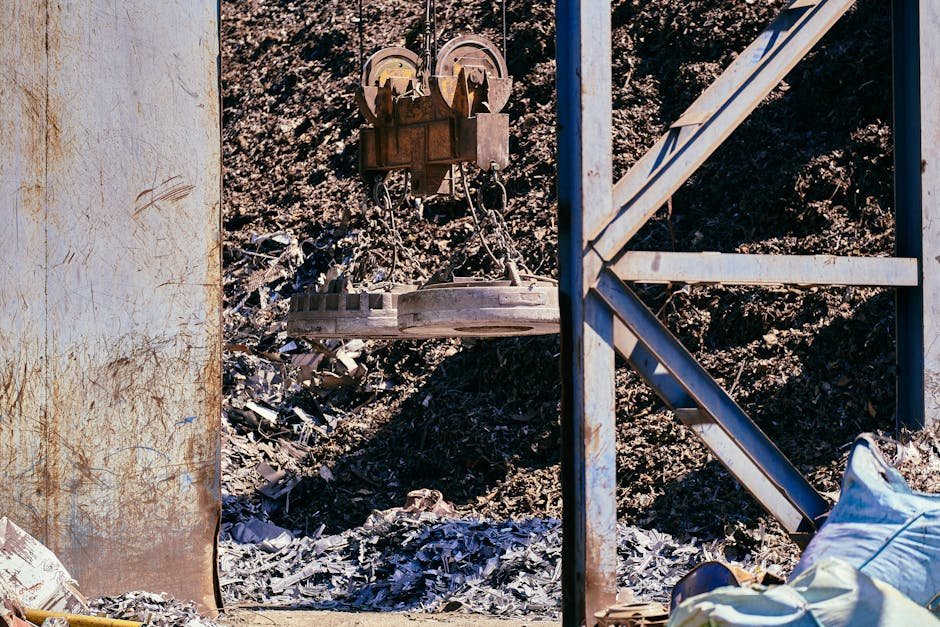

Successfully selling steel scrap in Australia is a straightforward yet nuanced process that can turn unwanted metal into cash while contributing significantly to the nation’s circular economy. As a ferrous metal, steel is one of the most commonly recycled materials on the planet, and understanding the market dynamics, preparation techniques, and regulatory requirements is key to maximising your return. This comprehensive guide will walk you through every step, from identifying different grades of scrap in your yard to finalising the sale with a licensed scrap dealer, ensuring you are fully equipped to navigate the industry with confidence.
Understanding Steel Scrap: Grades and Categories
Not all steel scrap is created equal. Its value is directly tied to its grade, which is determined by its composition, thickness, and level of preparation. The first major distinction is between carbon steel and alloy steels like stainless steel. The vast majority of scrap is carbon steel, often referred to as mild steel. This is the steel used in car bodies, whitegoods, structural beams, and reinforcing bar (rebar). Alloy steels contain additional elements like chromium or nickel to enhance properties like corrosion resistance, which can significantly alter their value. For a deep dive into the specifics of non-carbon steel, you can review our dedicated guide on Stainless Steel Scrap Price.
Within the carbon steel category, scrap is further classified into standardised grades. These grades help dealers and mills efficiently process the material. The main categories you will encounter include:
- Heavy Melting Steel (HMS 1 & 2): This is a premium grade consisting of thick, clean steel sections like girders, forged pieces, and heavy machinery parts. HMS 1 is the cleanest, with no galvanised or coated material, while HMS 2 may include some coated steel.
- Shredded Scrap: Produced by feeding light iron scrap (like car bodies) through a powerful shredder. The resulting fist-sized pieces are easy to handle and transport, making them a highly desirable feed for electric arc furnaces.
- Turnings: The coiled chips produced from machining and milling operations. They are often contaminated with oil and coolant, which can reduce their value unless properly processed.
- Light Iron / Sheet Metal: This category includes thinner gauges of steel, such as the sheet metal from household appliances, roofing, and ducting. It is often compressed into bales for efficient shipping.
Understanding these grades is the first step to getting a fair price. A load of clean, prepared HMS will always command a higher steel price per tonne than a mixed pile of unprepared light iron. For a complete breakdown of these classifications, our resource on Steel Scrap Grading 1 Prepared 2 Prepared Shredded is an essential read.
How to Prepare Your Scrap for the Best Price
Preparation is arguably the most critical factor under your control when it comes to maximising profit. A well-prepared load reduces the dealer’s processing time and costs, and they will reward this effort with a higher price. The goal is to deliver a clean, homogenous product. Follow these practical steps to ensure your scrap steel is ready for market:
- Segregation is Key: The golden rule of scrapping is to keep metals separate. Do not mix steel with copper, aluminium, or stainless steel. Even within steel, keep heavy, clean sections separate from light, dirty sheet iron. Mixed loads are automatically downgraded and paid at the lowest-value material’s rate.
- Remove Contaminants: Non-metallic materials have zero value and can even incur disposal charges. Thoroughly strip all plastic, rubber, glass, wood, and fabric from your steel items. For example, remove seats, dashboards, and tires from cars before scrapping the body. Take motors out of appliances.
- Cut and Size Appropriately: Most yards have specific size requirements to fit their shears and balers. Generally, pieces should be no larger than 4×2 feet for easy handling. Use an angle grinder or oxy torch to cut large beams, plates, or machinery into manageable pieces.
- Drain All Fluids: This is an absolute must for both environmental and safety reasons. Ensure any hydraulic oil, fuel, or coolant is fully drained from engines, gearboxes, and reservoirs. Selling oil-filled components is dangerous and will see your load rejected.
Investing time in proper preparation can easily double the value of your scrap pile. It transforms a low-grade mixed load into several high-grade, premium piles, dramatically impacting the final offer you receive.
Where to Sell Steel Scrap in Australia
Knowing where to sell your material is just as important as knowing how to prepare it. Australia has a well-established network of scrap metal yards, each with its own specialities and scales. The right choice for you depends on the volume and type of scrap you have.
- Local Scrap Metal Yards: For individuals and small businesses with a ute or trailer load, local yards are the most convenient option. They are widespread in major cities and regional centres. It’s always wise to call ahead for their current scrap steel pricing, accepted materials, and any specific preparation requirements.
- Large Recycling Corporations: For industrial generators, demolition companies, or large-scale collectors, dealing directly with major national recyclers can be advantageous. These facilities are equipped to handle massive volumes, from entire ship containers of shredded scrap to decommissioned industrial plants. They often have more sophisticated scales and analytical tools for grading.
- Online Marketplaces and Brokers: The digital age has introduced online platforms that connect sellers with buyers. A premier example is Scrap.trade, which streamlines the entire process of selling of scrap metal. These platforms can provide instant quotes, arrange logistics, and offer transparency, making them an excellent option for those looking for efficiency and the best price.
For those in specialised industries, such as those decommissioning old infrastructure, it’s worth seeking out dealers with specific expertise. For instance, our Telecom Scrap Metal Selling Guide provides tailored advice for that sector. Furthermore, for a comprehensive national view of buyers, ScrapTrade.com.au offers a directory to help you find a reputable dealer near you.
How to Get the Best Price for Your Scrap
The steel price per tonne is not a fixed number; it fluctuates daily based on global commodity markets, domestic demand, and local supply. Your goal is to navigate this volatility to your advantage. Here’s how to ensure you are getting top dollar:
- Know the Market: Steel scrap prices are tied to the health of the construction and manufacturing sectors. Before you sell, do a quick online search for current ferrous metal indexes to understand the broader market trend. Are prices rising or falling?
- Shop Around and Get Multiple Quotes: Never take the first offer. Contact several different yards or use online platforms to get competing quotes. Be precise when describing your material—its grade, approximate weight, and level of preparation. This allows for accurate comparisons.
- Weigh Your Scrap Yourself: If you have the means to get an approximate weight before you go to the yard (using a truck weighbridge, for example), you can quickly calculate if the final offer is in the right ballpark. This prevents errors and ensures transparency.
- Build a Relationship: If you generate scrap regularly, building a relationship with a specific yard or buyer can be beneficial. Consistent, high-quality loads from a reliable source are valuable to them, and they may offer you more favourable terms over time.
- Sell in Volume: Prices are often better for larger loads. If possible, accumulate your scrap until you have a significant quantity. This reduces the per-tonne handling cost for the yard, and they can pass some of that saving on to you.
Remember, the quoted price is often a starting point for negotiation, especially for large, clean loads. Your prepared knowledge and professional approach are your greatest assets in securing the best price.
Required Documentation and Legal Considerations
The scrap metal industry is highly regulated to prevent theft and illegal dumping. Whether you are a one-time seller or a commercial operation, you must be prepared to provide specific documentation. These laws vary slightly by state but generally follow the same principles.
When you arrive at a scrap yard to sell your material, you will be required to provide:
- Valid Photo Identification: A current Australian driver’s licence or passport is standard. The yard will record your details, including your name, address, and licence number. This information is often stored in a database shared with other yards and law enforcement.
- Proof of Ownership: For commercial sellers or large quantities, you may need to provide a invoice, bill of sale, or a letter of authorisation from the rightful owner. This is crucial for items like decommissioned factory equipment or vehicles.
- Vehicle Registration Details: If you are transporting the scrap in a vehicle, be prepared to provide its registration number, which will also be recorded.
- Cashless Payments: To enhance traceability, most states now mandate that payments over a certain amount (usually $100-$500) be made via electronic funds transfer (EFT) or cheque rather than cash. This creates a verifiable audit trail.
These measures are in place for everyone’s protection. They help ensure that the material being sold is legitimately obtained, making it harder for thieves to profit from metal theft. Always deal with a licensed scrap dealer who adheres to these regulations—it’s a sign of a reputable and ethical business.
The Steel Recycling Process: From Scrap to New Product
Understanding what happens to your scrap after you sell it highlights its immense value and the sophistication of the modern recycling industry. The journey from your trailer to a new steel product is a marvel of efficiency.
- Collection and Processing: Once your scrap is weighed and purchased at the yard, it is sorted, further cleaned if necessary, and compressed. Light iron is baled, and heavy scrap is sheared into chunks. It is then aggregated into large lots for shipment.
- Transport to the Mill: Major steel mills, both in Australia and overseas (particularly in Asia), are the final destination. Prepared scrap is loaded onto bulk carrier ships or trains for transport.
- Melting and Purification: At the mill, the scrap is charged into a massive furnace—typically an Electric Arc Furnace (EAF) for recycling. The EAF uses powerful electric arcs to melt the scrap at temperatures exceeding 1600°C. During this process, impurities are removed as slag, and precise alloys can be added to achieve the exact steel grade required.
- Forming and Finishing: The molten steel is cast into solid forms like billets, blooms, or slabs. These semi-finished products are then rolled, drawn, or forged into final products such as new beams, reinforcement bar, car parts, or sheet metal for appliances.
This circular process is incredibly efficient. Recycling steel uses about 75% less energy than producing new steel from iron ore. It conserves natural resources, reduces mining waste, and closes the manufacturing loop perfectly.
The Significant Environmental Benefits of Recycling Steel
Choosing to sell your steel scrap isn’t just a financial decision; it’s an environmental one. The benefits of recycling this ferrous metal are profound and wide-reaching:
- Conservation of Raw Materials: Every tonne of recycled steel conserves 1.5 tonnes of iron ore, 0.5 tonnes of coal, and 40% of the water required for virgin production. This directly reduces the environmental impact of mining.
- Massive Energy Savings: As mentioned, the energy savings from using an EAF are enormous. This significantly reduces the greenhouse gas emissions associated with steel production, helping to combat climate change.
- Reduction in Landfill Waste: Steel is durable and does not biodegrade. Diverting it from landfill saves valuable space and prevents the potential for soil and water contamination.
- Preservation of Landscapes: By reducing the need for new mining operations, steel recycling helps preserve natural landscapes and biodiversity.
By responsibly selling steel scrap, you are actively participating in a sustainable economic model that protects the environment for future generations. Your action contributes to a cleaner, greener Australia.
Conclusion: Turning Unwanted Metal into Value and Sustainability
Selling steel scrap is a win-win scenario. It provides a source of income for individuals and businesses, supplies a critical raw material to the manufacturing industry, and delivers undeniable environmental benefits. The key to a successful and profitable experience lies in knowledge: understanding the grades of scrap, investing time in proper preparation, shopping around for the best price, and partnering with a reputable, licensed dealer. By following the guidelines outlined in this comprehensive resource, you can approach the market with confidence, ensuring you receive maximum value for your material while contributing positively to Australia’s recycling ecosystem. So, sort your pile, strip those contaminants, and turn your unused steel into cash and sustainability today.
Related: scrap steel pricing
Related: selling of scrap metal
Frequently Asked Questions
What documents do I need to sell scrap steel in Australia?
You will need a valid government-issued photo ID, such as a driver’s licence or passport. For larger commercial loads, you may also need proof of ownership, like an invoice or bill of sale. Most states require payments over a small threshold to be made via EFT or cheque to ensure a transparent audit trail.
How can I get the highest price for my steel scrap?
To get the best price, thoroughly prepare your load by segregating different metals and grades, removing all contaminants (plastic, rubber, fluids), and cutting large pieces down to manageable sizes. Always get multiple quotes from different dealers, understand the current market rate, and try to sell in larger volumes to improve your negotiating power.
What’s the difference between light iron and heavy melting steel?
Light iron refers to thin, low-density steel like sheet metal from appliances, roofing, and car bodies. It is often baled for recycling. Heavy Melting Steel (HMS) is a premium grade consisting of thick, clean steel sections like girders and machinery parts. HMS commands a significantly higher price per tonne due to its density and lack of contaminants.
Is it illegal to sell scrap metal for cash in Australia?
To combat metal theft, most Australian states have implemented cashless transactions for scrap sales above a small amount (typically $100-$500). Payments must be made via electronic funds transfer (EFT) or cheque. Small, sub-threshold payments may still be made in cash, but you will always need to provide photo ID regardless of the payment method.