
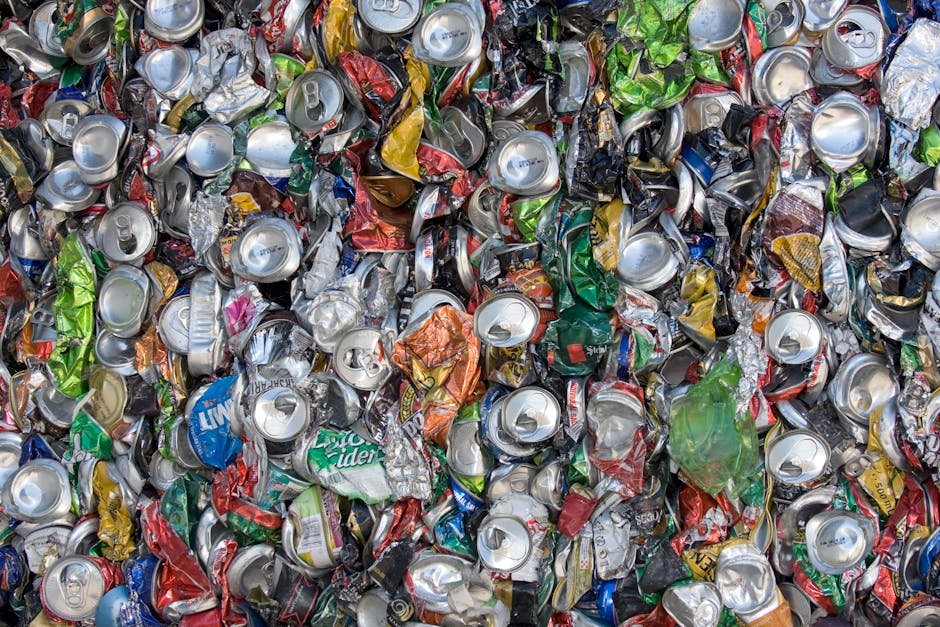

Understanding aluminium scrap metal prices is essential for builders, manufacturers, recyclers and households looking to monetise leftover aluminium. This pillar guide unpacks how the Australian market sets a price per kg, what grades attract a premium, how recycling works and why selling your scrap benefits both your wallet and the planet.
1. How Aluminium Scrap Metal Prices Are Determined
Aluminium is a globally traded commodity, so current scrap prices start with the London Metal Exchange (LME) primary aluminium contract. Buyers then apply a discount—or occasionally a premium—for scrap depending on:
- Grade and purity (clean extrusion vs. contaminated cast)
- Form (turnings, foil, cans, plate, wire)
- Quantity offered (a 20-tonne load commands a better rate per tonne than 50 kg)
- Freight distance to the nearest smelter or exporter
- USD–AUD exchange rate at the time of purchase
- Domestic demand from secondary smelters and aluminium billet producers
Most Australian yards update their Scrap Metal Prices twice daily to reflect currency moves and LME fluctuations. Because aluminium is lightweight, freight can erase profit, so sellers often Google “Scrap Metal Prices Near Me” to find competitive local yards.
Tip: Lock in a price per kg with a yard when the market spikes; some processors honour quotes for 24 h if you deliver the same day.
2. Current Market Values & Typical Price Ranges Per Kilogram
The following table shows representative Current Scrap Metal Prices for aluminium grades across Sydney, Melbourne, Brisbane and Perth as of this week:
- Clean aluminium extrusion (no steel inserts, no plastic): $1.90–$2.20 per kg
- Domestic aluminium cans (UBC, uncompressed): $1.50–$1.80 per kg
- Mixed aluminium turnings (free of cutting oil): $0.80–$1.10 per kg
- Aluminium/copper radiators (clean): $3.20–$3.60 per kg
- Aluminium 6063 profile extrusion briquettes: $2.00–$2.30 per kg
- Cast aluminium (automotive, BBQ lids): $1.20–$1.50 per kg
- Aluminium 5052 plate offcuts: $1.70–$2.00 per kg
Prices are quoted ex-yard, so deduct freight if you need a bin. To convert to price per tonne multiply by 1 000; for example, $2 per kg = $2 000 per tonne. Always ask if GST is included because some yards quote exclusive GST for commercial accounts.
For comparison, scrap metal lead prices are far heavier and trade around $2.20–$2.40 per kg, whereas scrap metal prices lead may vary by region but are less volatile than aluminium.
3. Understanding Grades of Aluminium Scrap
Grade drives value. Australian processors use the ISRI (Institute of Scrap Recycling Industries) specification plus local smelter rules. Key grades include:
- Taint/Tabor (ISRI): Clean 6063 extrusion, no paint, no anodising. Highest price.
- Tense (ISRI): Cast aluminium with up to 5% contaminants like steel inserts. Discounted.
- UBC (Used Beverage Cans): Loose or baled cans, minimum 50 kg. Lower price because of paint and moisture.
- Aluminium 5xxx/7xxx series aerospace plate: Requires mill certificate to attract a premium.
- Aluminium dross/residue: Contains only 20–40% metal, priced by recoverable units.
Before you haul material to a yard, separate it with a magnet. Aluminium is non-magnetic, so steel bolts will stick. Removing them lifts your load into a higher grade and immediately boosts the quoted price per kg.
4. Factors That Move Aluminium Price Daily
Beyond the LME cash price, watch these drivers:
- Currency: Aluminium is USD-denominated, so a falling AUD raises local AUD prices.
- Energy markets: Smelting primary aluminium consumes 14 MWh per tonne; spikes in electricity prices increase demand for scrap as a cheaper feedstock.
- Chinese import policy: When China restricts scrap imports, more material flows to SE Asia, tightening Australian supply.
- Domestic infrastructure spend: Major rail and road projects lift billet demand, pushing up scrap consumption.
- Seasonality: Can volumes spike post-Christmas and during state container-deposit drives, temporarily softening aluminium can prices.
Subscribing to a weekly market alert from scrap.trade helps you sell when conditions favour the seller.
5. How the Aluminium Recycling Process Works
Al recycling saves up to 95% of the energy required to make primary aluminium from bauxite. Here is a simplified flow:
- Collection & Sorting: Scrap is dropped at a licensed yard or picked up via bin service. Eddy-current separators isolate aluminium from mixed waste.
- Shredding & Decoating: Shredders cut extrusion or cans into palm-sized pieces. Rotary kilns burn off paint and lacquer at ~500 °C.
- Magnetic Separation: Over-band magnets pull any remaining ferrous metals.
- Heavy Media Separation: A sink-float tank using water or a zinc chloride solution separates aluminium from heavier magnesium, copper and plastics.
- Melting: Clean scrap is charged into a reverberatory furnace. Salt flux captures impurities. The molten metal is checked for chemistry and alloyed to specification.
- Casting: Molten aluminium is cast into ingots, billets or sows for automotive, building and packaging industries.
Because remelting uses 5% of the energy of primary smelting, an extra 1 tonne of scrap recycled reduces 9 tonnes of CO₂-equivalent emissions. That is why governments offer carbon credits to secondary smelters, indirectly supporting higher scrap prices when carbon prices rise.
6. Environmental & Economic Benefits of Recycling
Selling your scrap is more than a revenue play; it is a climate action:
- Every kg of recycled aluminium saves 8 kg of bauxite, 4 kg of chemicals and 14 kWh of electricity.
- Aluminium can be recycled infinitely with no loss of properties; 75% of all aluminium ever produced is still in use.
- Recycling one tonne of aluminium cans prevents 9 tonnes of CO₂ emissions, equal to taking a car off the road for 6 months.
- Local recycling keeps money in Australian communities—scrap yards employ over 10 000 people nationwide.
Businesses that integrate recycling into their ESG reporting often find buyers willing to pay a premium for “green aluminium,” further supporting aluminium scrap metal prices.
7. Practical Tips to Maximise Your Return
- Strip copper wiring from aluminium radiators to upgrade the category and price per kg.
- Keep different alloys separate; 6063 extrusion is worth double mixed cast.
- Drain all liquids from turnings to avoid the “wet” penalty (usually $0.20 per kg).
- Store scrap under cover; oxidised white corrosion adds weight but is downgraded by inspectors.
- Bundle small offcuts in 10 kg blocks using banding; yards pay more for dense, easy-to-handle lots.
- Track currency trends—if the AUD is sliding, hold material for a few days if storage is free.
- Ask for a assay printout; reputable yards use optical emission spectrometers and will show you silicon, magnesium and copper content.
If you need to compare multiple processors, use the directory at scraptrade.com.au to filter by location, accepted grades and payment terms.
8. Regulatory Considerations & Cashless Payments
Since 2018, most Australian states prohibit cash payments for scrap metal to deter theft. Expect EFT or cheque on the spot or within 24 h. You must present photo ID and, for vehicles, proof of ownership. Keep copies of dockets for five years in case the Office of Fair Trading audits the transaction.
9. Where Prices Are Headed in 2024–25
Analysts expect LME aluminium to average USD 2 400 per tonne, up 6% on 2023, driven by restocking in Europe and energy production cuts in China. A corresponding AUD of 0.64–0.66 implies Australian aluminium scrap metal prices could rise 5–7%. If the AUD weakens to 0.60, expect prices above $2.40 per kg for clean extrusion. Conversely, any easing of Chinese scrap import quotas could add regional supply and cap upside.
10. Case Study: 3-month Bin Service for a Fabricator
AluFab NSW processes 50 t of 6061 and 6063 offcuts yearly. By installing dedicated bins, separating alloy grades and selling when metal prices today spiked in May, the firm averaged $2.10 per kg instead of $1.50—an extra $30 000 annual benefit. The yard also supplied mill-certified recycling certificates, helping AluFab secure a lucrative facade contract that required 30% recycled content.
Conclusion
Whether you are a homeowner with a bag of cans or a CEO looking at circular-economy targets, understanding aluminium scrap metal prices, grades and market dynamics unlocks higher returns and measurable environmental gains. Separate your alloys, track the LME and AUD, and partner with a licensed yard that publishes transparent current scrap prices. When you are ready to sell, start by comparing Scrap Metal Prices Near Me and lock in quotes when the market swings in your favour.
Frequently Asked Questions
What is the current aluminium scrap metal price per kg in Australia?
Clean extrusion fetches $1.90–$2.20 per kg, while cans average $1.50–$1.80 per kg. Prices shift daily with the LME and the Aussie dollar; check the quick-answer box above for this week’s typical range.
Why do aluminium scrap prices change so often?
The market is tied to the global LME contract, currency moves and local demand. Energy costs, Chinese import rules and even seasonal can drives create daily swings.
Should I remove steel bolts from my scrap?
Yes, removing steel raises the grade from mixed cast to clean extrusion, lifting the price by up to 60 cents per kg and preventing downstream smelter penalties.
How can I find the best scrap yard prices near me?
Use an online directory such as Scrap Metal Prices Near Me, compare quotes, read payment terms and ensure the yard displays public weighbridge certificates.