
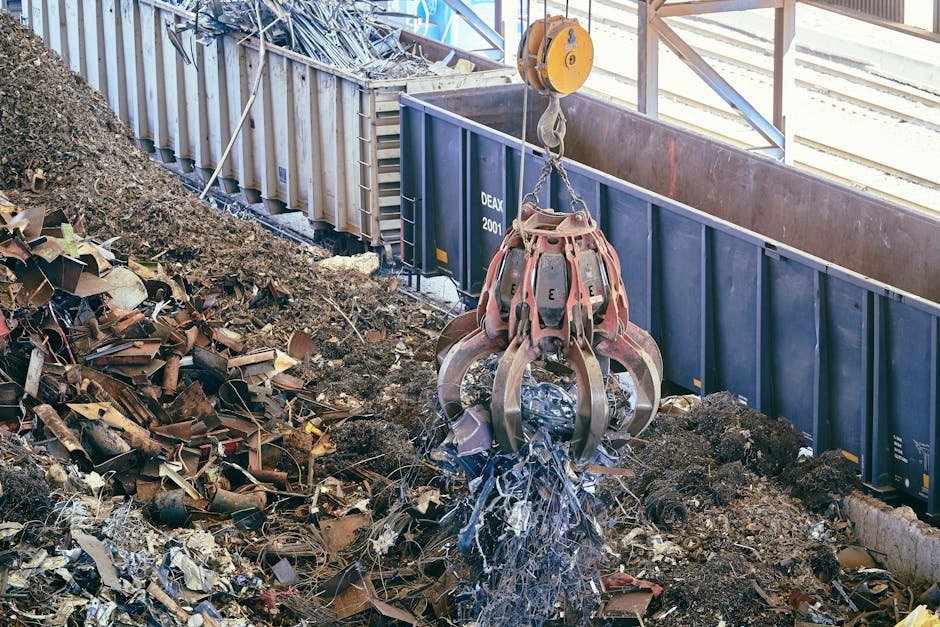

Scrap lead is one of the most traded non-ferrous metals on the Australian secondary metals market thanks to its high density, low melting point and infinite recyclability. Whether you are a plumber stripping out flashing, a recycler processing used batteries or a collector lifting wheel weights, understanding how grades are classified, priced and processed will maximise your return and protect the environment. This pillar guide explains everything you need to know about identifying, valuing and responsibly recycling scrap lead Down Under.
1. What Is Scrap Lead and Why It Matters
Lead is ubiquitous in the built environment—roofing, plumbing, radiation shielding, ammunition, weights and, above all, lead-acid batteries. Once products reach end-of-life, they become scrap lead, a globally sought-after commodity because primary lead mining is energy-intensive and environmentally invasive. Australia generates roughly 150,000 t of lead scrap annually; 85% originates from automotive, industrial and stationary batteries. The material loops back into battery manufacture, extruded sheet and radiation shielding with no loss of physical properties, making it the perfect circular-economy metal.
Before you Sell Scrap you must understand how buyers grade it. Mis-sorting mixed lead with steel or aluminium can slash payment by 40%. Conversely, presenting clean, correctly segregated loads lifts spot pricing and builds reputation with processors.
2. Australian Scrap Lead Grades Explained
Domestic yards mirror Institute of Scrap Recycling Industries (ISRI) specifications. The three most commonly traded grades are:
- ISRI ‘RADIO’ / Soft Lead Solids: Clean lead sheet, flashing, pipe free of dross, oxidation or foreign attachments. Premium price tier; typically 99.9% Pb.
- ISRI ‘RACKS’ / Hard Lead: Lead with antimony or tin (wheel weights, cable sheathing, anodes). Slightly lower price owing to alloying elements.
- ISRI ‘LOINS’ / Lead-Acid Battery Scrap: Whole batteries or drained battery plates. Price discounted for sulphuric acid content; yards must comply with Dangerous Goods (Road & Rail) transport codes.
Sub-grades include clean solder dross, lead cable parts and leaded glass residues, but the above three constitute 95% of commercial transactions. Always ask your local yard which specification sheet they follow; some will split hard lead into high-antimony (>6% Sb) and low-antimony streams, influencing the lead scrap value.
3. How Recycling Works: From Bin to Bullion
Recycling scrap lead is a closed-loop system that can turn a battery into a new battery within 45 days. The process follows five tightly controlled steps:
- Collection & Transport: Licensed transporters use sealed bins and neutralise acid with vermiculite. You can book a pick-up when you Sell Scrap via online platforms.
- Breaking & Separation (battery scrap): Batteries are shredded under a water cascade. Polypropylene floats and is pelletised; heavy lead sinks.
- Smelting: Rotary furnaces melt lead at 450°C under a soda-ash flux to remove tin/antimony. Sodium nitrate oxidises impurities; dross is skimmed.
- Refining & Alloying: Kettles adjust antimony, tin, calcium to produce specific alloys for batteries or rolled sheet.
- Ingot Casting & Re-use: 25 kg ingots are shipped to battery OEMs, radiation shield manufacturers and construction suppliers, closing the loop.
Energy consumption is 75% lower than primary production, and CO₂e emissions drop by 80%. Modern plants capture sulphur dioxide and feed it to gypsum plants, achieving near-zero waste.
4. Environmental & Safety Benefits
Lead is toxic to neurological development, so keeping it cycling rather than landfilling is imperative. Each tonne of recycled lead saves:
- 1.7 t iron ore, 1.3 t coal and 0.3 t limestone relative to primary refining.
- 3.2 t CO₂-equivalent emissions.
- 0.5 GWh electricity—enough to power 140 Australian homes for a month.
Advanced bag-house filtration captures 99.98% of particulate lead, meeting the National Environment Protection (Assessment of Site Contamination) Measure. For small collectors, best-practice safety includes:
- Wear nitrile gloves and a P2 respirator when handling battery casings.
- Never drain acid into soil; neutralise with baking soda before recycling.
- Store scrap lead in covered bins to prevent oxidised fines becoming airborne.
By following these steps you protect worker health, avoid EPA fines and strengthen Australia’s Scrap Metal Marketplace reputation.
5. Current Scrap Lead Prices & Market Drivers
Prices are quoted ex-yard in AUD per kilogram. As of June 2024 average spot ranges are:
- Clean soft lead: A$2.20–2.40 kg
- Hard lead (wheel weights): A$1.70–1.90 kg
- Battery scrap (drained): A$1.20–1.40 kg
Key drivers include London Metal Exchange (LME) three-month lead contract (currently ~US$2,150 t), AUD/USD exchange rate, container freight to Korea and domestic battery demand. In summer months smelters stockpile ahead of winter car battery replacement season, pushing price of lead scrap 5–7% higher. Conversely, during Chinese New Year, Asian smelter shutdowns can soften export premiums.
6. Practical Tips for Maximising Value
- Segregate by Grade: Keep soft lead flashing separate from wheel weights. Even 5% steel clips downgrades the entire load.
- Remove Contaminants: Strip tar, wood screws and rubber. A clean load can attract a 10–15 ¢/kg bonus.
- Bulk Up: Many yards pay tiered bonuses above 3 t. Combine loads with neighbours or list on Australian Scrap Metal Marketplace to access smelter bids directly.
- Time the Market: Track LME and Battery Council releases. If possible, hold soft lead during Q4 when battery plants restock.
- Verify Scales: Ask to see calibration certificates; reputable yards display NATA compliance.
Photograph each load and request assay certificates. This evidence strengthens negotiations and clarifies the final lead scrap value should disputes arise.
7. Navigating Regulations & Licensing
The movement of scrap lead is regulated by federal hazardous waste codes (Lead and Lead Compounds, N280), state environment protection agencies and Safe Work Australia. Businesses generating more than 100 kg of lead waste per month must:
- Record volumes on a waste tracking database (e.g., EPA NSW ‘On-line Waste Tracking’).
- Use licensed transporters and intermediate processing facilities; keep copies of receipts for four years.
- Display placards when carrying >500 kg of lead-acid batteries (UN2794).
Fines for non-compliance exceed $250,000 in Victoria. However, households disposing of small quantities (<20 kg) can deliver to council drop-off days without paperwork. Always call ahead; not all transfer stations accept Scrap.
8. How Scrap Trading Platforms Streamline Deals
Digital marketplaces aggregate buy/sell bids across states, reducing ring-around time. When you list on a portal you can upload photos, weights and location; algorithms match you with processors who quote delivered-to-smelter or ex-yard prices. Payment terms vary from cash on weigh-bridge to 7-day EFT once assays clear. For new traders unfamiliar with contracts, What Is Scrap Trade explains Incoterms, payment instruments and dispute resolution, cutting learning-curve risk. Larger generators can lock in forward contracts to hedge against LME volatility.
9. Future Outlook & Circular Economy Potential
Battery Energy Storage Systems (BESS) using lithium may dominate headlines, yet lead-acid technology still commands 70% of global battery sales due to low cost and recyclability. Australian BESS growth is projected at 12% CAGR through 2030, translating to 18,000 t of additional lead scrap. Simultaneously, emerging technologies like ultrasonic separation promise 98% recovery rates at 200°C, slashing smelting emissions. Policy support is strengthening; the federal Recycling and Waste Reduction Act 2020 mandates product stewardship, incentivising OEMs to use 80% recycled content by 2030. Traders who build capacity now—secure yard space, install weigh-bridges and attain EPA licences—will ride the wave.
Conclusion
Scrap lead is not a waste—it is a high-value, infinitely recyclable commodity that powers Australia’s battery and construction sectors. By understanding grades, keeping contaminants out, following safe handling protocols and leveraging digital trading platforms, you can turn an environmental liability into a profitable, planet-friendly enterprise. Bookmark this guide, share it with your crew, and keep the lead looping.
FAQs
- Q: What is the safest way to transport used lead-acid batteries?
A: Place batteries upright in a sealed heavy-duty bin, neutralise acid spills with baking soda, label as UN2794 and use a licensed dangerous-goods transporter. - Q: How can I get the best scrap lead price?
A: Clean and segregate soft lead, remove wheel-weight clips, combine into >3 t loads and monitor LME trends to sell during Q4 smelter restocking. - Q: Is a licence required to sell scrap lead in Australia?
A: Households may deliver small quantities to council events; businesses generating ≥100 kg per month must track waste and use licensed carriers. - Q: Does scrap lead lose properties after repeated recycling?
A: No. Lead can be recycled infinitely without performance loss, making it ideal for closed-loop battery manufacturing and radiation shielding.