

Overview
The scrap metal current price rates are a reflection of the complex interplay between global commodity markets, local supply chains, and the specific characteristics of each metal type. Understanding these rates is essential for anyone involved in buying, selling, or recycling metal in Australia.
How Scrap Metal Prices Are Determined
Scrap metal pricing is not arbitrary; it follows a structured methodology that takes into account several key components:
- Base Metal Price: The spot price of the raw metal on international exchanges (e.g., London Metal Exchange, Tokyo Commodity Exchange).
- Purity and Grade: Higher purity metals command premium rates. For example, 99.9% aluminium fetches more than 95% aluminium.
- Processing Costs: Energy, labour, and equipment expenses influence the final price.
- Logistics: Transportation distances and freight rates affect the net value delivered to the buyer.
- Market Sentiment: Speculative demand, geopolitical events, and seasonal factors can cause short-term price swings.
These factors combine to produce the price per kg or price per tonne that you see listed on trading platforms and in industry reports.
Current Scrap Metal Current Price Rates in Australia 2026
In 2026, the Australian market has seen a steady rise in scrap metal current price rates due to increased demand for renewable energy components and automotive manufacturing. Here’s a snapshot of key metals:
- Aluminium: 3.80–4.10 AUD/kg
- Steel (Low Carbon): 1.20–1.40 AUD/kg
- Copper: 12.50–13.50 AUD/kg (see current copper scrap price)
- Brass: 5.20–5.80 AUD/kg
- Lead: 1.80–2.10 AUD/kg
To stay ahead, traders often consult the Current Scrap Metal Prices portal, which aggregates real-time data from Australian and global markets.
Factors That Affect Scrap Metal Rates
While the base price sets the foundation, several dynamic factors can push rates up or down. For a detailed exploration, visit the Factors That Affect Scrap Metal Rates guide.
- Supply Chain Disruptions: Port congestion, truck shortages, and customs delays can reduce the quantity available for sale, driving up prices.
- Energy Prices: Since recycling is energy-intensive, spikes in electricity or fuel costs directly influence the net price.
- Regulatory Changes: New environmental regulations or tax incentives can alter the cost structure for recyclers.
- Technological Advances: Improved sorting and processing technologies can reduce waste and increase purity, thereby raising value.
- Macro‑Economic Indicators: Inflation, exchange rates, and interest rates impact both the cost of raw metals and the cost of production.
Grades and Types of Scrap Metal
Scrap metal is categorized by grade, each with its own market value. Understanding these grades helps sellers price accurately and buyers negotiate effectively.
- Grade A: Near‑perfect metal with minimal contaminants. Highest price per kg.
- Grade B: Slightly impure but still usable. Moderate price.
- Grade C: Heavily contaminated or mixed. Lowest price, often used for blending.
For specialized alloys, such as stainless steel 304, consult the Ss304 Scrap Price Per Kg Australia 2026 Current Market Rates Selling Guide to understand how purity levels affect pricing.
The Recycling Process: From Collection to Sale
The journey of scrap metal from curbside to finished product involves several stages:
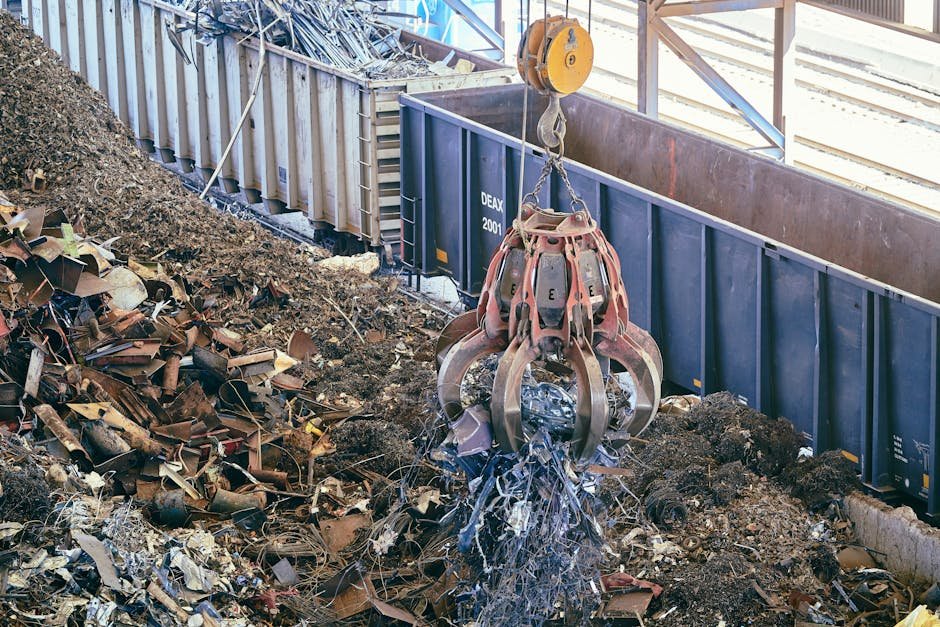
- Collection: Municipal waste programs, commercial shredders, and private collectors gather scrap.
- Sorting: Manual or automated systems separate metals by type and grade.
- Processing: Metal is melted or mechanically processed to remove impurities.
- Refining: High‑purity alloys are produced, often for use in aerospace or medical devices.
- Sale: Recyclers sell the refined metal to manufacturers or other recyclers.
Each step adds value but also cost, which is reflected in the final price per tonne presented to buyers.
Environmental Benefits of Scrap Metal Recycling
Recycling scrap metal offers profound environmental advantages:
- Energy Conservation: Recycling aluminium saves up to 95% of the energy required to produce new aluminium from bauxite.
- Reduced Carbon Footprint: Less energy consumption translates to lower greenhouse gas emissions.
- Waste Diversion: Diverting scrap from landfills reduces methane production and landfill space usage.
- Resource Efficiency: Metals are finite; recycling ensures a sustainable supply for future industries.
- Water Conservation: Recycling processes typically use less water than primary metal extraction.
By choosing to recycle, businesses and individuals contribute to a circular economy that benefits both the planet and the economy.
Practical Tips for Sellers and Buyers
Whether you’re a small collector or a large industrial buyer, these best practices can help you navigate the market:
- Stay Informed: Regularly review Current Scrap Metal Prices and global commodity news.
- Know Your Grade: Accurately classify your scrap to avoid underpricing or overpricing.
- Use Reliable Transport: Secure, insured transport reduces the risk of loss or damage during transit.
- Maintain Records: Document each transaction with receipts and quality certificates.
- Negotiate Volume Discounts: Buyers often receive better rates for larger consignments.
- Consider Off‑Peak Selling: Prices can be higher during off‑peak seasons when demand for certain metals rises.
- Leverage Technology: Mobile apps and online platforms can streamline quoting, invoicing, and logistics.
For a deeper dive into how to maximise your returns, visit our Scrap Trade portal, where you’ll find tools, calculators, and market insights tailored to Australian traders.
How to Use the Current Price of Scrap Metal Data
Understanding the current price of scrap metal is essential for making informed purchasing and selling decisions. Here’s how you can use this data:
- Benchmarking: Compare your offers against the latest market rates to ensure competitiveness.
- Forecasting: Analyze historical price trends to predict future market movements.
- Risk Management: Use price volatility data to hedge against price swings.
- Strategic Planning: Align your procurement or sales strategies with periods of high or low rates.
Remember that the market can change rapidly; real‑time data is your best ally.
Conclusion
Staying abreast of the scrap metal current price rates is critical for anyone engaged in the metal trading or recycling industry in Australia. By understanding the factors that drive pricing, mastering the classification of scrap, and leveraging the environmental benefits of recycling, traders can optimise their operations and contribute to a sustainable future.
For continuous updates and expert guidance, visit ScrapTrade Australia and keep your finger on the pulse of the market.
FAQs
- What is the average price per kilogram for scrap steel in Australia? The average price typically ranges between 1.20 and 1.40 AUD/kg, though it can fluctuate based on purity and market demand.
- How often do scrap metal price rates change? Prices can change daily or even hourly, especially during periods of high market volatility or significant supply disruptions.
- What factors cause sudden spikes in scrap metal prices? Sudden supply chain bottlenecks, energy price surges, or geopolitical events can trigger rapid price increases.
- Is recycling scrap metal profitable? Yes, especially when you maintain high purity grades, use efficient processing methods, and stay informed about market rates.
Frequently Asked Questions
What is the average price per kilogram for scrap steel in Australia?
The average price typically ranges between 1.20 and 1.40 AUD/kg, though it can fluctuate based on purity and market demand.
How often do scrap metal price rates change?
Prices can change daily or even hourly, especially during periods of high market volatility or significant supply disruptions.
What factors cause sudden spikes in scrap metal prices?
Sudden supply chain bottlenecks, energy price surges, or geopolitical events can trigger rapid price increases.
Is recycling scrap metal profitable?
Yes, especially when you maintain high purity grades, use efficient processing methods, and stay informed about market rates.