
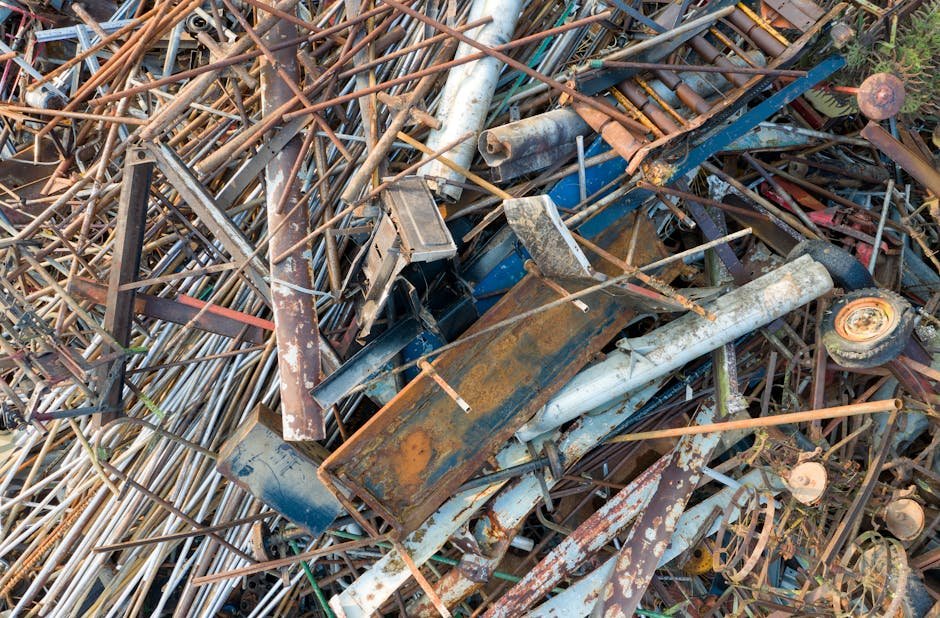

Scrap metal young streams start their second life the moment they leave your factory, farm or worksite. Australia’s $4.5 billion recycling sector depends on correctly identifying grades, stripping contaminants and routing material to the right smelter or export dock. In this authoritative guide we unpack every grade, explain how recycling actually works and quantify the environmental wins for businesses and councils who handle scrap metal young the right way.
1. Why Scrap Metal Young Matters to the Australian Economy
Every tonne of steel that bypasses the blast furnace and enters the electric-arc route saves 1.1 t of CO₂-e. Multiply that by the 5.4 Mt of ferrous scrap exported from Australian ports in 2023 and you have a carbon prize larger than the entire domestic aviation fleet. Non-ferrous numbers are even starker: recycled aluminium uses 5 % of the energy required for virgin production, a saving that underpins the global competitiveness of local casthouses in Tomago and Geelong.
For regional towns such as scrap metal young collection hubs in the Riverina, this translates into steady cashflow. Clean, well-sorted material commands a premium because traders can ship direct to smelters without costly re-handling in Sydney or Melbourne. If you want to Sell Scrap Metal Near Me In 2026, understanding these economic levers is the fastest way to turn bins into bankable revenue.
2. Grades of Scrap Metal Young: Ferrous
Steel and iron grades are set by the Australian Steel Institute and mirrored by the ISRI specifications used by port inspectors. You will hear them called “young” when they come straight from fabrication off-cuts rather than demolition or end-of-life products.
- 1 HMS (Heavy Melting Steel): Thickness ≥ 6 mm, length ≤ 1.5 m, no galvanised coating. Young 1 HMS is the skeleton of a fabrication shop’s drop-offs, free of rebar tie wire.
- 1 Busheling: Clean new production punchings, oil-free and < 0.3 % metallic yield loss. Mills pay top Scrap Metal Prices for this grade because it dilutes residual copper in the melt.
- Shredded fragment (SG 211): Post-shredder, post-magnetism, 50 mm minus. Density > 0.9 t m⁻³ guarantees fast furnace charging.
- Turnings (ST 17): Must be dry, free of borings and sodium-based cutting oil. Swarf centrifuges on-site improve value by 18–22 %.
Practical tip: keep your ferrous fractions in separate roll-off bins from day one. The extra bin cost is repaid within two collections because traders do not need to down-grade the load to mixed HMS/grade 2.
3. Grades of Scrap Metal Young: Non-Ferrous
Copper, aluminium, nickel, brass and zinc trade on LME or LMEX contracts and are highly sensitive to contamination. Young scrap here means single-alloy, post-production off-cuts, not mixed post-consumer.
- Candy / Bare Bright Copper Wire: 99.9 % Cu, 16 mm diameter and above, uncoated. Even one spot of solder downgrades to #2 copper.
- Aluminium 6063 Extrusion: Mill finish, no anodic film. Bundles < 250 kg each maximise export container payload.
- Al/Cu Radiators (clean): After de-tanking, 1 % max oil residue. Young scrap yards in Young NSW shear the ends, strip the headers and sell direct to copper refineries.
- Nickel-catalysed stainless 316 turnings: Must be free of 400-series magnetic particles. Hand-held XRF guns sort in seconds.
Contaminated non-ferrous loses up to 30 % value. If you operate near Sydney’s southwest, check scrap metal revesby facilities for dedicated copper or aluminium cleanliness lines that run optical sorters and eddy-current rigs.
4. How Scrap Metal Young Is Recycled: From Bin to Bloom
Recycling is not a single process; it is a supply chain with six tightly linked stages:
- Collection & Weighing: Material is weighed on certified public weighbridges. RFID tags link the container to your profile in the ScrapTrade platform so you can track tonnage and settlement history.
- Sorting & Downstream Audits: Hand-picking, magnets, shaker tables and AI vision systems separate alloys. Young scrap moves faster through this stage because contamination is predictable.
- Size Reduction: Shears for HMS, guillotines for extrusions, hammer mills for shreddable feedstock. Dust suppression uses recycled rainwater to keep neighbours happy.
- De-coating & De-oiling: Aluminium UBCs pass through 450 °C delacquering kilns; copper wire goes through a wet-chopping line that granulates and vibrates out PVC.
- Smelting or Melting: Electric arc furnaces for steel; reverbatory or rotary furnaces for aluminium; shaft furnaces for brass. Fluxes and carbon injectors refine chemistry to specification.
- Casting & Rolling: Molten metal is cast into billets, slabs or wire rod and rolled back into the very products that will become tomorrow’s young scrap.
Each stage is energy-positive when feedstock is correctly graded. For example, every kg of tin-plated steel that enters a basic oxygen furnace adds 0.25 kg of iron units without extra coke.
5. Environmental Benefits of Keeping Scrap Metal Young
Landfill levy in NSW now exceeds $145 t. Diverting one tonne of mixed metal from landfill avoids that cost plus generates carbon credits under the Emissions Reduction Fund. The headline numbers are:
- 1.8 t CO₂-e avoided per tonne of recycled steel
- 10 t CO₂-e avoided per tonne of recycled aluminium
- 9 GJ energy saved per tonne of copper (equal to 2500 kWh)
- Water savings: 35 000 L per tonne Al, 1800 L per tonne steel
Local councils in regional NSW that back-hauled 3000 t of scrap metal young from their transfer stations last year saved 5400 t CO₂-e—enough to offset the diesel from 2500 kerbside collection trucks.
Additionally, recycling slashes the need for open-cut mines. Bauxite mining in Queensland’s Darling Range consumes 120 m² of vegetation per tonne of alumina. Recycled aluminium bypasses that habitat loss entirely.
6. Practical Tips for Producers Who Want Top Dollar
Sorting at source is the single biggest lever you control. Follow these field-tested rules:
- Keep a low-profile magnet on your forklift. If it sticks, drop it in the steel bin. If not, sort further.
- Cut copper with a tubing cutter, not an angle grinder. Soldered elbows stay in the lower grade bucket, clean tube goes to Bare Bright.
- Store aluminium under cover. Oxidised white corrosion is technically clean but buyers shave 3–5 ¢ kg⁻¹ off for visual downgrade.
- Drain radiators overnight, then run a hair-dryer through the tanks for five minutes. Oil drops to < 0.1 % and you jump from “dirty” to “clean” rates.
- Document everything. Photos of each bin before pick-up plus weighbridge dockets create a verifiable audit trail that underpins repeat ScrapTrade.com.au contracts.
Finally, time your sale. Copper prices spike when Chinese smelters restock ahead of October golden week; aluminium softens in February when automotive plants idle. Track prices scrap metal daily or subscribe to SMS alerts from your local dealer.
7. Regional Spotlight: Young, NSW—A Microcosm of the National Trade
Young sits at the intersection of the Hilltops agricultural belt and the interstate rail spur to Port Kembla. The town’s scrap metal young ecosystem includes two transfer stations, an auto-recycler with a 4000 hp shredder and half-a-dozen cotton farms that generate silo strapping and worn-out irrigation pipe. Because the rail siding accepts block trains, local dealers can load 65-wagon consignments direct to the steelworks, shaving $18 t in road freight. For producers in surrounding postcodes this means gate prices that rival metropolitan Sydney.
If you are a farmer or contractor in the South West Slopes, search Scrap Metal Recycling Near Me and filter for facilities with rail loading and shear/baler capability to maximise returns.
8. Advanced Processing Technologies to Watch
Hyperspectral cameras now distinguish 6063 from 6061 aluminium at belt speeds of 3 m s⁻¹. X-ray transmission (XRT) machines separate zinc from high-copper brass fractions based on atomic density, adding 4 ¢ kg⁻¹ to the brass honey. Stainless 316 versus 304 is sorted with LIBS (laser-induced breakdown spectroscopy) in under 20 ms, allowing processors to guarantee Ni > 10 % to buyers in South Korea.
Investing in such kit is capital-intensive—an XRT line runs $2.4 m installed—but payback is < 30 months when throughput exceeds 30 000 t y⁻¹ and nickel prices sit above US$18 000 t.
9. Regulatory Landscape: What the Code Changes in 2025 Mean for You
The NSW EPA is tightening the Cleanaway Regulation from 1 July 2025. Key shifts:
- Fire suppression foam must be PFAS-free for all new licences
- Fugitive dust now has a 250 µg m⁻³ 24-hour limit (was 350)
- Metal shredders must enclose conveyor transfer points within 18 months
Producers who deliver to compliant facilities avoid the pass-through cost of retrofit levies. Ask your recycler for their EPA licence number and a copy of their environmental monitoring data. Reputable yards publish monthly summaries on their website.
10. Common Mistakes That Cost You Money
Even seasoned trades fall into these traps:
- Overloading bins past the rail line: Rail operators reject overweight gondolas and you pay $250 demurrage.
- Mixing lead wheel weights with HMS: One lead piece can trigger an entire 30 t load rejection under the Trans-Pacific Heavy Metals Protocol.
- Storing scrap metal young outdoors on dirt: After rain, 5 % soil adhesion adds 200 kg dead weight to a 4 t bin, yet you are paid on net metal weight.
- Using silicon-bronze filler rods on structural steel: The 3 % Si residue downgrades otherwise clean steel to rebar grade, costing $45 t.
Avoiding these pitfalls is straightforward: train staff, invest in covered concrete pads and audit loads before they leave site.
11. Future Outlook: Green Steel, Scrap Metal Young and Australia’s Net-Zero 2050
BlueScope and Liberty have committed to green steel pathways using up to 90 % recycled charge. Hydrogen-based DRI still needs 20–30 % steel scrap as coolant to control the bath temperature. This guarantees long-term demand for scrap metal young streams. Meanwhile, the federal Carbon Border Adjustment Mechanism (CBAM) discussion paper proposes a US-equivalent tariff on embedded carbon, making local recycled content even more valuable.
Forward contracts for 2030 already price in a 15 % premium for scrap with certified low-carbon provenance. Early movers who install RFID traceability and low-carbon certification will lock in higher margins for the next decade.
Conclusion
Handling scrap metal young correctly—whether you run a fab shop in Wollongong, a dairy farm near Young or an HVAC company in Perth—has direct economic and environmental upside. Know your grades, separate at source, partner with compliant recyclers and time your sales to market peaks. Doing so keeps valuable metal in the loop, slashes carbon emissions and puts more money back into your business. Start today by checking local facilities, comparing latest prices and booking your next pick-up.
Frequently Asked Questions
What is the difference between 1 HMS and 2 HMS in scrap metal young?
1 HMS must be ≥ 6 mm thick and under 1.5 m long with no galvanised coating. 2 HMS is thinner or longer and may include light gauge material, so it prices $20–30 lower per tonne.
How can I maximise the price for my scrap aluminium extrusion?
Keep it dry, remove screws and steel inserts, cut to < 750 mm and bundle with steel straps. Clean 6063 bundles regularly sell for 10–12 % above mixed secondary aluminium ingot prices.
Is scrap metal young recycling profitable for small farms?
Yes. Even 200 kg of irrigation pipe each quarter returns cash and avoids landfill levies. Aggregating loads with neighbours often triggers free freight within 100 km of Young NSW.
Which Australian standard governs scrap metal grading?
AS 1548–2021 covers ferrous grades; non-ferrous follows ISRI Circulars. Processors also reference ISO 21646 for radioactivity thresholds when exporting.