
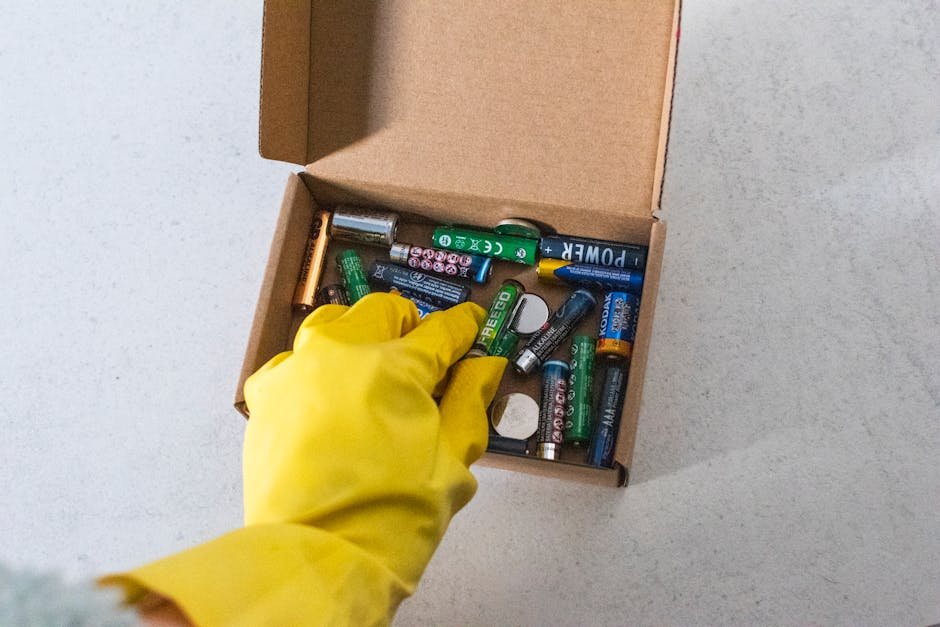

If you want to turn spent cells into cash, understanding scrap battery prices sydney is the first step. This definitive guide covers live pricing, grading, recycling science and environmental upside so you can sell smarter, comply with EPA rules and maximise returns.
1. Current Scrap Battery Prices Sydney & How They’re Quoted
Traders along Sydney’s recycling belt—from Blacktown to Silverwater—quote price per kg or price per tonne for lead acid battery scrap. The June 2024 average sits at:
- Automotive lead acid battery: $0.35–$0.65 kg (equates to $350–$650 tonne)
- Stand-by deep-cycle batteries: $0.30–$0.55 kg
- Absorbent Glass-Mat (AGM) batteries: $0.40–$0.70 kg
- Lithium-ion hybrid packs: $1.80–$3.20 kg (requires specialist discharge)
These Scrap Prices move in lock-step with the London Metal Exchange (LME) three-month lead contract plus a local premium that covers freight, smelter tolling and Sydney metro labour costs. Dealers update quotes twice daily to reflect volatility; always confirm Scrap Metal Prices before booking a drop-off.
Pro tip: Delivering in bulk (5 t plus) lifts the per-kg rate by 8–12 % because recyclers save on handling. If you’re sitting on smaller quantities, team up with neighbouring workshops and tender as a single lot.
2. What Drives Daily Price Changes?
Four fundamentals dictate today’s metal prices today for battery scrap:
- Lead London benchmark: Every US$100 move in LME lead shifts the Sydney price ≈3 ¢/kg.
- USD/AUD exchange rate: Lead trades in USD; a weaker AUD inflates local returns.
- Smelter capacity When Korea Zinc or Nyrstar take maintenance downtime, lead concentrate tightens and recyclers pay more for secondary units.
- Environmental compliance costs: NSW EPA raised the levy on hazardous waste to $165 tonne in July 2023; recyclers pass part of this on.
Watch these variables via the scrap battery prices portal that graphs 90-day spot history against the LME so you can time sales.
3. Grades of Scrap Batteries: How to Classify Before You Sell
Recyclers split incoming batteries into four grades; mis-classification can cost >20 % in value.
- Grade A: Whole, drained, uncracked automotive units with positive and negative terminals intact. Highest price per kg.
- Grade B: Cracked or missing caps but no electrolyte leakage. Trades at a 5–7 % discount to Grade A.
- Grade C: Ruptured cases, acid spill or corrosion on lead plates. Requires decontamination surcharge.
- ISRI “RINK”: Industrial cells >50 kg from telecom or UPS; priced separately because of thicker lead grids.
Remove steel hold-downs and external plastic before weighing; recyclers deduct 2 kg for every metal bracket they must shear off, lowering your payable weight.
4. Inside Battery Recycling: From Drop-off to Secondary Lead
Once your car battery scrap arrives at a licensed facility such as Scrap.Trade partner yards, the process follows ISO 14001 protocols:
- Inspection & weighing: Haz-chem staff photograph each load and upload weight dockets.
- Drill & drain: Acid is extracted, neutralised with lime slurry and converted to gypsum for cement kilns.
- Crushing & separation: Hammer mill shatters plastic case; polypropylene floats while lead-bearing fractions sink.
- Lead smelting: Grid metal, lead plates and paste go into a rotary furnace at 1,200 °C, producing 99.97 % pure lead bullion.
- Refining & alloying: Silver, copper and antimony are adjusted to spec for new batteries or radiation shielding.
- Plastics re-use: Clean PP pellets head to manufacturers for new battery cases, closing the loop.
The entire cycle takes <48 hours and yields 95 % material recovery, far higher than mined ore.
5. Environmental & Economic Benefits of Battery Recycling
Battery recycling keeps toxic sulphuric acid and heavy metals out of landfill, preventing soil acidification and groundwater poisoning. A 15 kg car battery contains 8–9 kg of recoverable lead; recycling saves 1.3 t of CO₂ compared with primary mining and smelting. Sydney’s EPA data show 3,200 t of spent batteries were diverted in 2023, enough to manufacture 1.8 million replacement units locally. Besides the green upside, sellers pocket over $2 million in aggregate trade value—proof that circular economy thinking pays.
Businesses with >200 kg of hazardous waste per month must use licensed transporters; check the ScrapTrade.com.au directory for EPA-approved pick-up zones and digital waste-tracking codes.
6. Where to Sell in Sydney & How to Get the Best Rate
Major yards within 40 km of the CBD advertising transparent scrap metal sydney prices include:
- Scrap Metal Sydney (St Marys): instant EFT, accepts mixed lots.
- All Sydney Metal (Silverwater): roll-on bins supplied for 3 t plus.
- Sims Metal (Port Botany): export-linked, high throughput.
- Resource Recovery Australia (Seven Hills): community-focused, social enterprise.
Negotiation checklist:
- Phone ahead and lock the current scrap prices; ask for a written “price hold” valid 24 h.
- Batch similar grades together; contamination downgrades entire loads.
- Bring photo ID; NSW law requires a seller declaration for >100 kg of prescribed waste.
- Request a weighbridge ticket printed with tare and gross; cross-check on your phone calculator.
7. Storing & Transporting Spent Batteries Legally
NSW EPA classifies lead acid batteries as “Category C” hazardous waste. Businesses must:
- Store on bunded pallets under cover; maximum stack height is two pallets to prevent acid leaks.
- Use Class 8 dangerous-goods signage and keep Safety Data Sheets accessible.
- Transport in UN-approved drums or secured stillage; drivers must carry a valid dangerous-goods licence for >500 kg loads.
- Record movements in the EPA’s on-line waste-tracking system; recyclers lodge the consignment number before accepting freight.
Householders may drop off up to 20 kg free at Community Recycling Centres—check the Scrap Metal Prices Near Me map for locations and opening hours.
8. Future Outlook: Lithium-ion vs Lead Acid Markets
While lead acid units dominate the current scrap battery prices sydney conversation, lithium-ion penetration is accelerating. Analysts forecast a 14 % compound annual growth in hybrid and EV batteries reaching end-of-life by 2030, creating new recovery streams. Because cobalt and nickel values exceed lead, expect lithium packs to trade at a premium, but also require specialised discharge rigs and thermal-management bunkers. Forward-thinking yards are investing in automated sorting lines that use X-ray fluorescence to segregate chemistries, ensuring you receive maximum value whatever the chemistry mix.
Conclusion: Maximise Value, Minimise Risk
Staying informed about scrap battery prices sydney is more than watching a commodity ticker. Grade your load correctly, track LME lead, partner with licensed recyclers and you’ll capture top dollar while keeping toxins out of landfill. Bookmark the Scrap Prices dashboard for real-time updates and next time you search “scrap battery prices sydney”, you’ll already know the fair deal before you leave the workshop.
Related: scrap metal sydney prices
Frequently Asked Questions
What is the current scrap battery price per kg in Sydney?
Lead acid car batteries trade at $0.35–$0.65 per kg in Sydney as of June 2024; rates move with LME lead and USD/AUD exchange.
How do recyclers grade scrap batteries?
Batteries are split into Grade A (intact), Grade B (cracked case), Grade C (leaking) and ISRI ‘RINK’ industrial; higher grades earn 5–12 % more per kg.
Can I transport more than 500 kg of batteries myself?
No. NSW requires a dangerous-goods licence and EPA waste-tracking code for 500 kg+; licensed carriers provide drums and documentation.
Are lithium hybrid batteries worth more than lead acid?
Yes. Lithium-ion packs fetch $1.80–$3.20 kg due to cobalt/nickel content, but they need specialist discharge and thermal bunkers for safe recycling.