

Understanding Wagga Scrap Metals and Their Value
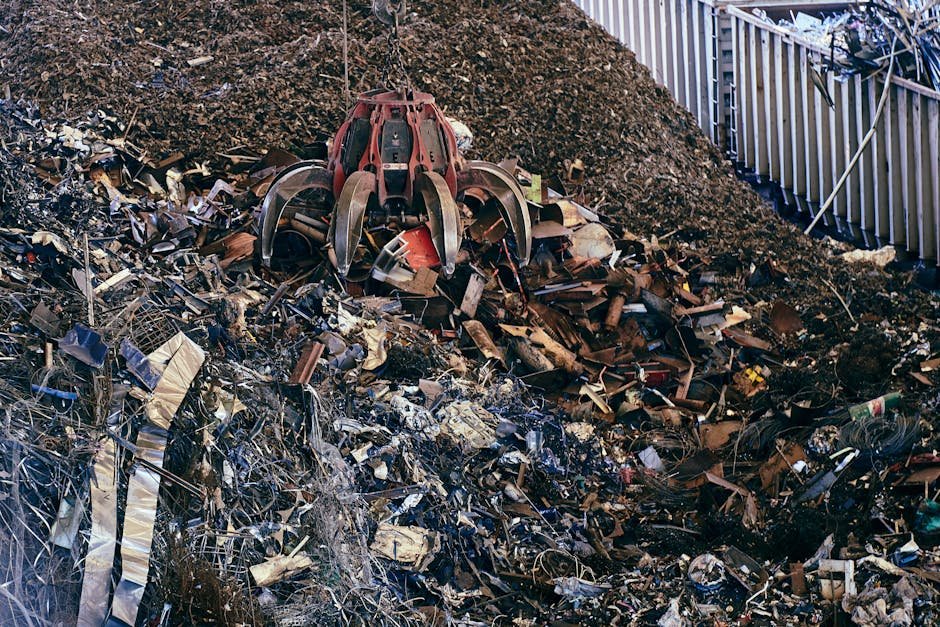
Wagga scrap metals refer to discarded metal materials generated from households, construction projects, and industrial operations across Wagga Wagga, NSW. These metals are sorted into categories such as ferrous (iron-based) and non-ferrous (like copper, aluminum, and brass) based on composition and resale value. Proper classification ensures maximum return for sellers and efficient processing for recyclers. Recycling wagga scrap metals reduces landfill use, conserves natural resources, and lowers greenhouse gas emissions associated with virgin metal production.
Local residents and businesses can contribute to a greener future by responsibly managing their metal waste. Whether it’s old appliances, vehicle parts, or building materials, nearly all metal items can be recycled. For those looking to get started, understanding what is scrap trade helps clarify how metal回收 (recycling) operates as a formal industry with pricing models, logistics, and regulatory compliance.
How to Sell Your Wagga Scrap Metals Efficiently
If you’re sitting on unused metal, turning it into cash is easier than ever. The process begins with sorting and cleaning your materials to increase their market value. Once prepared, you can transport your wagga scrap metals to a local buyer or schedule a pickup. For a seamless experience, visit I Buy Scrap: How To Sell Your Scrap Metals Efficiently to learn best practices for pricing, documentation, and transport.
Using platforms like Scrap.trade connects sellers directly with verified recyclers, ensuring fair pricing and transparent transactions. These digital tools simplify the selling journey, especially for first-timers. Additionally, learning what scrap trade actually is demystifies the supply chain, helping you understand how your contribution fits into a larger circular economy.
Local Collection and Recycling Services in Wagga Wagga
Finding reliable scrap collection Wagga Wagga services is key to efficient recycling. Many companies offer scheduled pickups, weight-based pricing, and on-site assessments for large-scale operations. Whether you’re a contractor clearing a demolition site or a homeowner renovating, these services make disposing of wagga scrap metals convenient and profitable.
While Wagga Wagga has strong local options, those interested in broader market trends can explore scrap metals Sydney to compare regional pricing and demand. This insight helps maximize returns, especially for high-value non-ferrous metals. For national-level trading and industry news, ScrapTrade Australia provides updates on regulations, innovations, and market shifts.
Recycling wagga scrap metals isn’t just about profit—it’s a community effort. By participating, you help reduce environmental harm, support local jobs, and promote sustainable manufacturing. With the right knowledge and tools, anyone can become an active player in the scrap metal economy.
- Sort metals by type to increase value
- Clean materials before selling
- Use certified platforms like Scrap.trade
- Schedule pickups for large volumes
- Stay informed on market prices
Frequently Asked Questions
What are wagga scrap metals?
Wagga scrap metals are recyclable metal materials collected in Wagga Wagga, including iron, steel, aluminum, and copper from homes, businesses, and construction sites. These metals are processed and reused to support sustainability and reduce environmental impact.
Where can I sell scrap metal in Wagga Wagga?
You can sell scrap metal through local recycling centers or online platforms like Scrap.trade, which connects you with certified buyers. For pickup services, search for scrap collection Wagga Wagga to find nearby options.
How is scrap metal priced?
Scrap metal prices depend on type, weight, purity, and global market demand. Ferrous metals like steel are typically cheaper than non-ferrous metals such as copper or aluminum. Prices can fluctuate daily, so checking current rates is recommended.
Why should I recycle wagga scrap metals?
Recycling wagga scrap metals conserves natural resources, reduces landfill waste, and lowers energy consumption in manufacturing. It also supports the local economy by creating jobs and generating revenue for individuals and businesses.