
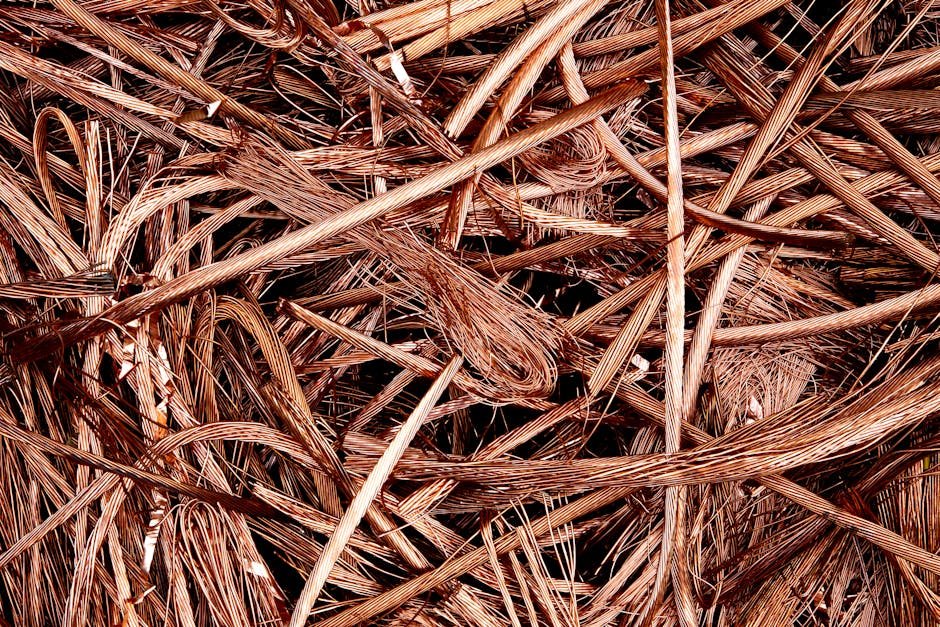

The scrap price of copper today is influenced by a combination of global supply chains, industrial demand, and the purity of the material. For Australian scrap metal traders, understanding these dynamics is essential to secure the best return on copper scrap, whether it comes from electrical wiring, plumbing, or industrial machinery.
Overview of Copper as a Scrap Metal
Copper remains one of the most valuable metals in the recycling industry due to its high conductivity, corrosion resistance, and widespread use in electrical, plumbing, and construction applications. In Australia, copper scrap can be sourced from a variety of products: copper wire, copper pipe, bare bright copper, and even number 2 copper used in large industrial settings. Because copper is a non-ferrous metal, it does not rust, which keeps its value high over time.
Recycling copper reduces the need for mining and lowers energy consumption by up to 90%, making it one of the most environmentally friendly metals to recycle. For businesses and households looking to dispose of copper waste, the current market value per kilogram can fluctuate daily, so staying informed is key.
How Copper Prices Are Set
The scrap price of copper today is determined by several interrelated factors:
- Global Market Prices: Copper futures on the London Metal Exchange (LME) set a baseline. When global copper prices rise, Australian scrap prices typically follow suit.
- Purity and Grade: Copper is graded by its copper content. Bare bright copper, for instance, can command up to 10% higher prices than lower-grade scrap.
- Supply and Demand: Seasonal demand spikes—such as during construction booms or electrical infrastructure upgrades—can push prices up.
- Logistics and Transport Costs: Shipping copper to processing facilities incurs fuel and labor costs that are factored into the final price.
- Regulatory and Environmental Policies: Australian government incentives for recycling can increase demand for scrap copper.
When you read an article about copper scrap price today, you’ll often see that the numbers reflect a combination of these factors, adjusted for local market conditions.
Current Market Trends and Daily Pricing
The scrap price of copper today can vary by as much as 15% from one day to the next. In recent weeks, Australian copper prices have hovered around AUD $5.00 per kilogram for high-grade scrap, while lower-grade or mixed scrap averages around AUD $3.50 per kilogram.
Key trends influencing today’s prices include:
- Electronics Manufacturing: The demand for copper in smartphones and electric vehicles is rising, driving up prices.
- Infrastructure Projects: Large-scale road and rail projects require copper for signaling and wiring.
- Global Supply Chain Disruptions: Shipping delays and port congestion can limit the availability of copper scrap, temporarily inflating prices.
For the most accurate and up‑to‑date figures, visit scrap copper price today and check the latest market reports.
Grades of Scrap Copper and Their Value
Not all copper scrap is created equal. Here’s a quick guide to the common grades and their typical market values:
- Bare Bright Copper: 99.5% pure, highest value, often used in electrical wiring.
- Number 2 Copper: 90–95% pure, used in plumbing and HVAC systems.
- Mixed Copper: Contains other metals or insulation, lower purity, priced lower.
- Copper Wire & Pipe: Specific forms that may require additional processing but still fetch premium prices.
When sorting your scrap, identify the grade to maximize returns. For example, a bundle of bare bright copper can fetch up to AUD $6.00 per kilogram, whereas number 2 copper might sell for around AUD $4.50 per kilogram.
The Recycling Process and Environmental Benefits
Recycling copper is a straightforward process that delivers significant environmental gains:
- Collection & Sorting: Scrap is gathered from residential, commercial, and industrial sources and sorted by grade.
- Melting: Copper is melted in a furnace at around 1,085°C (1,984°F). The energy required is roughly 1% of that needed for mining new copper.
- Refining: Impurities are removed to produce high‑purity copper suitable for re‑use.
- Forming: The refined copper is cast into bars or rolled into sheets for new products.
By recycling copper, Australia saves approximately 1.5 million tonnes of CO₂ emissions annually and reduces the need for copper mining, which is a highly energy‑intensive process.
Practical Tips for Selling Copper Scrap
If you’re looking to sell copper scrap at the best price, consider the following steps:
- Clean the Scrap: Remove any insulation, paint, or other contaminants to increase purity.
- Weigh Your Scrap: Use a reliable scale; most buyers pay per kilogram.
- Check Current Prices: Reference Scrap Trade for the latest scrap copper price today and compare with other local buyers.
- Use a Reputable Buyer: Search for Scrap Copper Near Me Where To Sell Copper Scrap For The Best Price to find a trusted local dealer.
- Ask About Premiums: Some buyers offer premiums for high‑grade copper or bulk volumes.
- Inspect the Facility: Ensure the buyer follows Australian safety and environmental regulations.
For larger operations, joining a Copper Scrap Group can provide networking opportunities and bulk pricing advantages.
Related Metals and Market Insight
Copper does not exist in isolation. When evaluating market conditions, consider how other metals interact:
- Stainless Steel Scrap Price: Often sold alongside copper; fluctuations can influence overall scrap market demand.
- Aluminium and Lead: These metals have distinct recycling streams but can affect transport logistics.
Understanding the broader metal market helps you anticipate price shifts. For instance, a rise in Stainless Steel Scrap Price might indicate increased construction activity, which can also boost copper demand.
Conclusion
Staying informed about the scrap price of copper today is essential for maximizing profit and contributing to a sustainable future. By understanding how prices are set, identifying copper grades, and following best practices for selling and recycling, you can ensure you receive the best value for your copper scrap.
For more resources on metal recycling and pricing, visit ScrapTrade Australia and explore our comprehensive guides on copper and other non‑ferrous metals.
Frequently Asked Questions
What factors influence the scrap price of copper today?
The scrap price of copper today is influenced by global market prices, copper purity, supply and demand dynamics, logistics costs, and regulatory incentives for recycling.
How can I determine the grade of my copper scrap?
Identify the copper content and form: bare bright copper is 99.5% pure, number 2 copper ranges 90–95%, and mixed scrap contains other metals or insulation. Proper grading maximises value.
What are the environmental benefits of recycling copper?
Recycling copper saves up to 90% of the energy required for new copper production, reduces CO₂ emissions by about 1.5 million tonnes annually, and lessens the need for environmentally damaging mining.
Where can I find the most accurate scrap copper price today?
Check reputable sources such as Scrap Trade’s daily pricing pages, local scrap dealers, and industry reports. Always compare multiple buyers to ensure you receive the best rate.