
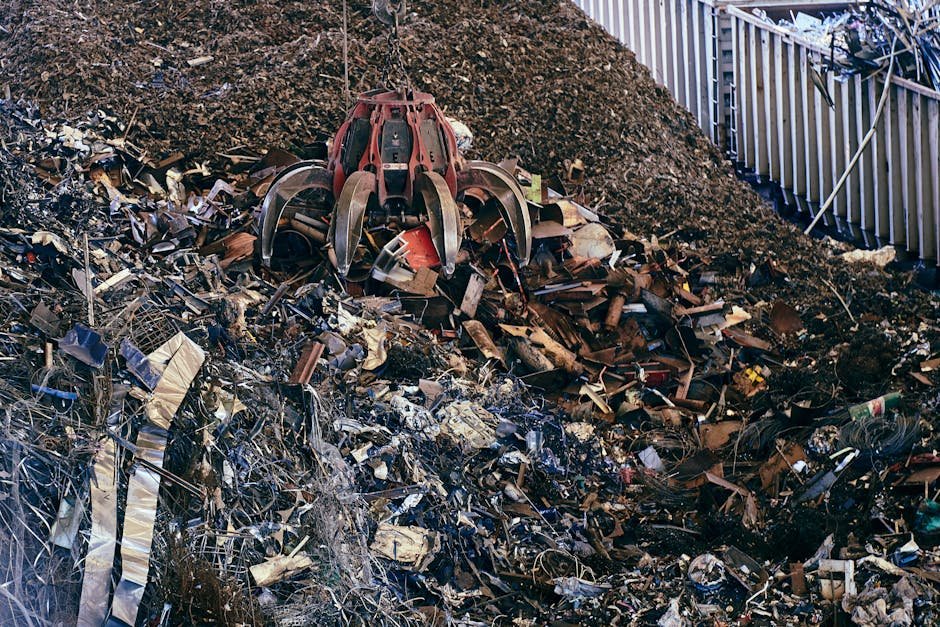

If you’re looking for scrap vendors near me, you need to understand the local market, the grading system, and how to choose a reputable dealer that offers local pickup and competitive prices.
1. Overview of the Australian Scrap Metal Industry
Australia’s scrap metal market is a cornerstone of the country’s manufacturing and environmental strategy. With a robust network of local scrap yards, nearby recyclers, and specialised dealers, the industry supports everything from construction to consumer electronics. The sector is regulated by strict environmental and safety standards, ensuring that both the workers and the surrounding communities benefit from responsible recycling practices.
Scrap metal is not a single commodity; it is divided into grades, each with its own market value. Understanding these grades helps you price your materials accurately and negotiate fair deals with local vendors. The most common categories include ferrous metals (steel and iron) and non‑ferrous metals (aluminium, copper, brass, and zinc). Each grade is identified by a specific colour code or tag, making it easier for vendors to sort and process the material efficiently.
2. How to Find the Best Scrap Vendors Near Me
The first step is to identify reputable local scrap yards or closest dealer in your area. Start by searching online directories such as What Is Scrap Trade and Sell Scrap. These platforms provide comprehensive listings of licensed dealers, their contact details, and customer reviews.
When you call a vendor, ask about their local pickup services. A reliable dealer will offer flexible pickup times and clear pricing for each material type. It’s also useful to inquire about their payment terms – many local scrap yards offer instant cash or credit on the spot, while others may require a bank transfer after processing.
Another valuable tip is to network with local builders and contractors. They often have established relationships with scrap sellers and can recommend the most dependable scrap building facilities. By building a local network, you’ll gain access to insider knowledge about price fluctuations and vendor reliability.
3. Understanding Scrap Grades and Pricing
Scrap grades determine the price you receive. The grading system is based on the metal’s purity, size, and condition. Here’s a quick reference:
- Ferrous Metals – Steel and iron are graded by colour (e.g., yellow for high carbon steel). Prices are lower because they contain iron, which is abundant.
- Non‑Ferrous Metals – Copper, aluminium, brass, and zinc are graded by purity. Higher purity means higher value.
- Specialty Metals – Materials like brass, bronze, or stainless steel have unique grades and can command premium prices.
When you bring material to a vendor, they will weigh it and assess its grade before giving you a quote. Some dealers offer a fixed rate per kilogram, while others use a sliding scale based on market demand.
4. The Recycling Process: From Pickup to Market
Once you hand over your scrap, the vendor will local pickup your materials and transport them to a processing facility. The process typically involves the following steps:
- Sorting – Materials are sorted by type and grade. This step is crucial for ensuring that the final recycled product meets industry standards.
- Melting – Sorted metals are melted in furnaces. Ferrous metals are melted at lower temperatures than non‑ferrous metals.
- Refining – After melting, impurities are removed. For non‑ferrous metals, this may involve chemical treatments.
- Forming – The refined metal is cast into new shapes, such as ingots or billets, ready for manufacturing.
Each stage is monitored for environmental compliance, ensuring that emissions are below regulatory thresholds and that waste is managed responsibly.
5. Environmental Benefits of Scrap Recycling
Recycling scrap metal offers significant environmental advantages:
- Energy Conservation – Producing metal from scrap uses up to 90% less energy than extracting ore.
- Reduced Carbon Footprint – Lower energy consumption translates into fewer greenhouse gas emissions.
- Waste Diversion – Recycling diverts metal waste from landfills, reducing the need for new landfill space.
- Resource Efficiency – Recycled metal closes the loop, ensuring that the finite earth resources are used more sustainably.
By choosing a local scrap yard, you also reduce transportation emissions, making the entire cycle even greener.
6. Practical Tips for Selling Scrap in Your Area
To maximise your returns, keep the following practical tips in mind:
- Clean and separate metals before you go to the vendor. Remove any non‑metallic contaminants to avoid lowering the grade.
- Weigh your scrap at home using a digital scale. Vendors often accept a weight estimate and will adjust the final price accordingly.
- Ask for a written quote before handing over the material. This protects you against any last‑minute price changes.
- Schedule a pickup during off‑peak hours. Some vendors offer discounted rates for pickups outside normal business hours.
- Keep receipts and documentation. These are essential for tax purposes and for verifying the sale.
7. Choosing the Right Local Scrap Yard or Nearby Recycler
Not all vendors are created equal. When selecting a dealer, consider the following criteria:
- Licensing and Accreditation – Verify that the vendor holds the necessary state and federal licences. This ensures compliance with environmental and safety regulations.
- Reputation – Read online reviews and ask for references from local builders or contractors.
- Payment Speed – Prefer vendors that offer instant cash or same‑day bank transfers.
- Service Range – Some dealers handle only ferrous metals, while others accept a full spectrum of non‑ferrous materials.
- Pickup Flexibility – A reliable local pickup service is a major advantage, especially if you have large volumes.
8. Logistics: Local Pickup and Transport
Efficient logistics can save you time and money. When arranging pickup:
- Confirm the pickup date and time in advance. Provide the vendor with a clear location and any access instructions.
- Secure the scrap in sturdy containers or bags. This prevents spillage and protects the vendor’s transport vehicle.
- Provide clear identification of each material type. This helps the vendor to quickly assess the grade and price.
- Ask whether the vendor offers a free pickup or if there is a fee. Some dealers charge a small fee for large volumes or for pickups outside their service area.
9. Safety and Compliance for Scrap Sellers
Handling scrap metal can pose health risks. Follow these safety guidelines:
- Wear protective gloves, goggles, and a dust mask when handling metal scraps.
- Keep the working area well ventilated, especially if you are dealing with old, painted or coated materials.
- Dispose of hazardous materials, such as batteries or painted metal, according to local regulations. Many local scrap yards accept these for safe disposal.
- Maintain accurate records of all transactions. This documentation is crucial for compliance with the Australian Securities and Investments Commission (ASIC) and the Australian Taxation Office (ATO).
10. Conclusion: Making the Most of Your Scrap Metal
Finding the right scrap vendors near me is a strategic decision that can impact your profitability and environmental footprint. By understanding scrap grades, engaging with reputable local scrap yards, and following best practices for pickup and safety, you can turn discarded metal into valuable cash and contribute to a cleaner planet.
For more information on how the scrap trade works, visit Scrap Trade or explore our Australian portal at ScrapTrade Australia. These resources provide detailed guides, market data, and a network of trusted dealers ready to help you maximise your returns.
Related: Scrap
Related: scrap sellers
Related: scrap building
Frequently Asked Questions
What is the typical price for scrap metal in Australia?
Prices vary by metal type, grade, and market demand. As of 2024, copper averages around $5.50 per kilogram, aluminium about $1.80, and steel roughly $0.90. Always check with your local vendor for the most accurate rates.
How do I know if a scrap vendor is reputable?
Verify licensing, read online reviews, and ask for references from local contractors. Reputable vendors will provide written quotes, offer instant payment, and maintain clean, organised facilities.
Can I bring my scrap to a dealer on weekends?
Many local scrap yards operate Monday to Friday, but some offer weekend pickup for an additional fee. Call ahead to confirm hours and any extra charges.
What safety gear should I use when handling scrap metal?
Wear heavy‑duty gloves, safety goggles, a dust mask, and sturdy shoes. If handling painted or coated metal, consider additional protective clothing to avoid inhaling fumes.