
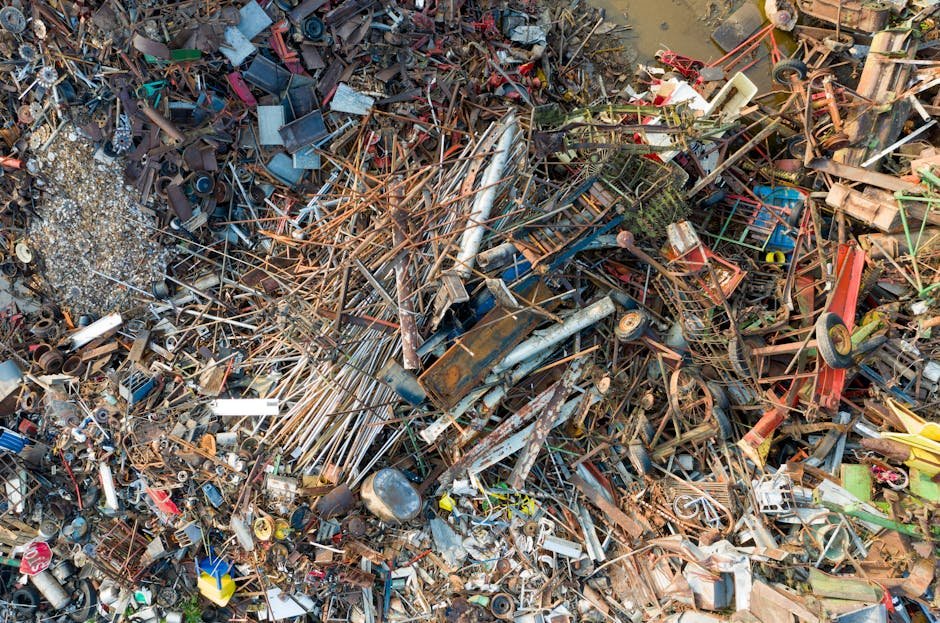

Overview of Junk Iron Prices
Understanding junk iron prices starts with recognising that iron is a primary component of ferrous scrap, which includes cast iron, wrought iron, and other iron‑based alloys. The term junk iron prices refers to the current market value per kg that sellers receive for their iron scrap when it is sold to recyclers or steel manufacturers. In Australia, prices are quoted in Australian dollars (AUD) and can vary significantly between cities, depending on local demand and processing costs.
How Junk Iron Prices Are Determined
The calculation of junk iron prices involves several layers of market dynamics. First, the base price is derived from the global iron ore and steel market, where the cost of raw iron ore and the price of finished steel influence the resale value of scrap. Second, local scrap yards adjust this base price by adding a premium or discount that reflects transportation costs, processing fees, and the specific quality of the scrap. Finally, the price per tonne is converted to a price per kg for easier comparison and to accommodate the typical weight of individual items sold by consumers or small businesses.
Recyclers often publish a weekly Scrap Prices sheet that lists the current iron price per kg alongside other ferrous and non‑ferrous metals. These sheets are updated daily to reflect real‑time market changes, ensuring that both buyers and sellers operate with the most accurate information available.
Key Factors Influencing Junk Iron Prices
Several interrelated factors determine the final price you receive for junk iron:
- Supply Volume: A sudden influx of iron scrap, such as after a demolition project, can depress prices due to oversupply.
- Demand from Steel Mills: When steel producers require more raw material for new production, they pay a higher premium for scrap.
- Quality of Scrap: Clean, dry, and well‑sorted iron fetches higher prices than contaminated or mixed scrap.
- Local Processing Costs: Facilities with advanced sorting and de‑contamination equipment can offer better rates.
- Global Metal Market Trends: Fluctuations in the price of steel, aluminium, and other metals can indirectly affect junk iron prices.
- Currency Exchange Rates: Since many prices are set in USD, a weaker AUD can boost the local price per kg.
- Environmental Regulations: Stricter recycling mandates may increase the demand for high‑quality scrap.
These factors combine to create a dynamic pricing environment where junk iron prices can shift by several cents per kg within a single week.
Current Market Trends & Data
As of the latest market snapshot, the average price for junk iron in Australia sits between $0.03 and $0.12 per kg, depending on the region and the type of iron. For instance, cast iron, due to its high carbon content, typically commands a slightly higher price than wrought iron. However, the price differential is often minimal, with most recyclers offering a flat rate for all ferrous scrap to simplify operations.
To stay ahead, many sellers consult the Scrap Metal Prices page, which provides real‑time updates on all metal categories, including junk steel prices and junk battery prices. By cross‑referencing these figures, sellers can gauge whether iron is a more lucrative scrap option than other metals.
In addition, the Scrap Metal Prices Near Me tool helps local sellers find the nearest facilities offering the best rates, reducing transportation costs and increasing net profit.
Practical Tips for Sellers
If you’re looking to sell junk iron, consider the following actionable steps:
- Sort and Clean: Remove any non‑ferrous materials, such as plastic or rubber, and dry the scrap to avoid moisture penalties.
- Weigh Accurately: Use a calibrated scale to determine the exact weight. Even a small miscalculation can reduce your earnings.
- Check Local Rates: Compare quotes from multiple recyclers by visiting their websites or calling directly. The Scrap Trade platform offers a convenient comparison tool.
- Timing Matters: Sell during periods of high demand, such as the start of a new construction season or when steel mills announce increased production.
- Bundle Items: Combine multiple small pieces into a single load to reduce handling fees.
- Maintain Records: Keep receipts and transaction logs to verify the price per kg you received and to facilitate future sales.
By following these steps, you can ensure that you receive the best possible price for your junk iron.
How to Get the Best Price for Junk Iron
Maximising the return on your junk iron involves a mix of market awareness and operational efficiency. Start by monitoring the Scrap Prices page daily to spot price spikes. When prices rise, consider holding onto your scrap until the market peaks, provided you have storage space. Additionally, building relationships with reputable recyclers can lead to preferential pricing, especially if you become a regular supplier.
It’s also worth exploring Australian recycling hub resources that offer bulk pickup services. These services can reduce your transportation costs and improve your overall margin.
Remember that the price per tonne is simply the price per kg multiplied by 1,000. Therefore, a small increase in the price per kg can translate into a significant boost when dealing with large quantities.
Related Scrap Metal Prices and Resources
While junk iron is a major component of ferrous scrap, many sellers also deal with other metals. The Scrap Metal Prices page lists current rates for aluminium, copper, brass, and more. By diversifying your scrap portfolio, you can mitigate the risk of a price dip in any single metal category.
For those who need to find a drop‑off point quickly, the Scrap Metal Prices Near Me feature pinpoints the nearest facilities offering competitive rates, saving time and money.
Additionally, if you have specialized waste such as batteries, you can consult the junk battery prices page to determine whether selling batteries is more profitable than iron at the moment.
Conclusion
Junk iron prices are influenced by a complex interplay of global metal markets, local demand, and the quality of the scrap itself. By staying informed through reliable sources like the Scrap Prices sheet and by applying practical selling strategies, you can optimise your returns. Whether you’re a hobbyist recycling old tools or a business managing large volumes of demolition waste, understanding the nuances of junk iron pricing will help you make smarter, more profitable decisions.
Frequently Asked Questions
What factors most influence junk iron prices?
Junk iron prices are primarily affected by supply and demand dynamics, the quality and cleanliness of the scrap, local processing costs, and global steel market trends.
How often do junk iron prices change?
Prices can change daily, often multiple times a day, as they react to real‑time market data and shifts in local demand.
What is the typical price range for junk iron in Australia?
Current rates usually range from about $0.03 to $0.12 per kg, depending on region and iron type.
How can I get the best price for my junk iron?
Clean and sort your scrap, weigh accurately, compare quotes from multiple recyclers, and time your sale to peak demand periods.