
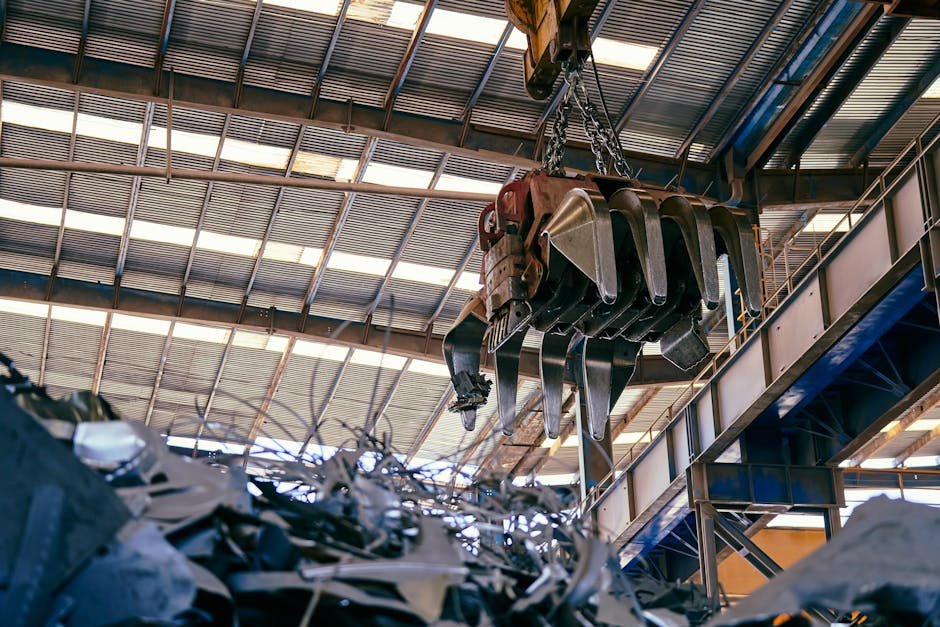

The search for iron scrap dealers near me is a common and crucial step for homeowners, contractors, demolition crews, and industrial operators across Australia. Whether you’re clearing out an old shed, renovating a property, or managing manufacturing offcuts, knowing where to sell scrap iron efficiently and responsibly can turn waste into revenue. This comprehensive guide dives deep into the types of iron scrap, how to identify them, current pricing models, and the recycling process that transforms discarded metal into valuable raw material. By understanding the ecosystem of ferrous recycling and how to locate the closest dealer in your area, you can make informed decisions that benefit both your wallet and the planet.
Why Iron Scrap Recycling Matters in Australia
Iron scrap recycling is a cornerstone of Australia’s circular economy, helping reduce reliance on raw ore extraction, conserve energy, and lower greenhouse gas emissions. As one of the most recycled materials on Earth, iron—particularly in its ferrous form—plays a vital role in sustainable manufacturing and construction. Every tonne of recycled iron scrap saves approximately 1.5 tonnes of iron ore, 0.5 tonnes of coal, and 70% of the energy required to produce new steel from raw materials. These environmental savings translate into real-world impact, especially in a resource-intensive nation like Australia.
The presence of reliable iron scrap dealers near me ensures that scrap metal doesn’t end up in landfills but instead re-enters the production chain. Local scrap yards and nearby recyclers across cities like Sydney, Melbourne, Brisbane, Perth, and Adelaide form a distributed network that collects, sorts, and processes ferrous materials. These dealers work closely with scrapyards, steel mills, and export markets to maintain a steady flow of recyclable material. By engaging with a trusted dealer in your area, you’re not just getting paid—you’re participating in a national effort to reduce environmental degradation and promote resource efficiency.
Moreover, the iron recycling industry supports thousands of jobs across Australia, from collection and transportation to processing and quality control. The economic ripple effect extends to equipment manufacturers, logistics providers, and even technology firms developing sorting and tracking systems for scrap trade operations. This industry is more than just melting down old metal—it’s a sophisticated supply chain that balances market dynamics, environmental stewardship, and community engagement.
Understanding Ferrous Scrap: Cast Iron vs. Wrought Iron
Not all iron is created equal. When dealing with iron scrap dealers near me, it’s essential to understand the primary categories of ferrous scrap: cast iron and wrought iron. Each has distinct physical properties, applications, and market values, which directly influence the scrap iron price you’ll receive.
Cast iron is a brittle, high-carbon form of iron, typically containing 2–4% carbon along with silicon and other trace elements. It’s known for its excellent castability and wear resistance, making it ideal for engine blocks, pipes, stoves, and machinery housings. Because of its density and durability, cast iron often commands a higher price per kilogram than other forms of scrap. However, contaminants like dirt, paint, or non-metallic inclusions can lower its value, so proper preparation is key.
Wrought iron, on the other hand, is a malleable, low-carbon iron alloy that was widely used in historical construction for railings, gates, and decorative elements. Though largely replaced by mild steel in modern applications, wrought iron still appears in heritage buildings and restoration projects. It contains fibrous slag inclusions that give it a grain-like texture and excellent corrosion resistance. While less common today, clean wrought iron scrap is still valued by recyclers for its purity and recyclability.
It’s important to note that most modern “iron” scrap is actually mild steel—an alloy of iron and carbon with less than 0.3% carbon. Despite this, it’s commonly grouped under the broader category of ferrous scrap. Accurate identification helps dealers assess quality and determine the appropriate iron price per kg. Mislabeling or mixing grades can result in downgrading and reduced payouts. For more on material classification, visit Iron Scrap Group, which provides detailed specifications and industry benchmarks.
How to Identify and Prepare Iron Scrap for Sale
Before approaching a nearby recycler or local scrap yard, proper identification and preparation of your iron scrap can significantly impact your return. The first step is sorting materials by type: separate cast iron, wrought iron, and steel to avoid contamination. Use a magnet test—ferrous metals are magnetic, while non-ferrous metals like aluminum or copper are not. This simple check ensures you’re not mixing materials, which can lead to rejection or lower pricing.
Next, clean the scrap as much as possible. Remove dirt, concrete, plastic, rubber, or any non-metal attachments. For example, an engine block with hoses, wiring, and oil residue will be downgraded. Drain all fluids and detach non-ferrous components like brass fittings or aluminum housings, which can be sold separately at higher rates. Dealers often use shears, shredders, and balers to process incoming material, and cleaner scrap moves faster through these systems.
When transporting scrap, consider weight and volume. Heavy items like cast iron bathtubs or machinery bases require appropriate lifting equipment and a sturdy vehicle. Most local scrap yard operators have drive-in facilities with weighbridges to measure incoming loads accurately. You’ll typically be paid based on net weight after deductions for moisture or contaminants. Keeping records of your materials, weights, and transactions helps build trust with dealers and supports future sales.
If you’re unsure about the type of iron you have, many nearby recycler facilities offer free identification services. Some even provide pickup for large volumes, particularly in industrial zones. For homeowners or small-scale collectors, bundling scrap over time can help reach minimum thresholds for bulk pricing. Always call ahead to confirm accepted materials, operating hours, and documentation requirements—some dealers may ask for photo ID or proof of ownership to prevent theft.
How Iron Scrap Recycling Works: From Collection to Reuse
The journey of iron scrap from your property to a new product involves several stages: collection, sorting, processing, melting, and manufacturing. Understanding this process helps clarify why proper preparation matters and how your contribution fits into a larger industrial cycle.
Once you deliver scrap to a closest dealer in your area, it’s weighed and inspected. The material is then sorted using magnets, sensors, and manual labor to separate ferrous from non-ferrous metals and remove contaminants. Advanced facilities may use eddy current separators and optical sorting to enhance purity.
After sorting, the iron scrap is processed into uniform sizes. Large pieces are sheared or shredded, while smaller fragments may be baled for efficient transport. This standardized material is then shipped to steel mills, where it’s fed into electric arc furnaces (EAFs) or basic oxygen furnaces (BOFs). In an EAF, scrap is melted using high-powered electrodes, reaching temperatures over 1,600°C. The molten metal is refined, alloyed, and cast into billets, slabs, or ingots for further manufacturing.
Recycled iron scrap can be used to produce new steel products such as rebar, structural beams, automotive parts, and household appliances. The recycling loop is nearly closed—modern steel products contain an average of 30–40% recycled content, with some applications exceeding 90%. This efficiency reduces the carbon footprint of steel production and conserves finite natural resources.
The role of scrap trading platforms like What Is Scrap Trade is to streamline this flow by connecting suppliers with verified buyers. These platforms often provide real-time pricing data, logistics coordination, and compliance tracking, ensuring transparency and efficiency across the supply chain. For a deeper look at how transactions are structured, see What Scrap Trade Actually Is.
Current Iron Scrap Prices and Market Trends in Australia
The iron price per kg fluctuates based on global steel demand, energy costs, exchange rates, and domestic supply conditions. As of 2024, ferrous scrap prices in Australia typically range from $200 to $400 per tonne ($0.20 to $0.40 per kg), with cast iron often fetching premiums due to its higher density and carbon content. However, these figures are dynamic and can shift weekly—or even daily—based on market forces.
To get the most accurate and up-to-date valuation, consult live pricing tools like the price for scrap iron tracker, which aggregates data from major scrapyards and export terminals. Regional variations also exist: urban centers with high industrial activity may offer better rates due to competition among nearby recycler operators, while remote areas may have fewer options and lower prices.
Export demand plays a significant role in Australian scrap pricing. With strong markets in India, South Korea, and Southeast Asia, Australian dealers often compete internationally for high-quality ferrous material. When overseas demand spikes, local prices rise accordingly. Conversely, trade restrictions, shipping costs, or global economic slowdowns can depress values.
Seasonality also affects the market. Construction and demolition activity tends to peak in spring and summer, increasing scrap supply and sometimes lowering prices due to oversupply. Winter months may see tighter supply and slightly higher rates. Staying informed through industry reports and price alerts helps sellers time their sales for maximum return.
It’s also worth noting that some dealers offer tiered pricing based on volume. Larger commercial clients may negotiate long-term contracts with fixed or indexed rates, while retail sellers receive spot prices. Always ask for a breakdown of how your payment is calculated—some yards deduct for moisture, tramp metal, or handling fees.
Environmental and Economic Benefits of Recycling Iron Scrap
Recycling iron scrap delivers profound environmental benefits. For every tonne of recycled steel, the world saves 1,100 kg of iron ore, 630 kg of coal, and 55 kg of limestone. Energy savings are equally impressive: recycling uses 60–75% less energy than primary production. In Australia, where energy costs and carbon emissions are under increasing scrutiny, this efficiency supports national climate goals and reduces reliance on fossil fuels.
Landfill diversion is another critical advantage. Iron and steel account for a significant portion of the waste stream, particularly in construction and demolition. By redirecting this material to local scrap yard facilities, communities reduce landfill pressure, lower methane emissions from decomposing waste, and avoid soil and water contamination.
From a climate perspective, recycling one tonne of steel reduces CO₂ emissions by approximately 1.5 tonnes. Australia’s steel industry has committed to net-zero emissions by 2050, and scrap recycling is a key lever in achieving this target. Increased use of electric arc furnaces, which run primarily on recycled scrap, further accelerates decarbonization.
Economically, the scrap metal industry contributes over $4 billion annually to Australia’s GDP and supports more than 10,000 direct and indirect jobs. Local businesses, from small scrapyards to multinational recyclers, benefit from stable demand and scalable operations. For individuals and small enterprises, selling scrap provides a tangible financial return on waste, turning obsolete materials into cash.
Community engagement is also enhanced through recycling programs. Many iron scrap dealers near me participate in clean-up drives, school education initiatives, and industrial partnerships to promote responsible resource management. By choosing to recycle, you’re not just disposing of waste—you’re investing in a cleaner, more resilient economy.
How to Find the Best Iron Scrap Dealers Near Me
Locating the right iron scrap dealers near me involves more than just a quick Google search. While digital tools make it easier to find a closest dealer in your area, evaluating their reliability, pricing, and services is crucial for a successful transaction.
Start by using online directories and mapping services. Enter “iron scrap dealers near me” or “local scrap yard” followed by your suburb or postcode. Look for businesses with verified addresses, customer reviews, and clear information about accepted materials and payment methods. Many reputable dealers list their current scrap iron price on their websites, giving you a baseline for comparison.
Check for industry certifications. Members of the Australian Recyclers Association (ARA) or those complying with Environment Protection Authority (EPA) guidelines are more likely to follow best practices in safety, environmental management, and fair trading. Avoid unlicensed or fly-by-night operations that may offer high prices but lack transparency.
Call ahead to confirm details. Ask about documentation requirements, whether they accept mixed loads, and if they offer pickup services for large volumes. Some dealers specialize in industrial scrap and may not serve residential customers, while others cater specifically to homeowners and DIYers.
Consider convenience and logistics. A slightly farther nearby recycler with better rates or faster service might be worth the extra drive. Weighbridges, forklifts, and drop-off bays should be well-maintained and clearly marked. Safety is paramount—ensure the site has proper fencing, signage, and staff supervision.
For a comprehensive national network, explore platforms like Scrap Trade, which connects sellers with verified buyers across Australia. Alternatively, Scrap Trade Australia offers regional insights, price benchmarks, and educational resources to help you navigate the market confidently.
Practical Tips for Maximising Your Scrap Iron Returns
Getting the best value from your iron scrap requires strategy and attention to detail. Follow these expert tips to maximise your payout and ensure a smooth transaction with iron scrap dealers near me.
- Sort and separate materials: Keep cast iron, wrought iron, and steel in distinct piles. Remove non-ferrous metals like copper, brass, or aluminum—they’re worth significantly more and should be sold separately.
- Clean and prepare scrap: Wash off dirt, remove rubber hoses, drain oils, and detach plastic components. Clean scrap is processed faster and fetches higher prices.
- Time your sale strategically: Monitor market trends and sell when prices are high. Avoid dumping large volumes during peak seasons when supply exceeds demand.
- Bundle small items: Use wire or straps to bundle rebar, pipes, or sheet metal. This reduces handling time and may qualify for better rates.
- Build relationships with dealers: Regular sellers often receive better treatment, priority service, and insider pricing. Ask about loyalty programs or volume discounts.
- Keep records: Maintain logs of weights, prices, and payments. This helps track trends and supports tax reporting if you’re a business.
- Stay compliant: Follow local regulations on scrap metal sales. In some states, you may need to provide ID or avoid selling restricted items like utility infrastructure.
Finally, educate yourself. Visit Iron Scrap Group for technical specifications, or read What Scrap Trade Actually Is to understand how transactions are structured in the modern recycling economy. The more you know, the better positioned you are to negotiate fairly and recycle responsibly.
Frequently Asked Questions
Where can I find iron scrap dealers near me?
You can locate iron scrap dealers near me by using online search engines, local business directories, or platforms like Scrap Trade that connect sellers with verified recyclers. Enter your postcode or suburb along with the keyword ‘iron scrap dealers near me’ to find the closest dealer in your area.
What is the current price for scrap iron in Australia?
The price for scrap iron varies by region, grade, and market demand. As of 2024, ferrous scrap prices range from $0.20 to $0.40 per kg, with cast iron typically priced higher. Check the price for scrap iron page for real-time updates and local benchmarks.
How do I know if my scrap is cast iron or wrought iron?
Cast iron is brittle, dark gray, and often used in engine blocks and pipes, while wrought iron is fibrous, malleable, and common in old railings and gates. A spark test or professional assessment at a local scrap yard can confirm the type and help determine the iron price per kg.
Can I recycle rusted iron scrap?
Yes, rusted iron scrap is fully recyclable. The rust is burned off during the melting process in steel mills. However, excess moisture or dirt may reduce the net weight, so it’s best to dry and clean the material before selling to a nearby recycler.