
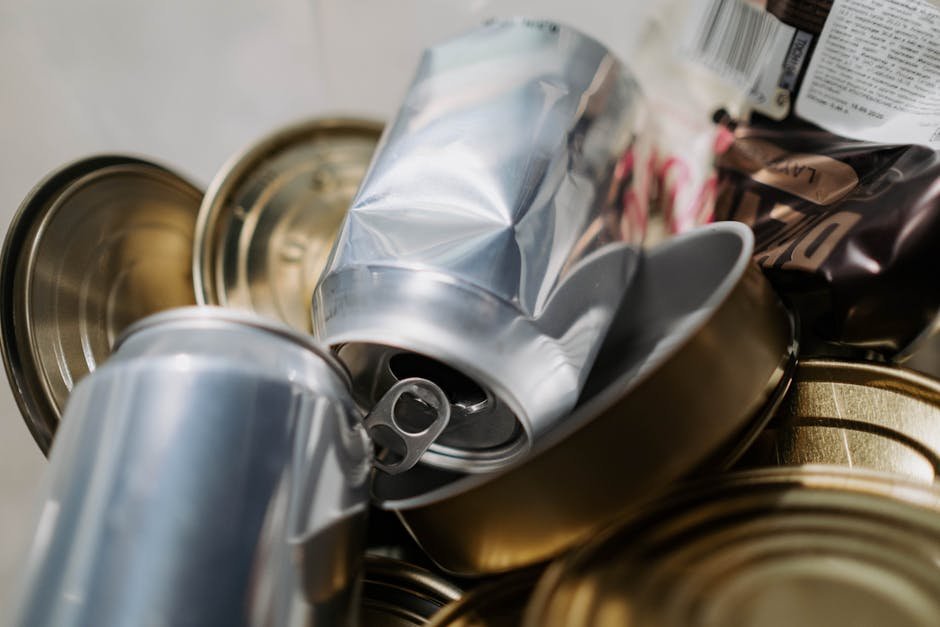

The term aluminum recycling prices refers to the value assigned to scrap aluminum when traded in the recycling market. These prices fluctuate daily based on a complex interplay of global commodity markets, industrial demand, and logistical factors. Understanding how aluminum recycling prices are determined is essential for businesses, recyclers, and individuals looking to maximize returns from aluminum scrap. Whether you’re dealing with aluminum cans, extrusions, or mixed alloys, knowing the current scrap prices allows you to make informed decisions and optimize your recycling strategy.
What Determines Aluminum Recycling Prices in Australia?
Aluminum recycling prices are not arbitrary—they are the result of a well-established global pricing mechanism influenced by supply and demand, purity, and macroeconomic conditions. In Australia, scrap aluminum is priced primarily based on the London Metal Exchange (LME) benchmark for primary aluminum, minus processing and refining costs. The LME sets the baseline for metal prices today, which is then adjusted locally by recyclers and processors.
One of the key benchmarks used in Australia is the ASR (Aluminum Smelter Return) price, which reflects what smelters are willing to pay for clean, sorted aluminum scrap. The ASR is typically set at a percentage of the LME price—often between 75% and 90%, depending on the quality of the material. High-grade aluminum extrusion, for example, can command up to 88% of the LME rate, while mixed or contaminated scrap may fall below 75%.
The price per kg is the standard metric used across Australia for trading aluminum scrap, although larger industrial transactions are often quoted per tonne. As of mid-2024, clean aluminum extrusion is fetching between $2.80 and $3.50 per kg, while aluminum cans (post-consumer) are valued between $1.80 and $2.40 per kg. These figures represent current scrap prices and are subject to weekly or even daily adjustments based on LME volatility and domestic collection rates.
It’s also important to understand that not all aluminum is created equal. The market differentiates between aluminum 6063 (common in extrusions), aluminum 6061 (used in structural applications), and aluminum 3003 (often found in cans and foils). Each grade has a distinct chemical composition and melting yield, which directly impacts its market value. For instance, aluminum cans have a lower melting point and higher impurity content due to paint and plastic linings, reducing their effective recovery rate and thus their aluminum price.
How Global Markets Influence Local Aluminum Scrap Value
While local supply chains and recycling infrastructure play a role, the dominant force behind aluminum recycling prices is the global commodities market. The London Metal Exchange (LME) is the primary price setter for primary aluminum, and its daily fluctuations ripple through the entire scrap ecosystem. When the LME price rises due to increased demand from automotive, aerospace, or construction sectors, recyclers adjust their price per kg accordingly.
For example, in early 2022, the LME aluminum price spiked to over USD $3,800 per tonne due to energy shortages in Europe and supply chain disruptions from geopolitical tensions. This surge directly increased current scrap prices across Australia, with clean aluminum extrusion briefly reaching $3.70 per kg. Conversely, when global demand slows—such as during economic downturns or manufacturing cutbacks—scrap prices decline to reflect reduced industrial uptake.
Another critical factor is China’s role in the global aluminum market. As the world’s largest producer and consumer of aluminum, China’s import policies, smelting capacity, and environmental regulations significantly affect metal prices today. When China restricts scrap imports or increases domestic recycling efforts, global supply tightens, pushing prices upward. Australian exporters who ship aluminum scrap to Asia must closely monitor these trends to time their sales for maximum profitability.
Exchange rates also play a subtle but important role. Since the LME trades in US dollars, a weaker Australian dollar can make exports more competitive but also increases the cost of imported machinery and chemicals used in recycling. This dynamic indirectly pressures recyclers to adjust their inbound aluminum price to maintain margins.
Types of Aluminum Scrap and Their Market Value
Not all aluminum scrap is valued the same. The recycling industry categorizes scrap based on alloy composition, contamination level, and form. Understanding these categories helps recyclers and businesses segregate materials effectively and receive fair compensation. Below is a breakdown of common aluminum scrap types and their typical price per kg in the Australian market as of 2024:
- Clean Aluminum Extrusion (6063): $2.80 – $3.50 per kg — This is one of the highest-value scrap streams due to its high purity and widespread use in construction and window frames. Properly sorted and baled extrusion is in high demand by domestic remelters.
- Aluminum Cans (Mixed Beverage Cans): $1.80 – $2.40 per kg — While abundant, aluminum cans are often contaminated with food residue, plastic, and paint. After processing, the yield is lower, which affects their market value. However, initiatives like container deposit schemes have improved collection rates and purity.
- Mixed Aluminum Scrap: $1.50 – $2.00 per kg — This category includes a blend of alloys and forms, often from demolition or industrial offcuts. Due to the difficulty in sorting and lower melting yield, it commands a discount.
- Aluminum Turnings (Machining Swarf): $1.20 – $1.80 per kg — Common in manufacturing, these fine chips are oily and compacted, requiring specialized processing. They are typically briquetted before sale to improve handling and reduce fire risk.
- Aluminum Radiators (Copper-Aluminum Mix): $1.00 – $1.60 per kg — These contain both aluminum and copper, but the separation process reduces their value. Some processors offer higher rates if the radiator cores are pre-separated.
For those looking to maximize earnings from aluminum cans, proper preparation is key. Flattening cans, removing lids, and ensuring they are clean and dry can help avoid contamination penalties. For more detailed guidance, read our comprehensive guide on Aluminum Can Recycling Prices How To Maximize Your Earnings.
Factors That Affect Aluminum Recycling Prices
While the LME provides the baseline, several domestic and operational factors influence the final aluminum recycling prices paid in Australia. These include:
1. Purity and Contamination: The cleaner the scrap, the higher the price. Contaminants such as steel, plastic, rubber, or dirt reduce the effective aluminum content and increase processing costs. For instance, a batch of aluminum extrusion contaminated with small steel fasteners may be downgraded to mixed scrap, losing up to 30% of its potential value.
2. Collection and Transportation Costs: Recyclers factor in logistics when setting price per kg. Rural collectors may receive lower rates due to higher transport expenses, while urban recyclers with direct access to processing facilities can negotiate better terms. Some companies offer pick-up services, but these often come with volume requirements or price adjustments.
3. Seasonal Demand Cycles: Aluminum demand tends to peak during construction booms and automotive production cycles. Spring and summer often see higher current scrap prices due to increased building activity. Conversely, winter months may see softer demand and lower offers.
4. Energy Prices: Recycling aluminum uses only 5% of the energy required to produce primary aluminum from bauxite. However, energy costs still impact processing efficiency. High electricity prices in Australia—particularly in South Australia and Victoria—can compress recycler margins, leading to conservative metal prices today.
5. Government Policies and Incentives: Federal and state initiatives, such as the National Waste Policy Action Plan and container deposit schemes, influence scrap availability and quality. Policies that promote circular economy models tend to stabilize and sometimes increase aluminum price by ensuring consistent feedstock for remelters.
6. Technological Advancements: Innovations in sorting technology—such as eddy current separators and XRF analyzers—allow recyclers to process mixed scrap more efficiently. This improves yield and supports higher price per tonne for previously low-grade materials.
How to Get the Best Price for Your Aluminum Scrap
Maximizing returns from aluminum recycling requires more than just knowing current scrap prices—it demands strategic preparation and market awareness. Here are actionable steps to ensure you receive top dollar:
1. Sort by Alloy and Form: Separate aluminum extrusion from cans, turnings, and mixed scrap. Use a magnet to remove ferrous contaminants. Proper segregation increases yield and reduces processing costs, which recyclers reward with higher rates.
2. Clean and Dry Materials: Rinse out containers, remove labels, and avoid storing scrap in damp conditions. Wet or dirty aluminum is downgraded and may be rejected outright by some processors.
3. Consolidate Volume: Most recyclers offer tiered pricing based on volume. A single household might get $2.00 per kg for cans, but a business delivering 500 kg could negotiate $2.30 per kg. Consider partnering with neighbors or local businesses to increase volume.
4. Shop Around: Prices vary between recyclers. Use online tools like Scrap Prices to compare regional offers and find the best local rate. Don’t hesitate to call multiple yards and ask for their current aluminum recycling prices.
5. Monitor Market Trends: Subscribe to industry newsletters or follow commodity reports. When the LME is trending upward, wait a few days before selling to capture peak value. Conversely, during dips, consider holding stock if storage allows.
6. Join the Recycling Community: Engaging with the Recycling Community provides access to insider knowledge, price alerts, and bulk collection events. Many members share tips on which yards pay the best rates for specific materials like aluminum extrusion or radiators.
Regional Variations in Aluminum Scrap Pricing
Aluminum recycling prices in Australia are not uniform across states. Urban centers with established recycling infrastructure—such as Sydney, Melbourne, and Brisbane—typically offer higher rates due to proximity to processing plants and export hubs. In contrast, remote areas may have limited options and lower price per kg due to transportation costs.
For example, in New South Wales, clean aluminum extrusion regularly sells for $3.20–$3.50 per kg, while in regional Western Australia, the same material might fetch $2.90–$3.10 due to longer haul distances. Tasmania and the Northern Territory often rely on periodic collection drives, which can result in variable pricing.
Some recyclers also operate on a “spot price” model, updating their current scrap prices weekly based on LME movements and inventory levels. Others use fixed contracts with industrial clients, locking in rates for months at a time. Businesses generating consistent scrap volumes should explore contract pricing to hedge against market volatility.
For those also dealing with ferrous metals, it’s worth comparing steel recycling prices near me to assess the full value of your scrap stream. While steel prices are generally lower than aluminum, high-volume steel scrap can still contribute significantly to overall revenue.
Future Outlook for Aluminum Recycling Prices
The long-term trajectory for aluminum recycling prices in Australia is positive, driven by growing environmental regulations, corporate sustainability goals, and technological innovation. The federal government’s target of 80% recycling rate for aluminum by 2030 is expected to tighten supply and support stable or rising prices.
Electric vehicle (EV) manufacturing is another key driver. EVs use up to 50% more aluminum than internal combustion vehicles for lightweighting, increasing industrial demand for both primary and recycled metal. This trend is likely to push metal prices today upward over the next decade.
Additionally, the rise of urban mining—recovering metals from end-of-life buildings, electronics, and vehicles—will expand the scrap aluminum supply. However, this also presents challenges in sorting and quality control, which could lead to greater price differentiation between high-grade and mixed scrap.
Recyclers who invest in sorting automation and quality assurance will be best positioned to capitalize on premium pricing. Consumers and small businesses can benefit by aligning their collection practices with these emerging standards.
Conclusion: Mastering Aluminum Recycling for Maximum Returns
Understanding aluminum recycling prices is essential for anyone involved in scrap metal trading or recycling. From the global influence of the LME to local factors like contamination and transport costs, multiple variables shape the price per kg you receive. By sorting materials properly, monitoring current scrap prices, and engaging with the broader recycling ecosystem, you can significantly improve your returns.
For up-to-date data and regional comparisons, visit Scrap.Trade, Australia’s leading platform for transparent scrap metal pricing. You can also explore global market trends and trade insights at ScrapTrade Australia, our international counterpart specializing in cross-border scrap trading.
If you’re looking for in-depth analysis on regional pricing trends, be sure to check our dedicated page on aluminium recycling prices, which provides real-time updates and historical data to help you make informed decisions. With the right knowledge and tools, aluminum recycling remains one of the most profitable and sustainable ventures in the scrap industry.
Frequently Asked Questions
What is the current aluminum recycling price per kg in Australia?
As of 2024, aluminum recycling prices in Australia range from $1.80 to $3.50 per kg, depending on the type and quality of scrap. Clean aluminum extrusion fetches the highest rates, while mixed or contaminated scrap is priced lower.
How are aluminum scrap prices determined?
Aluminum scrap prices are based on the London Metal Exchange (LME) benchmark, adjusted for local processing costs, purity, and demand. Recyclers typically pay a percentage of the LME price, with higher rates for clean, sorted materials.
Does cleaning aluminum cans increase their recycling value?
Yes, clean, dry aluminum cans free of food residue, lids, and contaminants attract higher prices. Dirty or wet cans may be downgraded or rejected, reducing your earnings per kg.
Where can I find the latest scrap metal prices in Australia?
You can view real-time updates on Scrap Prices at Scrap.Trade, which tracks current scrap prices across metals including aluminum, steel, and copper.