

The question how much is lead worth per kg is one of the most frequently asked by scrap metal sellers, recyclers, and industrial operators across Australia. With lead being one of the most recycled and economically viable non-ferrous metals, understanding its current market value is essential for ensuring you’re getting fair compensation when selling scrap. Prices fluctuate based on global supply and demand, the London Metal Exchange (LME), and local recycling yard policies. In this comprehensive guide, we’ll break down everything you need to know about lead pricing, factors influencing its value, and how to maximize returns when recycling.
Understanding Lead as a Recyclable Metal
Lead is a dense, malleable, and corrosion-resistant metal that has been used for centuries in applications ranging from construction to electronics. Today, it remains a critical material in the production of batteries—especially lead-acid batteries used in vehicles, backup power systems, and industrial equipment. Due to its high recyclability rate—over 99% of lead-acid batteries are recycled in Australia—lead is a cornerstone of the scrap metal recycling industry.
Recycled lead reduces the need for primary mining, lowers energy consumption, and minimizes environmental impact. Because of this, many recycling facilities actively seek lead-containing materials, particularly batteries, roofing sheets, pipes, and shielding from medical or industrial facilities. The value of lead scrap is directly tied to its purity and form. Clean, unalloyed lead fetches the highest prices, while contaminated or mixed materials are discounted.
Knowing how much is lead worth per kg starts with understanding its global benchmark pricing. The London Metal Exchange (LME) sets the base price for lead, typically quoted in USD per metric tonne. Australian recyclers then adjust this rate based on local operating costs, transportation, processing fees, and exchange rates. As of mid-2024, the LME spot price for lead hovers around USD 2,100–2,400 per tonne, translating to approximately AUD $1.60–$2.60 per kilogram at the wholesale level.
Current Scrap Lead Prices in Australia (2024)
As of the second half of 2024, the average price for scrap lead in Australia ranges from $1.50 to $2.80 per kg. However, these figures are not fixed and can vary significantly between states and individual recycling yards. For example, urban centers like Sydney, Melbourne, and Brisbane often offer more competitive rates due to higher competition among recyclers and greater access to refining infrastructure.
Here’s a breakdown of current lead scrap pricing by category:
- Battery Plate Lead (clean, uncrushed): $2.30–$2.80/kg
- Lead Terminals and Connectors: $2.00–$2.50/kg
- Lead Sheathing (from cables or roofing): $1.80–$2.40/kg
- Contaminated or Mixed Lead: $1.20–$1.70/kg (subject to testing)
- Lead-Acid Battery Blocks (whole or crushed): $1.60–$2.00/kg
These prices are dynamic and can change weekly—or even daily—based on global metal markets. For the most accurate and up-to-date information, consult a trusted pricing hub such as Scrap Lead Prices How Lead Scrap Is Valued And Where To Sell For The Best Rates, which provides real-time updates and regional price comparisons.
It’s also important to note that some scrapyards apply a “haircut” or deduction for impurities, especially in lead recovered from batteries. This accounts for plastic casings, sulfuric acid residue, and other non-metallic components. Always ask for a breakdown of how your lead is being assessed before finalizing a sale.
Factors That Influence How Much Is Lead Worth Per Kg
Several key factors determine the final price you receive for scrap lead. Understanding these variables can help you time your sales strategically and improve your profit margins.
1. Global Commodity Markets
The primary driver of lead pricing is the international commodities market, particularly the London Metal Exchange (LME). When industrial demand rises—especially from automotive, construction, and renewable energy sectors—the price of lead increases. Conversely, economic downturns or oversupply can suppress prices. Traders and recyclers in Australia monitor LME trends closely, often adjusting local rates within 24–48 hours of major movements.
2. Purity and Contamination
Pure lead (Pb) with minimal alloying elements or contaminants commands the highest prices. Lead contaminated with tin, antimony, arsenic, or copper will be downgraded. For example, lead recovered from old plumbing may contain solder residues that reduce its value. Always clean and separate your lead materials before selling to avoid unnecessary deductions.
3. Form and Weight
Bulk quantities of lead are more valuable than small, fragmented pieces. A single 50kg ingot will typically receive a better rate than 50kg of loose scraps due to lower processing costs. Similarly, whole lead-acid batteries may be priced differently than crushed battery fragments, depending on the buyer’s processing capabilities.
4. Location and Recycling Yard Competition
Scrap metal prices vary by region. In areas with multiple recycling facilities, competition drives prices up. Remote or rural locations may offer lower rates due to higher transportation costs. Using tools like the Scrap Trade platform allows sellers to compare local yard prices and choose the most profitable option.
5. Exchange Rates and Operational Costs
Since lead is traded globally in USD, fluctuations in the Australian dollar (AUD) directly impact local prices. A weaker AUD means lower returns for Australian recyclers, even if LME prices remain stable. Additionally, rising energy, labor, and compliance costs can lead recyclers to reduce their buy rates, especially during inflationary periods.
Common Sources of Scrap Lead in Australia
Lead is found in a wide range of industrial, commercial, and consumer applications. Identifying high-value sources can significantly boost your earnings. Here are the most common and profitable types of scrap lead available in Australia:
- Lead-Acid Batteries: The largest source of recyclable lead, used in cars, trucks, forklifts, and uninterruptible power supplies (UPS). These batteries contain 60–70% lead by weight and are highly sought after. For a detailed breakdown of their value, see Scrap Battery Prices How Much Are Used Batteries Worth In The Recycling Market.
- Roofing and Flashing: Old buildings, especially heritage structures, often use lead sheeting for waterproofing. This material is typically high-purity and sells at premium rates when clean.
- Electrical Cables: Some high-voltage cables are insulated with lead sheathing. While less common today, these are still found during demolition or infrastructure upgrades.
- Radiation Shielding: Hospitals, dental clinics, and nuclear facilities use lead-lined walls, doors, and aprons. Decommissioning projects can yield large quantities of clean lead.
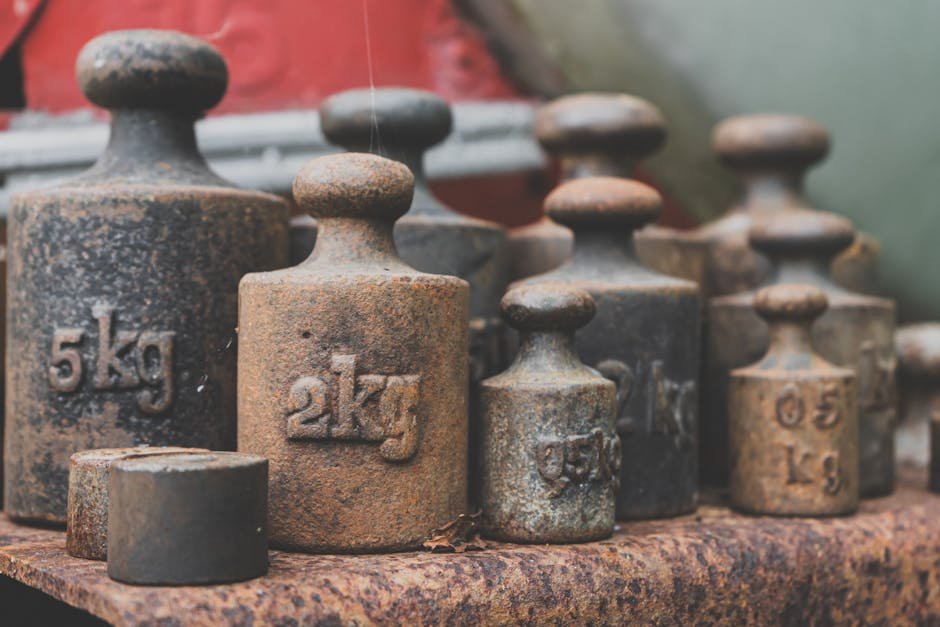
- Weights and Ballast: Marine, aviation, and fitness equipment often use lead for counterbalancing. Dumbbell weights, diving belts, and keel ballast are common examples.
- Industrial Pipes and Fittings: Older industrial plants may have lead piping, though these are often contaminated and require testing.
Each of these sources has different handling requirements and value potential. For instance, lead from batteries must be managed under strict environmental regulations due to acid content, while lead sheeting from roofs can often be sold directly as clean scrap.
How to Maximize Your Returns When Selling Scrap Lead
To get the best possible price for your lead, follow these expert strategies:
1. Sort and Clean Your Materials
Remove any non-lead components such as plastic, rubber, or steel. For example, separating lead terminals from battery casings increases purity and value. Clean lead free of dirt, oil, or chemical residues will be graded higher.
2. Accumulate Bulk Quantities
Most recyclers offer better rates for larger volumes. Instead of making frequent small trips, store your scrap safely and sell in bulk. This reduces handling fees and increases negotiating power.
3. Compare Multiple Buyers
Don’t accept the first offer. Use online platforms like Scrap Trade Australia to compare real-time prices from multiple yards in your area. Some facilities offer premium rates for specific forms of lead, such as battery plate or ingots.
4. Time Your Sale Strategically
Monitor global lead prices and sell when the LME is trending upward. Prices often rise during periods of high industrial activity, such as spring and summer construction seasons. Avoid selling during market dips unless storage is an issue.
5. Maintain Accurate Records
Keep logs of your lead sources, weights, and sale prices. This helps you track profitability and identify high-value streams. It also supports compliance if you’re a business handling hazardous materials.
6. Partner with Licensed Recyclers
Ensure your buyer is licensed and follows environmental regulations. Unlicensed operators may offer higher prices but could be engaging in illegal dumping or unsafe practices. Choose recyclers who provide documentation and transparent pricing.
For a step-by-step guide on safe and profitable lead recycling, refer to Lead Recycling How To Sell And Recycle Lead Safely And Profitably.
Environmental and Safety Considerations in Lead Recycling
While lead is highly recyclable, it is also a toxic substance that requires careful handling. Exposure to lead dust or fumes can cause serious health issues, including neurological damage, especially in children. Australian regulations under Safe Work Australia and the Environmental Protection Authority (EPA) mandate strict controls for lead processing.
Key safety practices include:
- Wearing personal protective equipment (PPE), including respirators, gloves, and coveralls
- Working in well-ventilated areas or using fume extraction systems
- Storing lead in sealed containers to prevent dust dispersion
- Washing hands and face before eating or drinking
- Following proper disposal procedures for contaminated materials
Businesses involved in lead recycling must comply with Work Health and Safety (WHS) laws and may require specific licenses depending on volume and activity. Home collectors should avoid melting or cutting lead without proper equipment and training.
Recycling lead responsibly not only protects your health but also ensures long-term market access. Reputable buyers will reject contaminated or improperly handled materials, so safety and cleanliness go hand-in-hand with profitability.
How Lead Compares to Other Scrap Metals in Value
While lead is valuable, it’s important to understand how it stacks up against other common scrap metals. This context helps you prioritize which materials to collect and recycle.
As of 2024, average scrap metal prices in Australia are:
- Lead: $1.50–$2.80/kg
- Copper (Bare Bright): $8.50–$10.50/kg — one of the most valuable non-ferrous metals
- Aluminium (Clean): $1.80–$2.40/kg
- Stainless Steel: $2.20–$3.60/kg
- Zinc: $1.40–$1.90/kg
- Brass: $4.00–$6.00/kg
For a detailed analysis of copper’s market value, visit how much is scrap copper worth. While copper far exceeds lead in price per kg, lead’s high density means even small volumes can add significant weight and value. For example, 10kg of lead is worth $15–$28, while 10kg of aluminium yields $18–$24—making lead competitive despite its lower per-kilo rate.
For a broader understanding of scrap metal valuations, explore how much is scrap metal worth, which covers pricing trends across all major categories.
Conclusion: Getting the Most Out of Your Lead Scrap
The question how much is lead worth per kg has no single answer—it depends on global markets, material quality, location, and timing. However, with current prices ranging from $1.50 to $2.80 per kg, lead remains a profitable and sustainable scrap metal for individuals and businesses alike.
By understanding the factors that influence pricing, identifying high-value sources, and following best practices for sorting and selling, you can maximize your returns while contributing to a circular economy. Always work with licensed, reputable recyclers and prioritize safety when handling lead materials.
Stay informed, compare prices regularly, and leverage digital tools like Scrap Trade to make smarter recycling decisions. Whether you’re recycling old batteries, roofing, or industrial components, knowing how much is lead worth per kg empowers you to sell with confidence and get the best possible rate in today’s dynamic market.
Frequently Asked Questions
How much is lead worth per kg in Australia right now?
As of 2024, lead scrap in Australia typically sells for between $1.50 and $2.80 per kg. Prices vary based on purity, form, location, and global market conditions, particularly the London Metal Exchange (LME) rates.
Where can I sell lead for the best price?
To get the best price, compare offers from multiple licensed scrap yards in your area. Use online platforms like Scrap Trade to access real-time pricing data and find recyclers offering premium rates for clean, bulk lead materials.
Is lead from batteries worth more than other types of scrap lead?
Lead from batteries can be valuable, especially if separated into clean plate or terminals. However, whole or crushed batteries may be priced lower due to contamination. Proper processing increases value significantly.
What affects the scrap value of lead?
Key factors include global commodity prices, lead purity, contamination levels, material form (ingots vs. fragments), local demand, and exchange rates. Bulk quantities and clean, sorted materials fetch higher prices.