
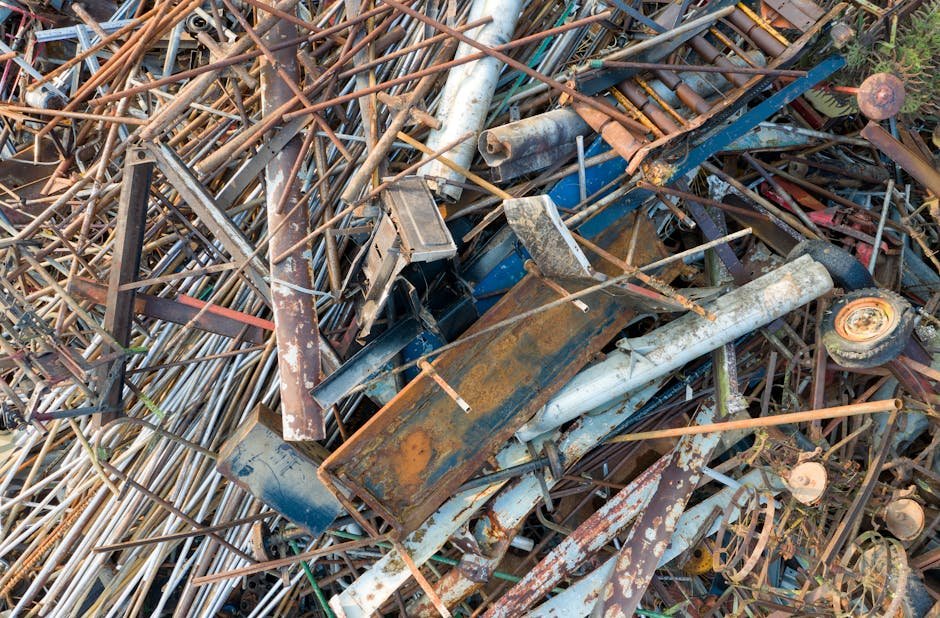

The price of scrap metal per kilo is a crucial factor for those looking to sell scrap metal near them in Australia. With the increasing demand for recycled materials, understanding how much is scrap metal per kilo is essential for both buyers and sellers.
Scrap Metal Grades and Their Prices
Scrap metal can be categorized into various grades based on its quality, composition, and market demand. The most common scrap metal grades include:
- Copper (Cu) – $3.50 to $5.50 per kilo
- Aluminum (Al) – $1.20 to $2.50 per kilo
- Stainless Steel (SS) – $2.50 to $5.00 per kilo
- High-Tensile Steel (HTS) – $1.50 to $3.00 per kilo
- Galvanized Iron (GI) – $1.00 to $2.00 per kilo
- Lead (Pb) – $0.50 to $1.50 per kilo
- Brass (Cu-Zn) – $1.50 to $3.00 per kilo
It’s essential to note that prices may vary depending on the location, market conditions, and the specific type of metal. For instance, scrap metal recycling near me services may offer different prices for the same grade of metal based on their location and operating costs.
How Recycling Works
Scrap metal recycling involves a series of processes to collect, sort, process, and market recyclable materials. Here’s an overview of the recycling process:
- Collection: Scrap metal is collected from various sources, including households, construction sites, and industrial facilities.
- Sorting: Collected scrap metal is sorted based on its grade, size, and composition.
- Processing: Sorted scrap metal is then processed to remove contaminants, separate different metals, and prepare them for marketing.
- Marketing: Processed scrap metal is sold to manufacturers, who use it to produce new products.
The recycling process helps conserve natural resources, reduces landfill waste, and saves energy compared to producing new metal from raw materials.
Environmental Benefits of Scrap Metal Recycling
Scrap metal recycling offers numerous environmental benefits, including:
- Conservation of natural resources: Recycling scrap metal reduces the need to extract and process raw materials, conserving natural resources and minimizing environmental degradation.
- Reduction of greenhouse gas emissions: Recycling metal requires less energy than producing new metal from raw materials, resulting in lower greenhouse gas emissions.
- Minimization of waste: Scrap metal recycling helps reduce waste sent to landfills, conserving landfill space and mitigating the environmental impacts of waste disposal.
- Energy savings: Recycling scrap metal saves energy compared to producing new metal from raw materials, reducing the demand for fossil fuels and associated greenhouse gas emissions.
In addition to these benefits, scrap metal recycling also helps reduce the environmental impacts associated with mining, processing, and transporting raw materials.
How Much Is Scrap Metal Worth?
The value of scrap metal is determined by its grade, type, and market demand. The prices of scrap metal grades mentioned earlier can be influenced by various factors, including:
- Market demand: Changes in market demand can impact the prices of scrap metal grades.
- Supply and demand: Imbalances in supply and demand can affect the prices of scrap metal grades.
- Location: Prices may vary depending on the location, with urban areas tend to have higher prices than rural areas.
- Operating costs: Scrap metal recycling services may offer different prices based on their operating costs and profit margins.
For instance, if you’re looking to sell scrap metal and wondering how much it’s worth, you can consult Scrap Trade for the latest prices and market trends.
Practical Tips for Scrap Metal Recycling
Here are some practical tips for scrap metal recycling:
- Sort and separate scrap metal: Proper sorting and separation of scrap metal can increase its value and make it easier to recycle.
- Remove contaminants: Removing contaminants from scrap metal can improve its quality and increase its value.
- Choose the right recycling service: Selecting the right scrap metal recycling service can ensure that your scrap metal is properly processed and marketed.
- Monitor market trends: Staying informed about market trends and prices can help you make the most of your scrap metal.
By following these tips, you can maximize the value of your scrap metal and contribute to a more sustainable future.
Conclusion
In conclusion, understanding how much is scrap metal per kilo is essential for those involved in the scrap metal industry. By knowing the prices of various scrap metal grades, recycling process, and environmental benefits, you can make informed decisions about buying, selling, and recycling scrap metal. Remember to consult scrap metal recycling services near you and stay up-to-date with the latest market trends and prices.
For more information on scrap metal prices, visit Scrap Metal Prices or Scrap Trade Australia and learn how to sell scrap metal near you
Australian buyers and sellers – visit scraptrade.com.au.
Related: how much for metal scrap
Frequently Asked Questions
What are the common scrap metal grades?
The most common scrap metal grades include Copper (Cu), Aluminum (Al), Stainless Steel (SS), High-Tensile Steel (HTS), Galvanized Iron (GI), Lead (Pb), and Brass (Cu-Zn).
How is scrap metal recycling beneficial to the environment?
Scrap metal recycling conserves natural resources, reduces greenhouse gas emissions, minimizes waste, and saves energy compared to producing new metal from raw materials.
What affects the price of scrap metal?
Market demand, supply and demand, location, and operating costs can influence the prices of scrap metal grades.
How can I maximize the value of my scrap metal?
Sorting and separating scrap metal, removing contaminants, choosing the right recycling service, and monitoring market trends can help you maximize the value of your scrap metal.