

Understanding Electrical Wire Scrap and Its Importance
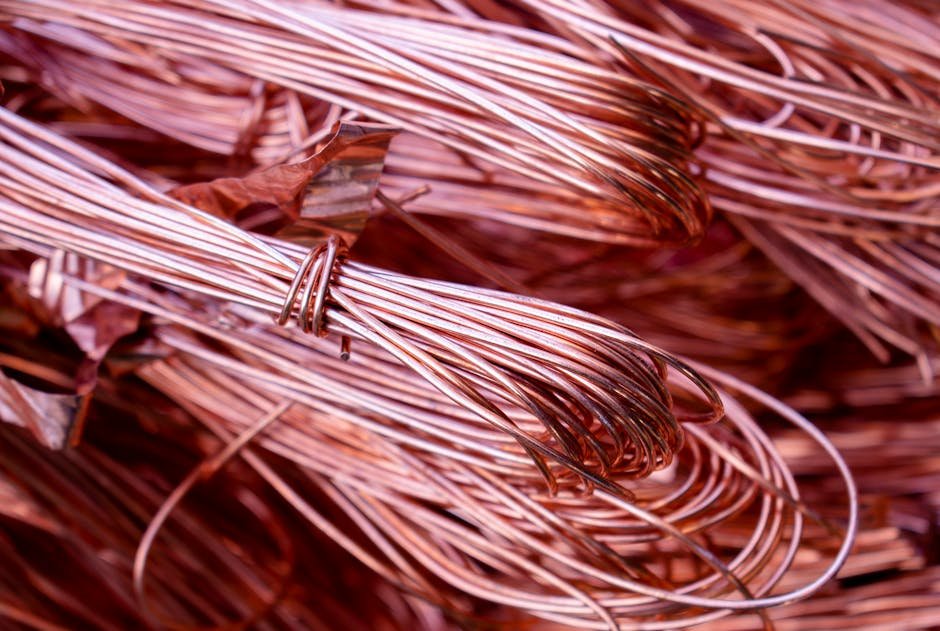
Electrical wire scrap refers to discarded copper and aluminum conductors removed from outdated or damaged electrical systems. This scrap is a vital component of the global recycling industry, particularly in Australia, where demand for reusable metals continues to grow. Recycling electrical wire scrap reduces the need for raw mining, lowers energy consumption, and decreases landfill waste. It’s commonly sourced from building demolitions, industrial upgrades, and electronic waste recycling facilities.
Companies like Scrap Trade Australia specialise in purchasing and processing various grades of wire scrap, ensuring materials are efficiently reused. For individuals and businesses, selling scrap wire can be profitable when they understand the different classifications and current market prices. You can learn more about industry operations by reading What Is Scrap Trade and its role in the circular economy.
Grades and Types of Electrical Wire Scrap
Not all electrical wire scrap is equal. Its value depends on the metal type, purity, and insulation. The two most common metals are copper and aluminum. Copper wire, especially bare bright copper, fetches the highest prices due to its superior conductivity and recyclability. Aluminum wire, while less valuable per kilogram, is still widely recycled, particularly from power lines and large cable installations.
Common grades include:
- Bare bright copper: Clean, unalloyed, and free of insulation
- Insulated copper: Coated wire, often from household wiring
- Aluminum cable scrap: Typically from overhead power lines or industrial use
- Dirty mixed wire: Contaminated or mixed materials with lower value
If you’re looking to sell aluminum-based materials, check out our guide on Buy Aluminum Cable Scrap Electrical Wire Conductor for tips on preparation and pricing.
Maximising Value from Wire Scrap Recycling
To get the best return on electrical wire scrap, proper sorting and preparation are essential. Removing plastic insulation increases value, as clean metal is easier and cheaper to process. Many recyclers use granulators or shredders to separate metal from non-metal components efficiently.
Staying informed about current market trends is also important. Check real-time scrap copper wire prices and copper wire scrap price updates to time your sales effectively. For those new to the industry, reading What Scrap Trade Actually Is provides a clear overview of how transactions work and what to expect.
Recycling wire scrap isn’t just profitable—it’s environmentally responsible. By returning metals to the production cycle, we reduce greenhouse gas emissions and conserve natural resources. Whether you’re a contractor, electrician, or DIY enthusiast, knowing how to handle and sell your scrap makes a difference. Visit Scrap.trade for tools, guides, and services tailored to the Australian recycling market.
Frequently Asked Questions
What is electrical wire scrap?
Electrical wire scrap consists of used copper or aluminum conductors recovered from old cables, wiring systems, and electronic devices. It is recycled to extract valuable metals for reuse in new electrical and industrial applications.
How is electrical wire scrap priced?
Pricing depends on the metal type, purity, and market demand. Copper generally commands higher prices than aluminum, and clean, un-insulated wire is worth more. Check current copper wire scrap price for up-to-date valuations.
Can I sell insulated wire as electrical wire scrap?
Yes, insulated wire is accepted by most recyclers, but it’s valued lower than stripped metal. Removing insulation increases return, as processors prefer clean conductive material for efficient recycling.
Where can I recycle electrical wire scrap in Australia?
You can recycle electrical wire scrap through local scrap metal yards or online platforms like Scrap Trade Australia. They offer collection, pricing guidance, and processing services for both copper and aluminum wire.