
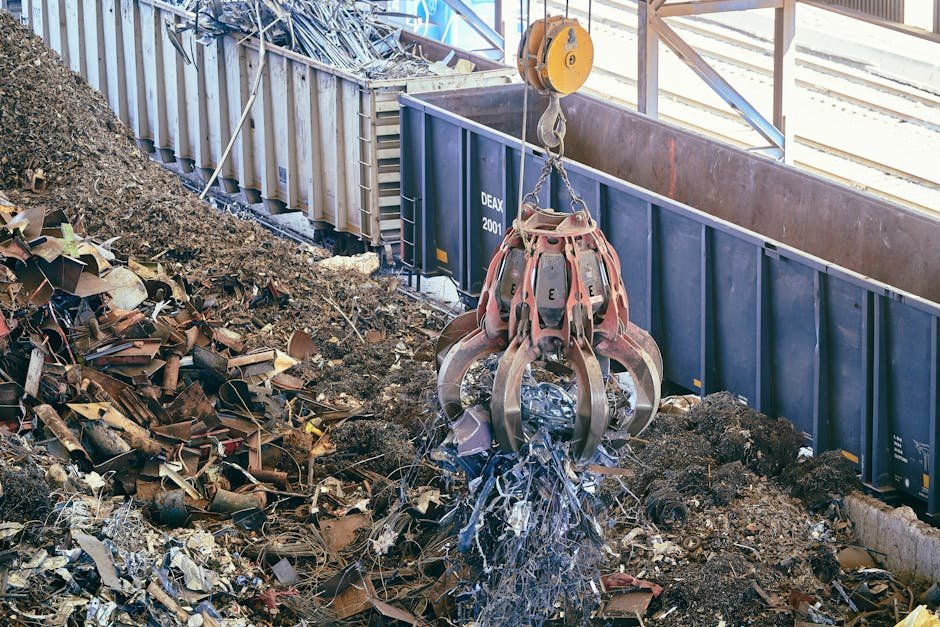

Understanding emr scrap prices today is crucial for anyone looking to sell scrap metal in Australia. The value of your scrap isn’t fixed; it’s a dynamic figure influenced by a complex interplay of market forces. This comprehensive guide will break down everything you need to know, from current market values and how prices are set, to the different grades of scrap metal and the environmental benefits of recycling. We’ll also cover how the recycling process works and provide practical tips for maximizing your returns.
Understanding Current Scrap Prices & Market Influences
The term “emr scrap prices today” refers to the value assigned to recyclable metal waste. These prices are rarely static. They change constantly, often multiple times a day, mirroring the movements of global commodity markets. Several key factors contribute to these fluctuations:
- Global Metal Demand: Demand from major industrial nations like China, India, and the US significantly impacts prices. Increased manufacturing activity typically drives up demand, and therefore, prices.
- Supply of Scrap Metal: The availability of scrap metal also plays a role. A surge in scrap supply can lower prices, while shortages can increase them.
- Currency Exchange Rates: Metal is often traded in US dollars. Fluctuations in the Australian dollar against the USD can affect the price received by Australian sellers.
- Economic Conditions: Overall economic health influences industrial production and, consequently, metal demand.
- Geopolitical Events: Political instability or trade disputes can disrupt supply chains and impact metal prices.
- Energy Prices: The energy-intensive nature of metal production means energy costs can influence pricing.
To stay informed about the latest metal prices today, it’s essential to consult reliable sources. Websites like Scrap Prices provide up-to-date information, as do industry news publications. Remember that prices quoted online are often indicative and can vary based on your location and the quantity of scrap you have.
How Scrap Metal Prices are Determined: Price Per Kg & Per Tonne
Scrap metal dealers typically quote prices either price per kg or price per tonne. The choice often depends on the quantity of scrap being sold. Smaller amounts are usually priced per kilogram, while larger volumes are priced per tonne. The price is also heavily dependent on the grade of the metal, which we’ll discuss in the next section.
Dealers determine their buying prices by considering the following:
- LME (London Metal Exchange) Prices: The LME is a global hub for metal trading, and its prices serve as a benchmark for scrap metal dealers.
- Processing Costs: Dealers incur costs for sorting, shredding, melting, and refining scrap metal. These costs are factored into the price they offer.
- Transportation Costs: The cost of transporting the scrap metal from your location to the processing facility is also considered.
- Market Competition: Dealers compete with each other for scrap metal, which can influence the prices they offer.
- Grade and Purity: Higher grades of scrap metal with greater purity command higher prices.
You can find Scrap Metal Prices updated regularly on our platform. It’s always a good idea to get quotes from multiple dealers to ensure you’re getting the best possible price. Don’t hesitate to ask about any deductions for impurities or processing fees.
Scrap Metal Grades: Identifying Your Material
Different types of scrap metal have different values. Understanding the various grades is crucial for maximizing your returns. Here’s a breakdown of some common scrap metal grades:
- Ferrous Metals: These metals contain iron and are magnetic. Examples include:
- Steel: The most common type of scrap metal. Prices vary depending on the grade (e.g., light steel, heavy steel, structural steel).
- Cast Iron: Often found in engine blocks and machinery.
- Iron Ore: Raw iron material.
- Non-Ferrous Metals: These metals do not contain iron and are not magnetic. They generally command higher prices than ferrous metals. Examples include:
- Aluminum: Lightweight and highly recyclable. Different alloys have different values.
- Copper: Excellent conductor of electricity. Prices are often high.
- Brass: An alloy of copper and zinc.
- Stainless Steel: Corrosion-resistant and valuable.
- Lead: Used in batteries and other applications.
- Zinc: Used in galvanizing and die-casting.
Accurate identification of your scrap metal is essential. If you’re unsure about the grade, consult with a reputable scrap metal dealer. They can help you identify the material and provide an accurate price quote. Searching for Scrap Metal Prices Near Me can help you find local experts.
The Scrap Metal Recycling Process: From Waste to Resource
The scrap metal recycling process is a multi-stage operation that transforms waste metal into valuable raw materials. Here’s a simplified overview:
- Collection: Scrap metal is collected from various sources, including households, businesses, construction sites, and demolition projects.
- Sorting: The collected scrap metal is sorted by grade and type. This is often done manually or using automated sorting technologies.
- Processing: The sorted scrap metal is processed to prepare it for melting. This may involve shredding, crushing, baling, or cleaning.
- Melting: The processed scrap metal is melted in a furnace.
- Refining: The molten metal is refined to remove impurities and achieve the desired composition.
- Casting/Production: The refined metal is cast into new products or used as raw material for manufacturing.
The entire process is designed to minimize waste and conserve natural resources. Recycling scrap metal requires significantly less energy than producing new metal from raw ore.
Environmental Benefits of Scrap Metal Recycling
Recycling scrap metal offers significant environmental benefits:
- Conserves Natural Resources: Recycling reduces the need to mine virgin ore, preserving valuable natural resources.
- Reduces Energy Consumption: Producing metal from scrap requires significantly less energy than producing it from raw ore.
- Reduces Greenhouse Gas Emissions: Lower energy consumption translates to reduced greenhouse gas emissions.
- Reduces Landfill Waste: Recycling diverts scrap metal from landfills, reducing landfill space and preventing soil and water contamination.
- Protects Ecosystems: Mining operations can have devastating impacts on ecosystems. Recycling reduces the need for mining, protecting these fragile environments.
By choosing to recycle your scrap metal, you’re contributing to a more sustainable future. You can find more information about responsible recycling practices on ScrapTrade.com.au.
Maximizing Your Returns: Tips for Selling Scrap Metal
Here are some practical tips for maximizing your returns when selling scrap metal:
- Sort Your Scrap: Separate different grades of metal to get the best possible price.
- Remove Non-Metal Contaminants: Remove any non-metal materials (e.g., plastic, wood, rubber) from your scrap.
- Clean Your Scrap: Clean scrap metal is generally worth more than dirty scrap.
- Get Multiple Quotes: Contact several scrap metal dealers to compare prices.
- Negotiate: Don’t be afraid to negotiate the price.
- Consider Transportation: Factor in transportation costs when comparing quotes.
- Stay Updated on today scrap metal prices: Knowing the current market value will help you negotiate effectively.
- Check today’s scrap metal prices before you sell.
Understanding Regional Variations in emr Scrap Prices Today
While global market trends heavily influence scrap prices, regional variations can occur. These variations are often due to factors such as:
- Transportation Costs: Areas further from processing facilities may have lower prices due to higher transportation costs.
- Local Demand: Local industrial activity can influence demand for specific types of scrap metal.
- Competition Among Dealers: The level of competition among scrap metal dealers in a particular area can affect prices.
- State Regulations: State regulations regarding scrap metal recycling can also impact prices.
It’s always best to check with local scrap metal dealers to get the most accurate price quotes for your area.
Conclusion: Staying Informed About emr Scrap Prices Today
Navigating the world of scrap metal recycling requires understanding the factors that influence emr scrap prices today. By staying informed about market trends, accurately identifying your scrap metal, and following the tips outlined in this guide, you can maximize your returns and contribute to a more sustainable future. Remember to utilize resources like Scrap Trade to access current pricing information and connect with reputable dealers.
Frequently Asked Questions
What is the best time to sell scrap metal?
Generally, prices tend to be higher during periods of strong industrial demand, often in the spring and fall. However, prices fluctuate constantly, so it’s best to monitor the market and sell when you see a favorable price.
What types of scrap metal are the most valuable?
Non-ferrous metals like copper, aluminum, brass, and stainless steel typically command higher prices than ferrous metals like steel and iron. The value also depends on the purity and grade of the metal.
Do I need to sort my scrap metal before selling it?
Yes, sorting your scrap metal by grade is highly recommended. Dealers will pay more for sorted scrap as it reduces their processing costs. Separating ferrous and non-ferrous metals is particularly important.
What are the environmental benefits of recycling scrap metal?
Recycling scrap metal conserves natural resources, reduces energy consumption, lowers greenhouse gas emissions, and minimizes landfill waste. It’s a crucial component of a sustainable economy and helps protect our environment.