
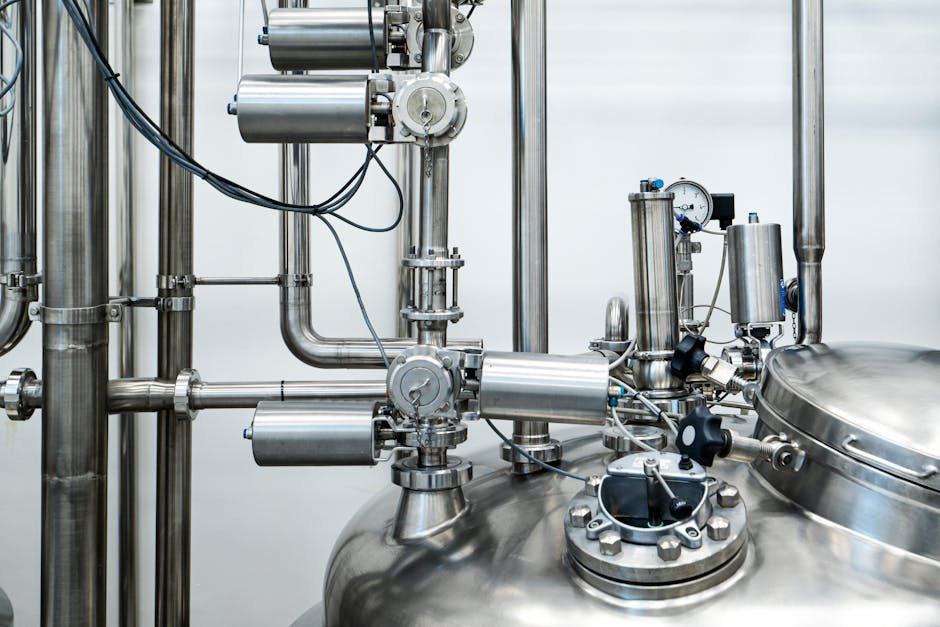

316 stainless steel seamless pipe is a high-performance alloy renowned for its durability, corrosion resistance, and versatility across industries. Its unique composition, including molybdenum, makes it ideal for marine, chemical, and food processing environments. For scrap metal traders, understanding its value, applications, and recycling processes is critical to maximizing returns in Australia’s competitive metal market.
What Is 316 Stainless Steel Seamless Pipe?
316 stainless steel is an austenitic stainless steel containing 16–18% chromium, 10–14% nickel, and 2–3% molybdenum. The seamless construction eliminates weld seams, making it resistant to pressure and leakage in high-stress applications. Compared to 304 stainless, 316 offers superior resistance to chlorides and seawater corrosion.
- Chromium enhances oxidation resistance.
- Nickel improves formability and toughness.
- Molybdenum boosts resistance to pitting in chloride environments.
Seamless manufacturing involves hot extrusion or cold drawing, ensuring structural integrity for applications in oil and gas, pharmaceuticals, and aerospace.
Applications and Industries Using 316 Stainless Steel Seamless Pipe
The alloy’s properties make it indispensable in sectors requiring high durability and hygiene:
- Marine Engineering: Used in desalination plants and shipbuilding due to seawater resistance.
- Chemical Processing: Handles aggressive solvents and acids without degradation.
- Medical Devices: Biocompatible and easy to sterilize for surgical instruments.
- Food and Beverage: Corrosion-free contact surfaces for dairy and brewing equipment.
In Australia, demand is driven by mining operations and coastal infrastructure projects. Recycling these pipes is economically viable, as molybdenum content increases scrap value compared to 304 stainless.
316 Stainless Steel vs. Other Alloys: Key Differences
Understanding distinctions between 316 and other grades is vital for scrap traders:
- 316 vs. 304 Stainless: 316 contains molybdenum, making it 2x more resistant to chlorides. It’s preferred in coastal regions prone to saltwater exposure.
- 316 vs. Mild Steel: Mild steel (a ferrous metal) corrodes rapidly in acidic environments, while 316 thrives in them.
- 316 vs. Non-Ferrous Metals: Non-ferrous metals like copper are lighter but lack 316’s malleability for high-pressure systems.
Scrap traders must test materials to avoid misclassification. Magnetic testing can help: 316 is non-magnetic in annealed form, unlike ferritic stainless steels.
Recycling 316 Stainless Steel Seamless Pipe: Value and Process
Recycling 316 seamless pipe is both environmentally and economically beneficial. In Australia, scrap processors melt down old pipes to create new alloys or sheet metal for construction. Key factors affecting its steel price per tonne include:
- Market demand for molybdenum-rich alloys
- Global stainless steel production trends
- Condition of scrap (clean vs. contaminated)
Scrap metal traders can use tools like the Stainless Steel Scrap Calculator to estimate returns. For updated pricing, refer to the Stainless Steel Scrap Price guide.
Practical Tips for Buying and Selling 316 Stainless Steel
Maximize profits by following these strategies:
- Verify Grade Accuracy: Use spectrometers or chemical tests to confirm 316 composition, especially when dealing with mixed stainless steel scrap.
- Partner with Manufacturers: Stainless steel manufacturers often have surplus materials for resale.
- Sort by Usage: Pipes from marine or chemical environments retain higher value due to specialized applications.
- Utilize Scrap Buyers: Metal Pipe Scrap Buyers specialize in seamless pipe recycling.
For bulk transactions, contact scraptrade.com.au to connect with verified buyers and sellers.
Market Trends and Future Outlook for 316 Stainless Steel
In 2024, Australia’s 316 stainless steel market is growing due to:
- Renewable Energy Projects: Solar and wind infrastructure requires corrosion-resistant piping.
- Urbanization: Coastal city developments boost demand for seawater-resistant materials.
- Government Recycling Incentives: Tax breaks for scrap recycling programs.
Traders should monitor steel price per tonne fluctuations, which are influenced by iron ore exports and global supply chain dynamics.
Conclusion: Why 316 Stainless Steel is a Staple in Recycling
316 stainless steel seamless pipe remains a critical material for industries and recyclers alike. Its ability to withstand extreme conditions while maintaining scrap value makes it a cornerstone of Australia’s scrap steel market. By understanding its properties, applications, and recycling processes, traders can optimize profits while supporting sustainable manufacturing.
FAQs About 316 Stainless Steel Seamless Pipe
Q1: How does 316 stainless steel differ from 304?
A1: 316 contains molybdenum, making it more resistant to chlorides and seawater corrosion than 304 stainless. This makes it ideal for marine and chemical applications.
Q2: Can 316 stainless steel be welded?
A2: Yes, but requires proper preheating and post-weld cleaning to maintain corrosion resistance. For industrial applications, consult stainless steel fabricators for expert welding services.
Q3: Why is 316 scrap more valuable than other stainless steels?
A3: The molybdenum content in 316 increases its alloying value, making it more desirable for high-performance applications and commanding higher scrap prices.
Q4: How to identify 316 stainless steel?
A4: Use a magnet (316 is typically non-magnetic in annealed form) or chemical testing. For large quantities, partner with stainless steel manufacturers for verification.
Frequently Asked Questions
How does 316 stainless steel differ from 304?
316 contains molybdenum, making it more resistant to chlorides and seawater corrosion than 304 stainless. This makes it ideal for marine and chemical applications.
Can 316 stainless steel be welded?
Yes, but requires proper preheating and post-weld cleaning to maintain corrosion resistance. For industrial applications, consult stainless steel fabricators for expert welding services.
Why is 316 scrap more valuable than other stainless steels?
The molybdenum content in 316 increases its alloying value, making it more desirable for high-performance applications and commanding higher scrap prices.
How to identify 316 stainless steel?
Use a magnet (316 is typically non-magnetic in annealed form) or chemical testing. For large quantities, partner with stainless steel manufacturers for verification.