
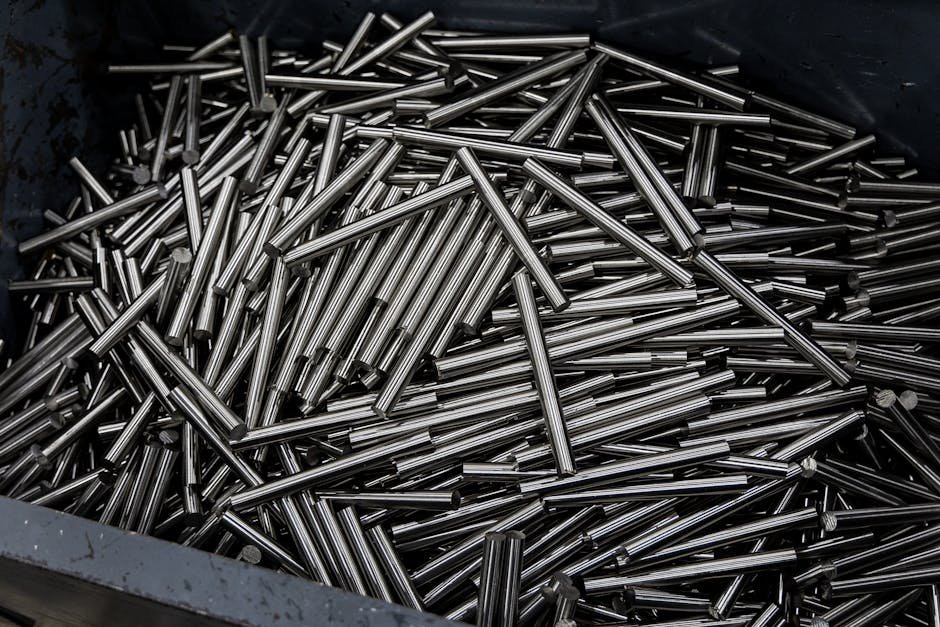

Understanding Stainless Suppliers in Australia
Stainless suppliers play a critical role in Australia’s industrial and recycling ecosystems. From manufacturing to scrap recovery, these suppliers offer a wide range of stainless steel grades, including 304 stainless and 316 stainless, which are the most commonly traded grades due to their corrosion resistance and versatility. Whether you’re sourcing new materials or selling stainless steel scrap, understanding the supplier landscape is essential for maximizing value.
Key Stainless Steel Grades and Their Applications
Stainless suppliers in Australia typically stock a variety of grades, each suited for specific purposes:
- 304 Stainless Steel: Known for its durability and resistance to corrosion, 304 is ideal for kitchen appliances, building facades, and industrial equipment. It contains 18% chromium and 8% nickel.
- 316 Stainless Steel: Adds molybdenum to resist chlorides, making it suitable for marine environments, chemical processing, and medical devices.
- 430 Stainless Steel: A ferritic grade with lower corrosion resistance but cost-effective for dry environments like automotive trims.
When working with stainless suppliers, confirm the exact grade to ensure it meets your project requirements. For scrap, grades like 304 and 316 command higher prices due to their widespread use in high-value applications.
Choosing the Right Stainless Supplier
Selecting a reliable stainless supplier involves evaluating several factors:
- Reputation and Certifications: Look for suppliers with ISO 9001 or other quality certifications. Verify reviews or industry referrals.
- Product Range: Ensure they offer the grades and forms (sheet, coil, scrap) you need. Melbourne and Brisbane have established suppliers with diverse inventories.
- Pricing Transparency: Reputable suppliers provide clear pricing for both new materials and non-ferrous scrap. Use tools like the Stainless Steel Scrap Calculator to estimate your returns.
- Logistics Support: Check if the supplier offers bulk delivery, recycling services, or international shipping for large-scale projects.
Recycling and Scrap Stainless Steel: A Growing Opportunity
Stainless steel is 100% recyclable, making stainless steel scrap a lucrative resource. Recycling reduces the need for virgin material and aligns with global sustainability goals. Here’s how to optimize this process:
- Separation by Grade: Mixtures of 304 and 316 scrap should be sorted to avoid devaluing the batch. Suppliers may offer lower prices for unsorted materials.
- Scrap Processing: Work with suppliers who can handle non-ferrous materials. For example, using our calculator helps determine the market value based on current weights and grades.
- Local vs. Export Markets: Australia exports a significant portion of its stainless scrap. For international opportunities, refer to Best Way To Find International Scrap Suppliers to connect with global buyers.
Practical Tips for Engaging with Stainless Suppliers
Maximize your interactions with stainless suppliers by following these strategies:
- Request Samples: Before large purchases, test small quantities to verify quality and consistency.
- Negotiate Bulk Discounts: Long-term partnerships often come with volume-based pricing. For scrap, inquire about minimum order thresholds for premium rates.
- Stay Updated on Market Trends: Prices for 304 and 316 fluctuate with global demand. Track stainless scrap prices to time your sales effectively.
- Use Digital Tools: Platforms like ScrapTrade and ScrapTrade Australia streamline sourcing, pricing, and logistics for stainless materials.
Key Markets for Stainless Suppliers in Australia
Australia’s major cities host robust networks of stainless suppliers:
- Melbourne: A hub for manufacturing and recycling, with suppliers like stainless steel melbourne suppliers offering both new and recycled stock.
- Brisbane: Known for its construction and mining industries, stainless steel brisbane suppliers cater to infrastructure projects and marine applications.
- Perth and Adelaide: Growing centers for renewable energy and agricultural equipment, driving demand for 316 stainless.
Conclusion: Partnering with Trusted Stainless Suppliers
In Australia’s competitive market, partnering with reliable stainless suppliers ensures access to quality materials and profitable recycling opportunities. Whether you’re sourcing 304 stainless for construction or selling stainless scrap for export, prioritize suppliers who offer transparency, flexibility, and sustainability. For real-time pricing and international connections, leverage ScrapTrade to stay ahead in the stainless steel industry.
FAQs About Stainless Suppliers in Australia
Frequently Asked Questions
Which stainless steel grade is most valuable for scrap?
316 stainless typically commands higher scrap prices than 304 due to its molybdenum content. Use the Stainless Steel Scrap Calculator to verify current rates.
How do I find local stainless suppliers?
Search online directories like ScrapTrade or contact Melbourne and Brisbane suppliers directly. Many list delivery zones and product inventories.
Can I sell stainless steel scrap internationally?
Yes, Australia exports stainless scrap to countries like China and India. Refer to Best Way To Find International Scrap Suppliers for guidance on global buyers.
What documents do I need to work with stainless suppliers?
Prepare a certificate of analysis (COA) for scrap to confirm grades, plus business registration for bulk orders. Reputable suppliers will provide these for traceability.