

Stainless steel prices for scrap fluctuate based on global steel demand, raw material costs, and recycling industry dynamics. In 2026, stainless steel prices for scrap in Australia are influenced by the value of 304 and 316 stainless grades, which contain varying amounts of chromium, nickel, and molybdenum. Understanding these factors is critical for traders, recyclers, and industrial buyers to maximize returns and sustainability efforts.
Overview of the Australian Scrap Metal Market
The Australian scrap metal industry processes over 12 million tonnes of metal waste annually, with stainless steel accounting for 8-10% of total scrap volumes. Unlike ferrous metals like mild steel, stainless steel retains high value due to its non-corrosive properties and reusable content. Scrap prices for stainless steel are categorized by grade, purity, and alloy composition, creating a complex yet lucrative market for informed participants.
Current Market Value Per KG for Stainless Steel Scrap
As of Q2 2026, stainless steel scrap metal prices in Australia range from $1.50 to $4.50 per kg, depending on the grade:
- 304 Stainless Steel: $1.50-$2.50/kg (most common grade, used in kitchenware and industrial equipment)
- 316 Stainless Steel: $3.00-$4.50/kg (high-value grade with molybdenum for marine and chemical applications)
- 201/202 Stainless Steel: $0.80-$1.20/kg (lower-grade alloys with reduced nickel content)
Prices are quoted per kilogram to reflect the high density and valuable alloy content of stainless steel. Stainless steel scrap buyers in major hubs like Sydney, Melbourne, and Brisbane often pay premiums for clean, sorted scrap in bulk quantities.
Factors Influencing Stainless Steel Scrap Prices
Market volatility in stainless steel prices for scrap is driven by multiple interconnected factors:
- Global Steel Demand: Steel price per tonne (typically $400-$600/tonne in 2026) affects recycling economics.
- Raw Material Costs: Rising nickel prices (currently $15,000-$18,000/tonne) directly impact 316 stainless value.
- Supply Chain Disruptions: Port congestion and freight costs influence regional price spreads.
- Government Policies: Australia’s 75% recycling target for industrial metals drives demand for high-grade scrap.
Seasonal fluctuations also occur, with prices peaking during Q3-Q4 due to increased infrastructure projects and manufacturing activity.
Grades of Stainless Steel Scrap and Their Value
Stainless steel is classified into 200, 300, and 400 series based on alloy composition:
| Grade | Composition | Typical Applications | Scrap Value Range |
|---|---|---|---|
| 304 (18/8) | 18% chromium, 8% nickel | Kitchen equipment, architectural | $1.50-$2.50/kg |
| 316 (18/8/2) | 16% chromium, 10% nickel, 2% molybdenum | Marine hardware, chemical vessels | $3.00-$4.50/kg |
| 430 (16% chromium) | No nickel | Car exhausts, household appliances | $0.70-$1.00/kg |
304 and 316 stainless dominate the market due to their widespread industrial use. Scrap buyers often use spectrometers to verify alloy content, as mislabeled grades can significantly affect pricing.
How Recycling Works in the Stainless Steel Scrap Industry
The recycling process involves three key stages:
- Collection: Sheet metal, machinery parts, and construction waste are sorted by grade.
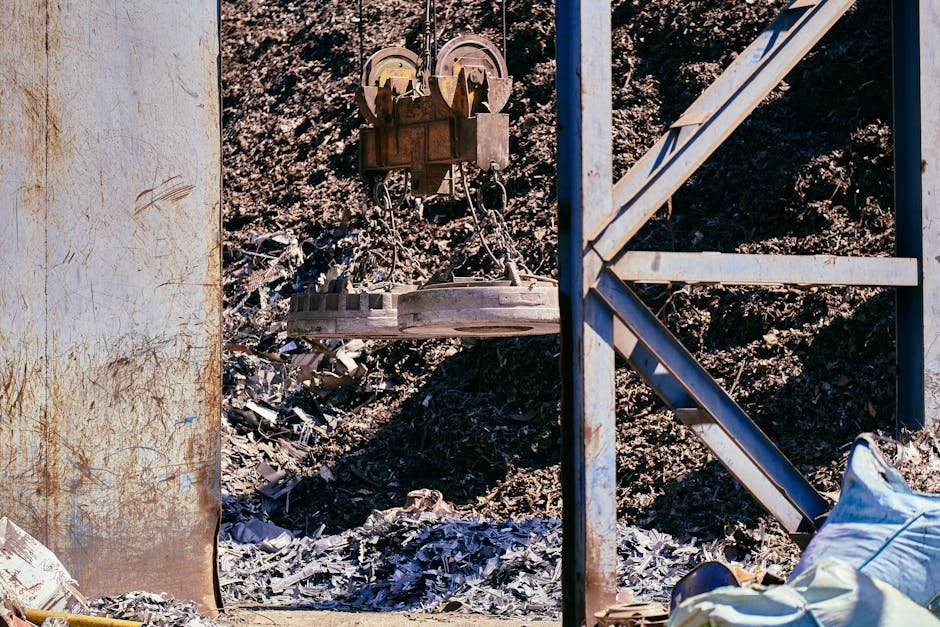
- Processing: Shredding, magnetic separation, and screening remove contaminants.
- Smelting: Molten metal is cast into ingots for reuse in new stainless steel production.
Modern facilities can recycle stainless steel into new products with 95% energy efficiency compared to virgin production. ScrapTrade operates advanced processing centers in Perth and Adelaide, achieving 98% metal recovery rates.
Environmental Benefits of Stainless Steel Recycling
Recycling stainless steel saves 70% of the energy required to produce new steel and reduces carbon emissions by 65%. Key benefits include:
- Resource Conservation: Recycling 1 tonne of stainless steel saves 1.5 tonnes of iron ore.
- Landfill Reduction: Australia’s 30% industrial metal recycling rate could double with better sorting systems.
- Economic Impact: The industry supports 12,000 jobs and generates $2.3 billion annually in Australia.
Government incentives and corporate sustainability goals are driving innovation in scrap metal recovery technologies.
Practical Tips for Maximizing Stainless Steel Scrap Value
- Sort scrap by grade using color-coded tags or alloy testing kits.
- Remove contaminants like paint, dirt, and other metals before selling.
- Compare prices from multiple stainless steel scrap buyers in your region weekly.
- Consider selling large quantities through online platforms like ScrapTrade for competitive rates.
Keeping track of stainless steel prices for scrap through apps and industry newsletters ensures you secure fair compensation during price fluctuations.
Future Outlook for Stainless Steel Scrap Prices
Market analysts predict a 5-10% increase in stainless steel scrap prices through 2027 due to:
- Increased adoption of renewable energy infrastructure (wind turbines, solar panels use stainless steel components)
- Depletion of primary nickel reserves driving up 316 stainless value
- Government mandates for 80% recycling rates by 2028
Investors and recyclers should monitor these trends to optimize their operations and capitalize on rising demand.
Related: stainless steel scrap metal prices
Related: stainless steel scrap buyers
Frequently Asked Questions
How are stainless steel scrap prices determined in Australia?
Stainless steel scrap prices are set based on global steel market trends, alloy composition (e.g., 304 vs 316 stainless), and supply-demand dynamics. Prices also reflect processing costs and buyer location.
What’s the difference between 304 and 316 stainless steel scrap?
304 stainless contains 18% chromium and 8% nickel, while 316 adds 2% molybdenum for corrosion resistance. This makes 316 stainless 30-50% more valuable per kg in the scrap market.
How can I sell stainless steel scrap for the best price?
Sort scrap by grade, remove contaminants, and compare offers from multiple stainless steel scrap buyers. Selling through online platforms like ScrapTrade often yields competitive rates.
Why is stainless steel recycling more valuable than mild steel?
Stainless steel contains high-value alloys like nickel and chromium that can be reused. Mild steel lacks these elements and typically fetches 30-50% less per kg in the scrap market.