
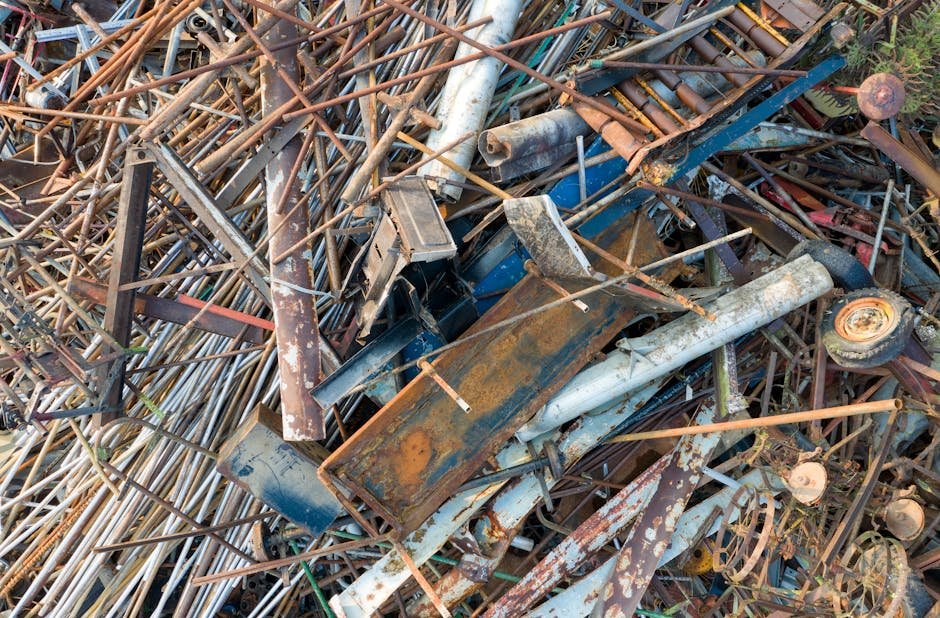

The stainless scrap metal price is a critical consideration for businesses and individuals in Australia’s recycling and metal trading industry. Understanding this market requires analyzing grades of stainless steel, global supply chains, and environmental impacts. This guide provides expert insights into pricing mechanisms, market trends, and the recycling process, with actionable tips to maximize value from stainless steel scrap.
Understanding Stainless Steel Grades and Their Impact on Pricing
Stainless steel is categorized into grades based on composition and corrosion resistance. Two of the most common grades in the stainless scrap metal price market are:
- 304 stainless: Composed of 18% chromium and 8% nickel, this grade is widely used in food processing equipment, kitchen appliances, and construction. Its high nickel content makes it one of the most valuable scrap grades.
- 316 stainless: Contains molybdenum for enhanced corrosion resistance, ideal for marine environments and chemical processing. The stainless scrap metal price for 316 is typically 10-20% higher than 304 due to its specialty applications.
Non-ferrous metals like copper and aluminum are often mixed with stainless steel in scrap, affecting overall value. Sorting and separating these materials is critical for accurate pricing.
How Prices Are Determined in the Stainless Scrap Metal Market
The stainless scrap metal price is influenced by a combination of global and local factors:
- Raw material costs: Nickel, chromium, and molybdenum—key components of stainless steel—see price fluctuations due to mining production, geopolitical tensions, and currency exchange rates.
- Supply and demand dynamics: Construction booms or manufacturing downturns directly impact demand for recycled stainless steel. For example, the 2023 Sydney infrastructure projects increased local demand, pushing stainless steel scrap prices above $2.30/kg.
- Recycling efficiency: Advanced sorting technologies, such as magnetic separation and XRF scanning, improve recovery rates and justify higher prices for sorted, high-grade scrap.
To stay informed, reference the Scrap Price Forecast Guide for predictive analytics and historical trends.
Current Market Trends and Price Per Kg
As of 2024, the stainless scrap metal price in Australia reflects global economic conditions:
- 304 stainless: $1.80-$2.10 per kg (sorted), $1.20-$1.50 per kg (mixed)
- 316 stainless: $2.20-$2.50 per kg (sorted), $1.60-$1.90 per kg (mixed)
- Industry benchmark: The scrap metal price per tonne for stainless steel ranges from $1800 to $2500, depending on contamination levels and shipment volume.
Regional variations exist. For instance, the scrap metal price Sydney market often commands premiums for large, clean 304 shipments due to proximity to major processing facilities.
Factors Affecting Stainless Scrap Metal Prices
Several variables influence the stainless scrap metal price at any given time:
- Global trade policies: Tariffs on imported stainless steel from China or Germany can suppress domestic prices by increasing supply.
- Energy costs: Recycling stainless steel requires significant energy for melting and refining. Rising natural gas prices reduce profit margins, indirectly affecting scrap prices.
- Environmental regulations: Stricter emissions standards for smelters may increase processing costs, pushing prices upward.
- Seasonality: Construction activity peaks in Q2-Q3, driving higher demand for recycled stainless in Australia’s building sector.
For real-time scrap metal price Sydney updates or nationwide data, consult the Scrap Trade platform.
Environmental and Economic Benefits of Recycling
Recycling stainless steel reduces environmental impact while offering economic advantages:
- Resource conservation: Recycling 1 tonne of stainless steel saves 1.5 tonnes of iron ore and 0.5 tonnes of chromium.
- Energy savings: Producing recycled stainless uses 70% less energy than virgin steelmaking.
- Carbon footprint: Australia’s Scrap Trade network prevents over 500,000 tonnes of CO2 emissions annually through efficient recycling systems.
By prioritizing clean, sorted scrap, businesses can contribute to a circular economy while securing higher stainless scrap metal price offers.
Practical Tips for Maximizing Scrap Value
To achieve the best returns when selling stainless steel scrap:
- Sort materials: Separate 304 from 316 and remove non-ferrous metals. Mixed scrap fetches 30-40% less than sorted loads.
- Check current scrap prices: Use the Stainless Steel Scrap Price tool to compare offers from local recyclers.
- Time your sales: Monitor the Scrap Price Forecast Guide to sell during peak demand periods.
- Prepare documentation: Provide certificates of origin for industrial-grade scrap to justify premium pricing.
For immediate quotes and logistics support, visit ScrapTrade or use the Sell Scrap Metal Near Me In 2026 locator tool.
Future Outlook for Stainless Scrap Markets
Industry analysts predict a 5-7% increase in stainless scrap metal price through 2025 due to:
- Expanded renewable energy projects requiring corrosion-resistant stainless components
- Increased adoption of electric vehicles using stainless steel in battery casings
- Australia’s 40% target for recycled content in new construction by 2030
Investors should also consider scrap metal price per tonne trends when evaluating long-term storage or bulk purchasing strategies.
Conclusion: Navigating the Stainless Scrap Market
The stainless scrap metal price landscape in Australia requires continuous monitoring of global markets, technological advancements, and regulatory changes. By understanding grade differentials, sorting techniques, and demand drivers, stakeholders can optimize returns while supporting sustainable practices.
For the latest pricing data and recycling solutions, visit ScrapTrade or consult the Stainless Steel Scrap Price hub for in-depth analysis.
FAQs About Stainless Scrap Metal
How are stainless scrap metal prices set?
Pricing depends on global commodity markets, nickel/chromium costs, and local demand. Sorted 304 and 316 grades typically command a 30-50% premium over mixed scrap.
Why is 316 stainless more expensive than 304?
316 contains molybdenum for corrosion resistance, making it suitable for marine and chemical applications. Its higher nickel content and specialty use cases justify the price difference.
How can I check current stainless scrap prices?
Use the Stainless Steel Scrap Price tool for real-time data or contact certified recyclers for custom quotes based on your scrap type and location.
What’s the best way to store stainless scrap before selling?
Keep materials dry to prevent rust, sort by grade, and document provenance. Clean, organized scrap attracts higher bids from processors.
Frequently Asked Questions
How are stainless scrap metal prices set?
Pricing depends on global commodity markets, nickel/chromium costs, and local demand. Sorted 304 and 316 grades typically command a 30-50% premium over mixed scrap.
Why is 316 stainless more expensive than 304?
316 contains molybdenum for corrosion resistance, making it suitable for marine and chemical applications. Its higher nickel content and specialty use cases justify the price difference.
How can I check current stainless scrap prices?
Use the Stainless Steel Scrap Price tool for real-time data or contact certified recyclers for custom quotes based on your scrap type and location.
What’s the best way to store stainless scrap before selling?
Keep materials dry to prevent rust, sort by grade, and document provenance. Clean, organized scrap attracts higher bids from processors.