
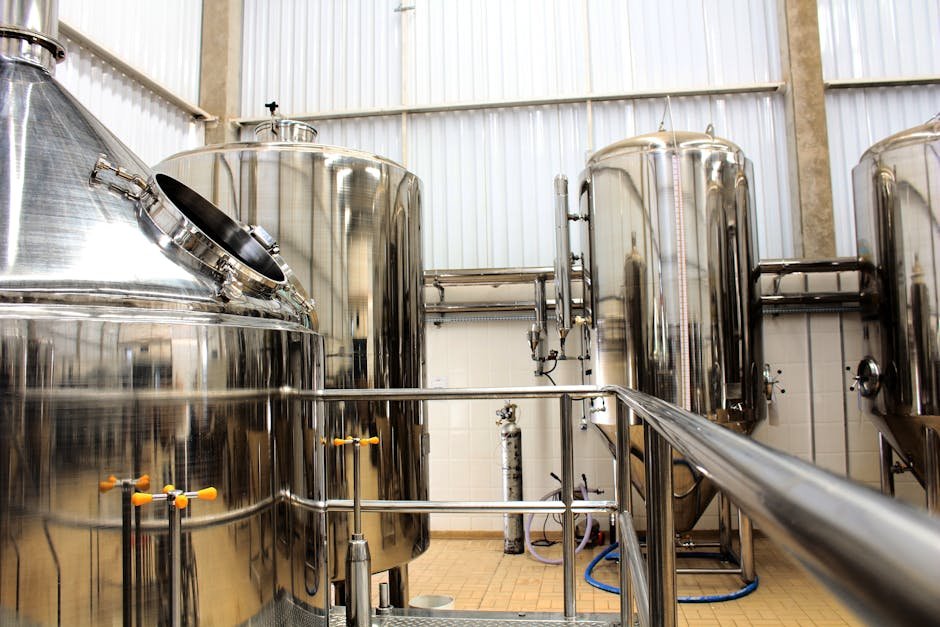

When searching for reliable stainless steel suppliers qld, businesses need a clear view of grades, pricing, logistics, and sustainability options to make informed purchasing decisions.
Overview of the Queensland Stainless Steel Market
Queensland’s ferrous metal sector has grown steadily over the past decade, driven by construction, mining, and infrastructure projects. Stainless steel, a corrosion‑resistant alloy, is a cornerstone of these industries because it combines strength with durability in harsh environments. The market is dominated by a mix of local distributors, global manufacturers with regional offices, and specialist recyclers who turn scrap steel into feedstock for new production. Understanding the supply chain—from primary production of 304 and 316 stainless to the secondary market for stainless steel scrap—is essential for any buyer looking to optimise cost and performance.
Key Stainless Steel Grades and Their Applications
Two grades dominate the Queensland market: 304 stainless and 316 stainless. Both are austenitic alloys, but they differ in alloying elements and corrosion resistance.
- 304 stainless: Contains 18‑20% chromium and 8‑10.5% nickel. It is the workhorse for kitchen equipment, architectural cladding, and general‑purpose sheet metal. Its formability makes it ideal for bending, welding, and deep‑draw applications.
- 316 stainless: Adds 2‑3% molybdenum, enhancing resistance to chloride‑induced pitting. It is preferred for marine environments, chemical processing plants, and medical devices where exposure to salt water or aggressive chemicals is routine.
Both grades are available as sheet metal, plate, bar, and pipe, allowing buyers to source the exact form factor they need. When evaluating stainless steel suppliers qld, verify that the supplier can provide mill test reports (MTRs) for each grade to guarantee composition and mechanical properties.
How to Choose the Right Supplier in Queensland
Choosing a supplier is more than comparing price per tonne. Consider the following criteria:
- Reputation and certifications: Look for ISO 9001 or ISO 14001 accreditation, which signal robust quality and environmental management systems.
- Inventory depth: Suppliers that stock both 304 and 316 in multiple forms reduce lead times, especially important for fast‑track construction projects.
- Logistics capability: Queensland’s geography means reliable transport—whether via road, rail, or port—is crucial. Ask about delivery windows, freight costs, and whether the supplier offers drop‑shipping directly to site.
- Pricing transparency: A clear breakdown of the steel price per tonne, including any surcharges for alloying elements, helps you forecast budgets accurately.
- Recycling program: Suppliers that accept stainless steel scrap and provide a scrap price calculator can improve your bottom line. See our Stainless Steel Scrap Price page for current rates.
Two regional examples illustrate these points: the stainless steel melbourne suppliers network offers extensive inventory and a strong logistics platform, while the stainless steel brisbane suppliers focus on rapid delivery and on‑site cutting services.
Pricing Trends and Steel Price per Tonne in 2026
As of Q1 2026, the average steel price per tonne for 304 stainless sits around AU$2,850, while 316 stainless commands a premium of roughly AU$3,200 per tonne due to the added molybdenum. Prices fluctuate based on global nickel and chromium markets, exchange rates, and local demand spikes from mining expansions in the Bowen Basin.
To stay competitive, many Queensland manufacturers integrate scrap steel back into production. This circular approach lowers raw material costs and aligns with government sustainability targets. For real‑time pricing, use our Stainless Steel Scrap Calculator Estimate Your Material Value tool, which incorporates current market rates and regional freight adjustments.
Stainless Steel Recycling and Scrap Value
Recycling stainless steel is both environmentally responsible and economically advantageous. Stainless steel scrap retains up to 95% of its original alloy content, meaning it can be remelted with minimal loss of performance. The recycling loop reduces the need for virgin ore extraction, cuts energy consumption by up to 60%, and lessens greenhouse‑gas emissions.
When you sell scrap, the price you receive depends on grade purity, contamination level, and market demand. Clean 304 scrap typically fetches a higher rate than mixed‑grade material. Our guide on Stainless Steel Recycling How To Sell Scrap For Maximum Profit outlines best practices for segregation, de‑oiling, and documentation to maximise your return.
Regulatory and Compliance Considerations
Queensland adheres to both Australian Standards (AS/NZS 1554 for welding, AS 4360 for corrosion testing) and international specifications (ASTM A240 for plate). Suppliers must provide certification that their products meet these standards. Additionally, the Australian government enforces strict waste‑management legislation under the National Environment Protection (Used Packaging Materials) Measure, which governs the handling of metal scrap.
Compliance verification includes:
- Reviewing mill test reports for chemical composition.
- Ensuring the supplier holds a valid waste‑carrier licence for transporting scrap.
- Confirming that the supplier participates in the Australian Steel Recycling Initiative, which tracks material flow and promotes circular economy goals.
Practical Tips for Purchasing Stainless Steel in Queensland
To get the best value and performance from your stainless steel purchases, follow these actionable steps:
- Define your grade and form early: Knowing whether you need 304 sheet metal, 316 pipe, or custom‑cut bar reduces quote errors.
- Request multiple quotes: Compare at least three reputable stainless steel suppliers qld to gauge price per tonne, delivery terms, and service levels.
- Inspect material on delivery: Use a portable hardness tester and visual inspection to confirm grade compliance before signing off.
- Leverage scrap programs: Arrange a take‑back agreement for off‑cuts; this can offset up to 10% of your material cost.
- Monitor market indices: Subscribe to the Australian Steel Price Index (ASPI) to anticipate price swings and time purchases strategically.
For a broader view of the Australian metal market, visit Scrap Trade, a leading portal for real‑time pricing and supplier directories. For localized services and a dedicated customer support team, explore ScrapTrade Australia.
Conclusion: Building a Sustainable Supply Chain
Queensland’s stainless steel landscape offers a blend of high‑grade alloys, competitive pricing, and robust recycling infrastructure. By selecting accredited stainless steel suppliers qld, monitoring steel price per tonne trends, and integrating scrap recovery into your operations, you can achieve cost efficiencies while meeting environmental targets. The strategic use of tools like our Stainless Steel Scrap Price tracker and the Stainless Steel Scrap Calculator Estimate Your Material Value ensures you stay ahead of market fluctuations and maximise profit on both new purchases and scrap sales.
Frequently Asked Questions
What are the main differences between 304 and 316 stainless steel?
304 stainless contains chromium and nickel but no molybdenum, making it suitable for most indoor applications. 316 adds molybdenum, which significantly improves resistance to chloride‑induced pitting, ideal for marine and chemical environments.
How can I verify the quality of stainless steel from a Queensland supplier?
Request a mill test report (MTR) that details chemical composition, tensile strength, and certification against Australian Standards. Conduct a visual inspection and, if possible, a portable hardness test upon delivery.
Is it more cost‑effective to buy new stainless steel or recycle scrap?
Recycling stainless steel scrap can reduce material costs by up to 20% while also meeting sustainability goals. However, for critical applications requiring specific grades, new material may be necessary to guarantee performance.
What factors influence the steel price per tonne in Queensland?
Global nickel and chromium prices, exchange rates, local demand from construction and mining, and the availability of scrap steel all impact the steel price per tonne. Monitoring the Australian Steel Price Index helps anticipate changes.