
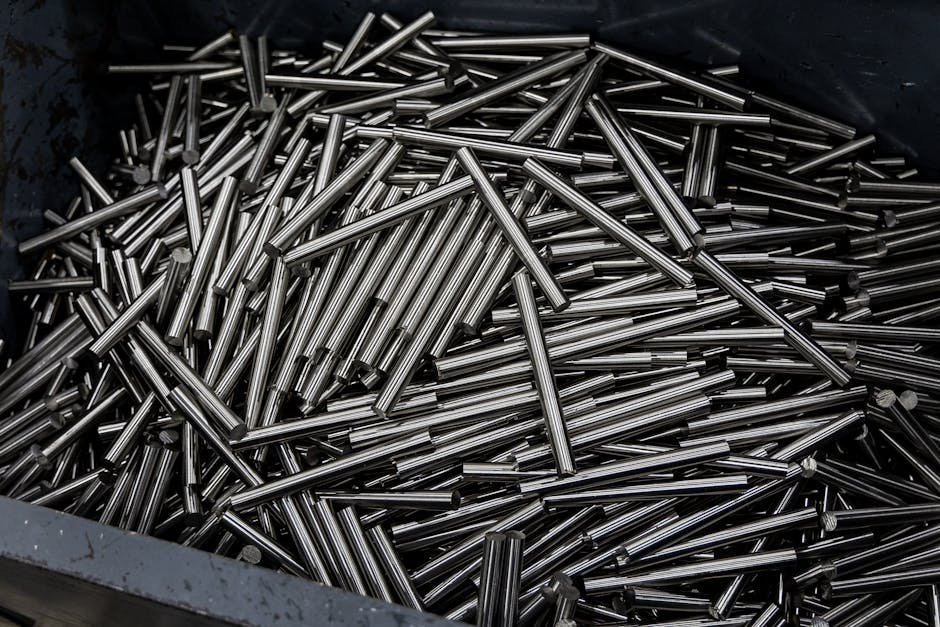

The price of stainless steel is a dynamic metric influenced by global trade, material grades, and local recycling demand. In Australia, stainless steel scrap prices are closely monitored by traders, manufacturers, and recyclers, with fluctuations driven by factors such as the value of stainless steel scrap, global iron ore markets, and the distinction between ferrous and non-ferrous metals. This guide provides an expert breakdown of current market values, pricing mechanisms, and actionable strategies for optimizing profitability in stainless steel transactions.
Understanding the Current Market Value of Stainless Steel
As of 2024, the price of stainless steel per kg in Australia varies significantly based on grade, form (sheet metal, rod, or scrap), and market conditions. For example:
- 304 stainless: $2.20–$2.80 per kg (common in construction and food-grade applications).
- 316 stainless: $2.80–$3.50 per kg (resists corrosion in marine environments).
- Stainless steel scrap: $1.50–$2.50 per kg (varies by purity and grade).
These figures contrast sharply with mild steel prices, which typically sit around $0.80 per kg for scrap. The higher value of stainless steel stems from its nickel and chromium content, making it non-ferrous and resistant to rust. For real-time quotes, check platforms like ScrapTrade, which aggregates pricing data from certified recyclers across the country.
How Stainless Steel Prices Are Determined
The price of stainless steel is set through a combination of global and local factors:
1. Global Nickel and Chromium Markets
Nickel accounts for 8–12% of stainless steel’s composition, making its price the most significant driver. For instance, a 20% increase in nickel costs can raise 304 stainless prices by $0.40 per kg. Similarly, chromium, used in 316 stainless, is sensitive to demand from automotive and chemical industries.
2. Ferrous Metal Benchmarking
Prices often correlate with the steel price per tonne of ferrous metals like mild steel, though stainless commands a premium due to its corrosion resistance. When ferrous prices drop, recyclers may prioritize stainless to maintain margins.
3. Local Supply and Demand
Australia’s mining and manufacturing sectors create cyclical demand. For example, construction booms in Sydney and Melbourne increase demand for stainless steel sheet price materials, pushing prices upward. Conversely, oversupply in scrap yards can depress sheet of stainless steel values.
4. Recycling Incentives
Recyclers pay premiums for high-purity grades like 304 stainless, as these require less refining. Contaminated scrap (e.g., mixed grades) may fetch 15–20% less. Platforms like Scrap Trade offer tools to assess scrap quality and maximize returns.
Factors Affecting the Cost of Stainless Steel
1. Grade Composition
Different grades have distinct values:
- 304 stainless (18% chromium, 8% nickel): Most common and stable in price.
- 316 stainless (2% molybdenum): Higher value due to superior corrosion resistance.
- 430 stainless (16% chromium): Lower cost, used in low-stress applications.
2. Geopolitical Events
Trade policies and conflicts impact supply chains. For example, tariffs between China and Australia in 2020 reduced stainless steel imports by 15%, temporarily increasing local prices.
3. Seasonal Demand
Construction and food manufacturing sectors drive seasonal demand. Prices typically peak in Q3 and Q4 when projects accelerate.
4. Currency Fluctuations
The Australian dollar’s strength against the US dollar affects import costs. A weaker AUD increases expenses for nickel and chromium, which are priced in USD.
Practical Tips for Buyers and Sellers
Whether you’re purchasing stainless steel for manufacturing or selling scrap, these strategies ensure cost-efficiency:
- Track Global Markets: Use platforms like Scrap Trade to monitor nickel and chromium prices before negotiating.
- Grade Sorting: Separate 304 and 316 stainless scrap to avoid devaluing batches with lower grades.
- Time Sales Strategically: Sell during Q3 when recyclers pay premiums for construction-related stainless.
- Compare Quotes: Request bids from multiple recyclers to find the best stainless scrap price.
Comparing Stainless Steel to Other Metals
Understanding how stainless steel prices interact with other materials helps in strategic decision-making:
- Scrap Steel vs. Stainless: Mild steel scrap averages $0.80 per kg, while stainless commands $1.50–$3.00 per kg.
- Aluminum: At $2.00 per kg, aluminum is more expensive than stainless but lighter. This makes it preferable for aerospace applications despite higher costs.
- Copper: At $7.50 per kg, copper is the most valued non-ferrous metal but less commonly recycled than stainless steel.
Long-Term Trends in Stainless Steel Pricing
Experts predict a 5–10% increase in stainless steel prices over the next five years due to:
- Green steel initiatives requiring higher-grade stainless for renewable energy infrastructure.
- Declining nickel supply from top producers like Indonesia and Russia.
- Automation in construction, which requires corrosion-resistant sheet of stainless steel for robot-friendly environments.
Conclusion
The price of stainless steel in Australia is shaped by a complex interplay of global markets, material grades, and local economic conditions. By leveraging tools like Scrap Trade for real-time data and partnering with certified recyclers, stakeholders can navigate price fluctuations and optimize their investments. For further insights, explore our guides on stainless steel pricing per pound and stainless steel scrap values.
Frequently Asked Questions
Why does the price of stainless steel fluctuate so much?
The price of stainless steel fluctuates due to global demand for nickel and chromium, geopolitical events affecting supply chains, and seasonal variations in construction and manufacturing sectors.
How can I determine the value of my stainless steel scrap?
To assess your stainless steel scrap’s value, identify the grade (e.g., 304 stainless, 316 stainless), check purity, and compare quotes from recyclers using platforms like Scrap Trade.
What’s the difference between 304 and 316 stainless steel prices?
316 stainless typically costs 10–20% more than 304 stainless due to its molybdenum content, which enhances corrosion resistance. This makes 316 ideal for marine and chemical applications.
Is recycling stainless steel economically viable?
Yes, recycling stainless steel is profitable. High demand for nickel and chromium in manufacturing, combined with stainless steel scrap premiums, makes it one of the most lucrative non-ferrous metals to recycle.