
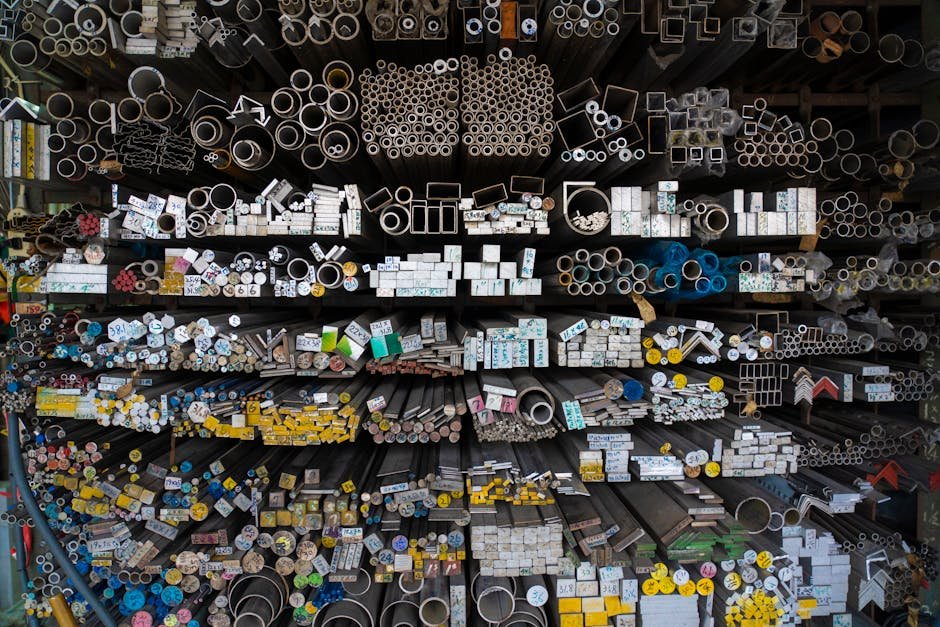

Stainless steel supply is a critical component of Australia’s metal recycling industry, driven by demand for durable, corrosion-resistant materials. From construction to manufacturing, stainless steel is indispensable. This guide explores sourcing, grading, pricing, and strategies to maximize value from stainless steel scrap, with insights tailored to Australian markets.
Understanding Stainless Steel Supply in Australia
The stainless steel supply in Australia is influenced by global demand, recycling initiatives, and industrial activity. Australia produces significant stainless steel for sale, with major ports like Newcastle serving as hubs for import and export. Key players in the stainless steel Newcastle market include manufacturers, scrap yards, and recyclers. The industry relies on efficient sorting and grading of scrap to meet international standards.
Types of Stainless Steel in the Supply Chain
Stainless steel is categorized into grades based on composition and properties. The most common types in the Australian supply chain include:
- 304 stainless: A versatile, 18/8 alloy (18% chromium, 8% nickel) used in kitchenware, architectural applications, and industrial equipment.
- 316 stainless: Contains molybdenum for enhanced corrosion resistance, ideal for marine environments and chemical processing.
- Ferrous metals: Though not stainless, ferrous materials like mild steel often coexist in scrap streams and require separation for recycling.
Recyclers must distinguish between these grades, as stainless steel scrap commands higher prices than ferrous metal due to its purity and reusability.
Sourcing Stainless Steel Scrap
Effective stainless steel supply begins with sourcing high-quality scrap. Key sources in Australia include:
- Industrial waste: Offcuts from manufacturing and construction projects.
- End-of-life products: Appliances, vehicles, and infrastructure components.
- Imports: Scrap imported from countries with mature recycling industries.
For businesses, partnering with specialized recyclers ensures competitive pricing and compliance with environmental regulations.
Stainless Steel Scrap Pricing and Market Trends
The steel price per tonne fluctuates based on global demand, raw material costs, and geopolitical factors. In Australia, stainless steel scrap price typically ranges between $1,200 and $2,500 per tonne, depending on grade and market conditions. For example, 316 stainless often fetches a premium due to its molybdenum content.
To stay competitive, recyclers should:
- Monitor international markets for stainless steel supply trends.
- Use tools like the Stainless Steel Scrap Calculator to estimate value.
- Track mild steel and sheet metal prices for comparative analysis.
Recycling Stainless Steel: Best Practices
Recycling stainless steel is both profitable and environmentally beneficial. To maximize returns, follow these steps:
- Sorting: Separate 304 stainless and 316 stainless from other metals using magnetic or spectrographic tests.
- Cleaning: Remove contaminants like paint or dirt to preserve metal quality.
- Selling: Partner with reputable buyers who offer transparent pricing.
For small-scale sellers, understanding stainless steel scrap grades can significantly impact earnings. For instance, stainless steel Newcastle is often sourced from shipbuilding and mining sectors.
Tools to Optimize Stainless Steel Recycling
Modern technology streamlines the stainless steel supply process. Key tools include:
- Stainless Steel Scrap Calculator: Instantly estimate scrap value based on weight and grade.
- Online marketplaces like scrap.trade for connecting with buyers and sellers.
- Environmental impact calculators to assess carbon savings from recycling.
These tools empower businesses to make data-driven decisions in a volatile market.
Regional Considerations in the Stainless Steel Supply Chain
Australia’s stainless steel supply varies by region due to industrial activity and resource availability. For example:
- Newcastle: Known for heavy industry, stainless steel Newcastle is sourced from steelworks and construction projects.
- Perth: A hub for mining equipment recycling, with high demand for sheet metal and ferrous metal processing.
Local knowledge is crucial for navigating these markets effectively.
Conclusion: Building a Sustainable Stainless Steel Supply Chain
The stainless steel supply in Australia is a dynamic sector that requires attention to grading, pricing, and recycling practices. By leveraging tools like the Stainless Steel Scrap Calculator and partnering with experts, recyclers can maximize profits while supporting sustainability. For businesses, staying informed on steel price per tonne trends and regional demand—like stainless steel Newcastle—is key to success.
Related: stainless steel newcastle
Related: stainless steel for sale
Frequently Asked Questions
What are the most valuable stainless steel grades in Australia?
316 stainless is typically the most valuable due to its molybdenum content, followed by 304 stainless. Prices vary based on steel price per tonne and global demand.
How can I determine the value of my stainless steel scrap?
Use the Stainless Steel Scrap Calculator to estimate value based on weight, grade, and current market rates.
Why is sorting stainless steel important?
Sorting ensures accurate grading and maximizes returns. For example, mixing 304 and 316 stainless can significantly reduce scrap value.
Where can I sell stainless steel for the best price?
Sell through specialized recyclers or platforms like scrap.trade, which connect sellers with buyers offering competitive rates.