
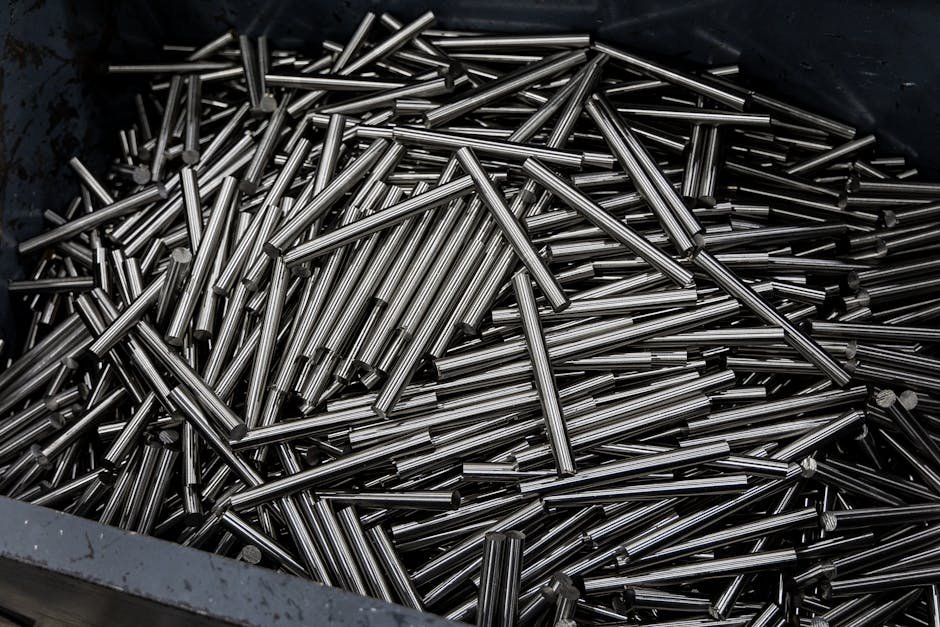

Stainless shop operations are critical to Australia’s industrial ecosystem, bridging the gap between stainless steel manufacturing, recycling, and end-use applications. Whether you’re managing a leading stainless shop or seeking to optimize your stainless steel waste management, understanding the nuances of this sector is essential. This guide provides expert insights into stainless types, recycling processes, market dynamics, and practical strategies to maximize value from your stainless steel scraps.
Understanding Stainless Steel: 304 vs. 316 Grades
Stainless steel is an alloy of iron with a minimum of 10.5% chromium, offering corrosion resistance. The two most common grades in Australia are 304 stainless and 316 stainless, each with distinct properties:
- 304 Stainless: Contains 18% chromium and 8% nickel. It’s workhorse for general-purpose use in food processing, architecture, and kitchenware due to its balance of strength and affordability.
- 316 Stainless: Adds 2% molybdenum, enhancing resistance to chlorides (e.g., seawater). Ideal for marine equipment, chemical processing, and pharmaceuticals. 316 stainless wire is particularly valuable in high-salinity environments.
Distinguishing between these grades is vital for stainless steel scrap pricing. 316 typically commands a 15-20% premium over 304 due to its specialized applications.
Applications of Stainless Steel in Australian Industries
Australia’s stainless shop ecosystem thrives on diverse demand. Key sectors include:
- Construction: 304 is used for structural components and cladding, while 316 is critical for coastal infrastructure.
- Manufacturing: Machine shops generate steel turnings chips during precision machining of stainless parts.
- Renewable Energy: Wind turbines and solar farms rely on stainless steel for corrosion-resistant components in harsh environments.
Businesses in stainless suppliers networks often collaborate with stainless shop platforms to streamline material sourcing and recycling.
Recycling Stainless Steel: Processes and Benefits
Recycling stainless steel reduces mining demand and conserves energy. The process involves:
- Collection: Scrap from industrial waste, end-of-life products, or construction demolition.
- Sorting: Grades like 304 and 316 are separated using spectrometers to ensure purity.
- Smelting: Molten metal is refined and cast into new ingots, with minimal quality loss.
- Reprocessing: Recycled stainless is used to create new products, closing the material loop.
Australian recyclers emphasize non-ferrous metal separation to maximize the value of stainless steel scrap. For example, Stainless Steel Scrap Calculator tools help quantify returns before selling.
Market Trends and Price Influences
Stainless steel prices in Australia are influenced by:
- Global Nickel Prices: 304 and 316 grades use nickel, which is traded on the London Metal Exchange (LME).
- Exchange Rates: The AUD/USD ratio affects import costs of raw materials like 316 stainless wire.
- Supply Chain Delays: Port congestion and shipping disruptions can create short-term price volatility.
Monitoring stainless steel scrap price indices monthly is advisable. For instance, 316 scrap prices surged 22% YoY in Q3 2023 due to increased demand in desalination projects.
Practical Tips for Managing Stainless Steel Waste
Optimize your stainless shop operations with these expert strategies:
- Segregate Grades: Store 304 and 316 scraps separately to avoid contamination and fetch higher prices.
- Use Technology: The Scrap Calculator estimates value based on weight, grade, and current market rates.
- Partner with Certified Buyers: Choose recyclers with ISO 14001 certifications for ethical and efficient processing.
- Track Market Data: Subscribe to industry reports from Scrap Trade for real-time price updates.
For machine shops, selling steel turnings chips can generate recurring revenue. A 500kg batch of 304 turnings might yield $1,200-$1,500 depending on current rates.
Choosing the Right Stainless Shop Partner
When selecting a stainless shop in Australia, prioritize partners offering:
- Transparent Pricing: Avoid hidden fees by requesting itemized quotes.
- Logistics Support: Choose providers with freight solutions for large-volume pickups.
- Grade Verification: Insist on laboratory testing for accurate grade identification.
- Quick Payments: Opt for cash-on-delivery or same-day EFT options.
Reputable stainless suppliers also provide certificates of recycling compliance, essential for industries like aerospace and healthcare.
Environmental Impact and Sustainability
Stainless steel recycling is a cornerstone of circular economy initiatives. Recycling 1 ton of stainless steel saves:
- 7,500 kWh of energy
- 1.5 tons of iron ore
- 1.2 tons of water
Australian stainless shop operators are increasingly adopting ESG (Environmental, Social, Governance) frameworks to align with global sustainability goals. For example, Scrap Trade partners with carbon-neutral recyclers to reduce transportation emissions.
Future Outlook for the Stainless Steel Market
The Australian stainless steel market is projected to grow at a CAGR of 4.2% through 2030, driven by:
- Infrastructure investments in flood mitigation and urban renewal projects
- Expansion of mining operations requiring corrosion-resistant equipment
- Green technology adoption, including hydrogen fuel cell components
Businesses engaging with stainless shop platforms can leverage this growth by maintaining inventory of high-demand grades like 316 stainless wire.
FAQs About Stainless Shops and Recycling
What’s the difference between 304 and 316 stainless steel?
304 stainless contains 18% chromium and 8% nickel, while 316 adds 2% molybdenum for enhanced chloride resistance. 316 is preferred for marine and chemical environments.
How do I estimate the value of my stainless steel scrap?
Use the Stainless Steel Scrap Calculator to input weight, grade, and current market rates for an accurate estimate.
Where can I find certified stainless steel suppliers in Australia?
Refer to Scrap Trade’s supplier directory for ISO-certified stainless suppliers offering competitive recycling solutions.
Why is sorting stainless steel grades important?
Untreated mixed grades reduce scrap value by 30-40%. Proper sorting ensures you receive premium prices for high-grade materials like 316 stainless wire.
Conclusion: Maximizing Value from Your Stainless Shop
Australian businesses can transform their stainless shop operations into revenue streams by understanding grade differences, leveraging recycling technologies, and partnering with trusted platforms. Whether you’re managing machine shop waste or bulk stainless scrap, tools like the Scrap Calculator and price tracking empower informed decisions. By aligning with stainless suppliers and staying attuned to market trends, your business can thrive in this dynamic sector while contributing to sustainability goals.
Related: stainless suppliers
Frequently Asked Questions
What’s the difference between 304 and 316 stainless steel?
304 stainless contains 18% chromium and 8% nickel, while 316 adds 2% molybdenum for enhanced chloride resistance. 316 is preferred for marine and chemical environments.
How do I estimate the value of my stainless steel scrap?
Use the Stainless Steel Scrap Calculator to input weight, grade, and current market rates for an accurate estimate.
Where can I find certified stainless steel suppliers in Australia?
Refer to Scrap Trade’s supplier directory for ISO-certified stainless suppliers offering competitive recycling solutions.
Why is sorting stainless steel grades important?
Untreated mixed grades reduce scrap value by 30-40%. Proper sorting ensures you receive premium prices for high-grade materials like 316 stainless wire.