
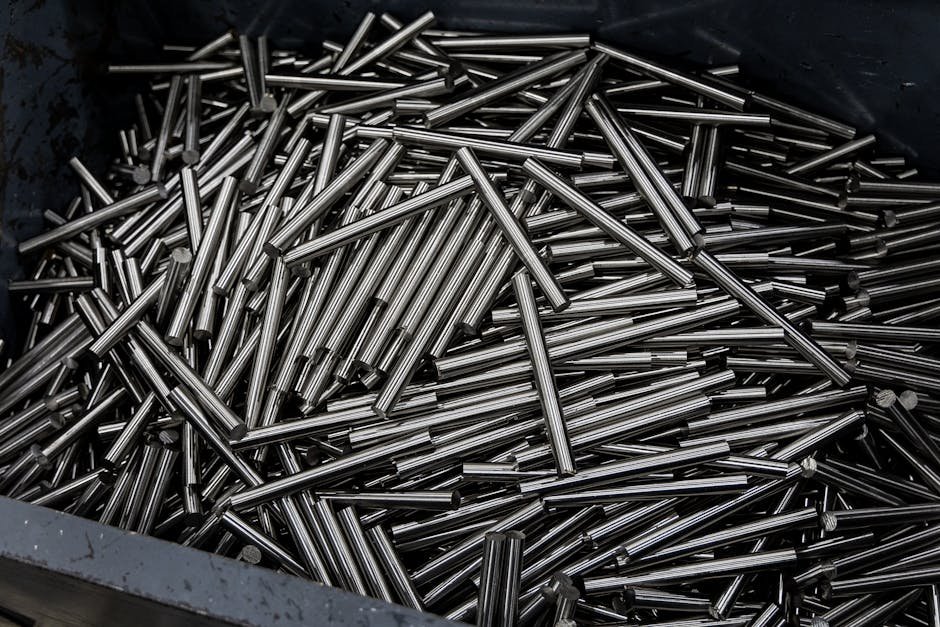

Stainless steel sales are a critical component of Australia’s metal recycling industry, driven by demand from construction, manufacturing, and infrastructure sectors. Understanding the nuances of stainless steel—its grades, market dynamics, and recycling processes—is essential for maximizing profitability. This guide provides actionable strategies, industry insights, and tools to help traders, recyclers, and businesses navigate the complexities of stainless steel sales effectively.
Understanding Stainless Steel Grades and Their Market Value
Stainless steel is categorized into grades based on composition and properties. The two most common grades in Australian sales are 304 stainless and 316 stainless. 304 stainless contains 18% chromium and 8% nickel, making it ideal for general-purpose applications like kitchen appliances and construction. 316 stainless, with added molybdenum, offers superior corrosion resistance, suitable for marine and chemical environments.
- 304 Stainless Scrap: Accounts for 50% of global stainless steel demand. It’s versatile but less expensive than 316.
- 316 Stainless Scrap: Commands a premium due to its specialized use cases and durability in harsh conditions.
Accurate grade identification is critical, as misclassification can lead to significant financial losses. Use a scrap stainless steel calculator to determine value based on weight and grade.
Current Market Trends in Stainless Steel Sales
The steel price per tonne fluctuates due to global supply chains, raw material costs, and geopolitical factors. In 2024, Australia’s stainless steel market is influenced by:
- Global Demand: Asia’s infrastructure boom increases demand for Australian stainless steel scrap.
- Recycling Incentives: Government policies promoting circular economies boost recycling rates.
- Environmental Regulations: Stricter emissions laws favor scrap recycling over primary steel production.
Monitor real-time stainless steel scrap prices to time sales strategically. Prices often correlate with nickel and chromium commodity markets.
Preparing Stainless Steel for Sale: Best Practices
Maximizing stainless steel sales requires proper preparation to meet buyer specifications:
- Sort by Grade: Separate 304, 316, and other grades to avoid contamination, which can devalue entire batches.
- Remove Impurities: Eliminate dirt, oil, and non-metallic components. Use sheet metal cutters for uniform sizing.
- Document Specifications: Provide certificates of origin or test reports to verify grade authenticity, especially for high-value 316 stainless.
Consider using professional recycling services for efficient sorting and processing.
Choosing the Right Recycling Partner
Not all scrap metal buyers treat scrap stainless steel equally. Key factors when selecting a partner include:
- Reputation: Prioritize certified recyclers with transparent pricing and eco-friendly practices.
- Logistics: Choose partners with local pickup or drop-off facilities to reduce transportation costs.
- Payment Terms: Negotiate favorable rates for bulk sales or long-term contracts.
ScrapTrade Australia offers competitive rates, instant valuations, and industry-leading compliance for stainless steel sales.
Maximizing Profits: Advanced Strategies for Stainless Steel Sales
Optimize your stainless steel sales with these expert tactics:
- Track Price Volatility: Use historical data to predict trends. For example, 304 stainless prices rose 12% in Q1 2024 due to nickel shortages.
- Bundle with Other Metals: Combine ferrous metal and mild steel sales for volume discounts.
- Leverage Technology: Digital tools like scrap calculators provide instant estimates, saving time and reducing errors.
For businesses, direct partnerships with manufacturers can create a steady stainless steel supply stream, bypassing fluctuating scrap markets.
Challenges and Opportunities in Australian Stainless Steel Sales
The sector faces challenges like grade misclassification and global price swings. However, opportunities exist in:
- Green Initiatives: Governments offer tax incentives for recycling 304 and 316 stainless.
- Export Markets: Southeast Asia’s growing demand for 316 stainless creates lucrative export opportunities.
- Innovation: Advances in magnetic separation technology improve sorting efficiency for mixed scrap.
Stay ahead by subscribing to newsletters or platforms like Scrap Trade Australia for market updates and expert analysis.
Conclusion: Building a Sustainable Stainless Steel Sales Strategy
Successful stainless steel sales in Australia require a blend of market awareness, operational efficiency, and strategic partnerships. By mastering grade identification, leveraging digital tools, and aligning with ethical recyclers, traders can capitalize on Australia’s thriving metal recycling industry. Whether you’re managing a small business or a large-scale operation, these strategies ensure profitability while supporting sustainability goals.
Related: scrap stainless steel
Related: stainless steel supply
Frequently Asked Questions
How do I determine the value of my stainless steel scrap?
Use a stainless steel scrap calculator to input weight, grade (e.g., 304 or 316), and current market rates for an instant estimate.
What’s the difference between 304 and 316 stainless steel?
304 stainless is ideal for general use, while 316 stainless contains molybdenum for enhanced corrosion resistance, making it suitable for marine or chemical environments.
How can I prepare stainless steel for sale?
Sort by grade, clean thoroughly, and document specifications. Professional recycling services can streamline this process.
Where can I find real-time stainless steel prices?
Check platforms like Stainless Steel Scrap Price for up-to-date market rates in Australia.