
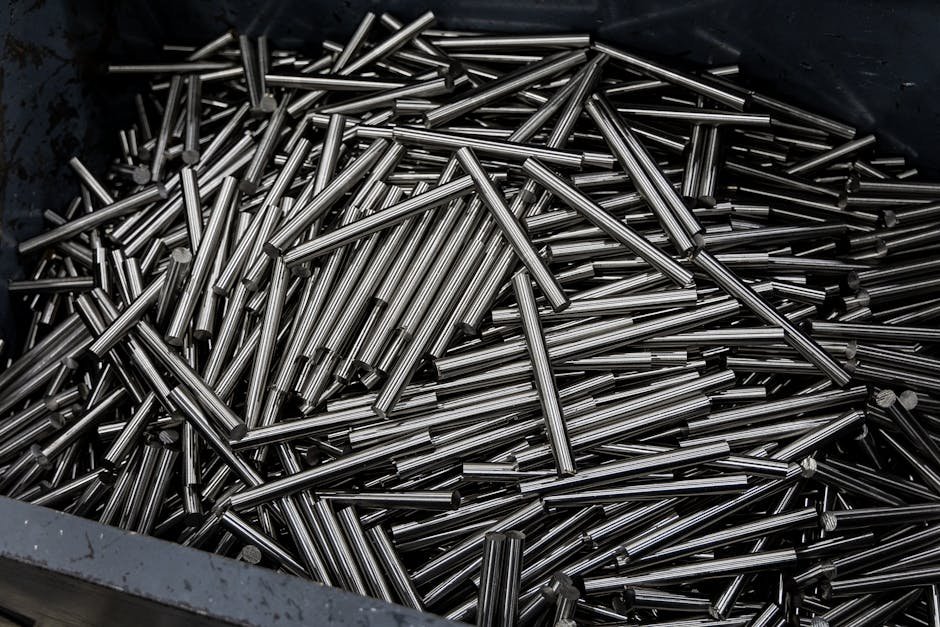

316 stainless steel bar is a high-performance austenitic stainless steel alloy renowned for its exceptional resistance to corrosion, even in harsh environments. Composed of 16-18% chromium, 10-14% nickel, and 2-3% molybdenum, it outperforms many alternatives in marine, chemical, and food processing industries. For Australian recyclers and traders, understanding its properties, market dynamics, and recycling processes is critical to maximizing returns from 316 stainless steel bar scrap. This guide provides actionable insights into its composition, applications, and strategies to optimize profits from 316 stainless steel bar trading.
Key Properties of 316 Stainless Steel Bar
316 stainless steel bar belongs to the 300-series stainless steels, distinguished by its non-ferrous composition and superior corrosion resistance. The addition of molybdenum significantly enhances its ability to withstand chloride-induced corrosion, making it ideal for coastal and chemical environments. Compared to 304 stainless, 316 offers better resistance to acidic conditions and saltwater exposure, though at a slightly higher cost.
Common specifications for 316 stainless steel bar include:
- Yield Strength: ~205 MPa (annealed)
- Hardness: 88 HRB (annealed)
- Thermal Conductivity: 16.3 W/m·K
- Electrical Resistivity: 72 µΩ·cm
Industrial Applications of 316 Stainless Steel Bar
316 stainless steel bar is widely used in applications requiring durability and resistance to extreme conditions. Key industries include:
- Marine Engineering: Propeller shafts, valves, and seawater filtration systems
- Chemical Processing: Piping, tanks, and reaction vessels
- Food & Beverage: Equipment for dairy and brewing operations
- Medical Devices: Surgical instruments and implants
Scrap Value of 316 Stainless Steel Bar
The scrap steel price per tonne for 316 stainless steel bar fluctuates based on global demand, refining costs, and alloy purity. As of recent data, Australian recyclers can expect prices between $1,200–$1,800/tonne for clean, uncoated 316 stainless steel bar scrap. Contaminants like oil, dirt, or mixed alloys can reduce this value by 10–20%.
Use the Stainless Steel Scrap Calculator to estimate your 316 stainless steel bar value instantly. Key factors include:
- Weight and dimensions (e.g., 6mm vs 25mm diameter bars)
- Surface condition (scratched vs polished)
- Market trends for stainless steel scrap
How to Sell 316 Stainless Steel Bar Scrap for Maximum Profit
To maximize returns from 316 stainless steel bar scrap, follow these best practices:
- Clean and Sort: Remove oil, paint, and mixed metals like mild steel. Contaminated 316 stainless steel bar fetches lower prices.
- Verify Grade: Use a magnet—316 is non-magnetic in the annealed state (due to austenitic structure), unlike some ferrous metal alloys.
- Bundle Neatly: Avoid mixing with sheet metal or other stainless grades (e.g., 304). Grading errors reduce profitability.
- Track Market Trends: Monitor steel price per tonne fluctuations before selling.
Comparing 316 Stainless Steel Bar to Other Alloys
While 316 stainless steel bar is premium, understanding its differences from alternatives is crucial:
- 304 Stainless: Less corrosion-resistant but cheaper (~$800–$1,200/tonne for scrap)
- Mild Steel: Ferrous and prone to rust; valued at ~$300–$500/tonne
- Non-Ferrous Alloys: Copper and aluminum scrap often yield higher returns but lack 316’s durability
Recycling Process for 316 Stainless Steel Bar
316 stainless steel bar is 100% recyclable. The process involves:
- Collection: Bulk scrap stainless steel is aggregated by brokers or manufacturers.
- Sorting: X-ray fluorescence (XRF) devices identify alloy grades to avoid mixing.
- Shredding/Shearing: Bars are cut into uniform shapes for smelting.
- Refining: Melted metal is reprocessed into new 316 stainless steel bar or other products.
For Australian traders, partnering with certified recyclers like Scrap Trade ensures compliance with environmental standards and maximizes returns.
FAQs About 316 Stainless Steel Bar
What is the composition of 316 stainless steel bar?
316 stainless steel bar contains 16-18% chromium, 10-14% nickel, and 2-3% molybdenum. These elements provide its superior corrosion resistance compared to 304 stainless, which lacks molybdenum.
How much is 316 stainless steel bar scrap worth?
In Australia, clean 316 stainless steel bar scrap fetches $1,200–$1,800/tonne, depending on market conditions. Use the Stainless Steel Scrap Calculator for real-time estimates.
How can I identify 316 stainless steel bar?
316 is non-magnetic in the annealed state (due to austenitic structure). A magnet test can differentiate it from mild steel or ferritic stainless alloys. For certainty, use an alloy analyzer or consult a ScrapTrade Australia expert.
Is 316 stainless steel bar better than 304?
Yes, 316 offers superior corrosion resistance due to molybdenum content, making it ideal for marine or chemical applications. However, 304 stainless is cheaper and often sufficient for general-purpose use.
Related: stainless steel sales
Related: scrap stainless steel
Frequently Asked Questions
What is the composition of 316 stainless steel bar?
316 stainless steel bar contains 16-18% chromium, 10-14% nickel, and 2-3% molybdenum, which enhance its corrosion resistance compared to 304 stainless.
How much is 316 stainless steel bar scrap worth?
In Australia, clean 316 stainless steel bar scrap typically ranges between $1,200–$1,800/tonne. Use the Stainless Steel Scrap Calculator for precise estimates.
How can I identify 316 stainless steel bar?
316 stainless steel bar is non-magnetic in the annealed state. A magnet test or alloy analyzer can confirm its grade, differentiating it from mild steel or 304 stainless.
Is 316 stainless steel bar better than 304?
316 stainless steel bar is more corrosion-resistant due to molybdenum, making it ideal for harsh environments. However, 304 stainless is more cost-effective for general applications.