
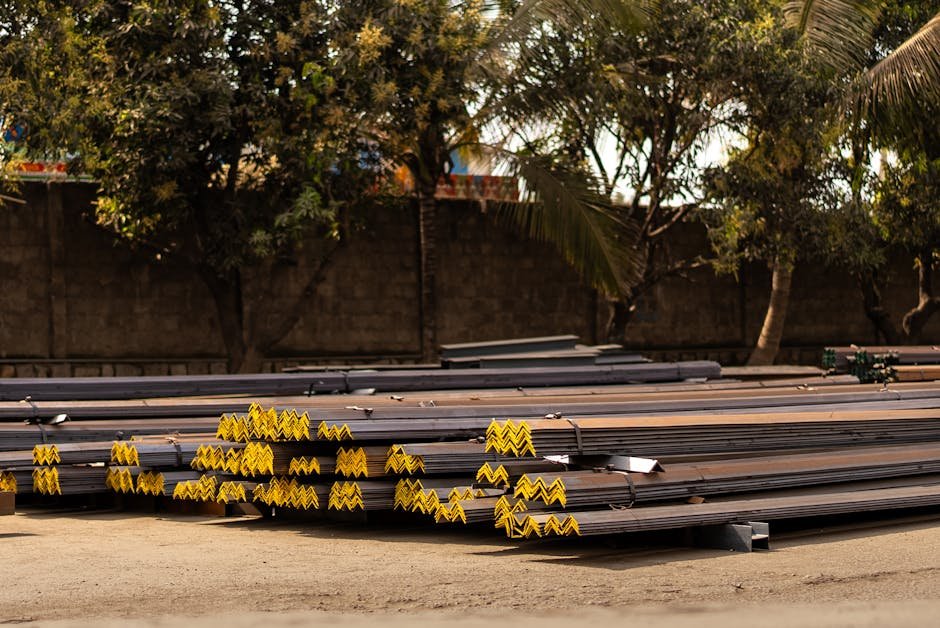

SS steels, a critical component of the Australian recycling and manufacturing industries, are alloys containing at least 10.5% chromium. They are celebrated for their durability, corrosion resistance, and versatility, making them indispensable in sectors ranging from construction to food processing. As a hub for scrap metal trading, Australia recognizes SS steels not only for their functional properties but also for their recyclability, which aligns with global sustainability goals. This guide provides an in-depth exploration of SS steels, covering their classifications, applications, recycling processes, and market dynamics in Australia.
Understanding SS Steels: Types and Properties
SS steels are categorized into four primary groups based on their microstructure: austenitic, ferritic, martensitic, and duplex. Austenitic steels, such as 304 and 316 grades, are the most common due to their excellent corrosion resistance and formability. Ferritic steels, like 430, are less expensive and magnetic but offer moderate corrosion resistance. Martensitic steels, including 410 and 420, are highly machinable and heat-treatable, ideal for cutlery and industrial tools. Duplex steels, combining austenitic and ferritic properties, provide enhanced strength and resistance to stress corrosion cracking.
Applications of SS Steels in Australia
Australia’s reliance on SS steels spans multiple industries. In construction, they are used for structural frameworks, cladding, and roofing due to their strength and weather resistance. The food and beverage sector employs SS steels for equipment like tanks and conveyors, as they meet stringent hygiene standards. In the automotive industry, SS steels contribute to vehicle components requiring durability, such as exhaust systems. Additionally, Australia’s mining sector utilizes SS steels for machinery exposed to harsh environments. The Scraptrade Recognises Sands Industries With The Australian Industrial Innovation Award 2025 highlights advancements in SS steel applications for sustainable infrastructure.
Recycling SS Steels: Processes and Challenges
Recycling SS steels is a cornerstone of the circular economy. The process begins with collection from industrial waste, demolition sites, or end-of-life products. Ferrous metals like SS steels are separated using magnets, then sorted by grade. Melting in electric arc furnaces ensures the alloy’s composition is preserved. Challenges include contamination from non-ferrous materials and the need for precise sorting to maintain quality. グローバル廃金属取引プラットフォームが正式サ emphasizes the role of advanced sorting technologies in improving SS steel recycling efficiency.
Market Trends and Pricing Dynamics
The Australian SS steel market is influenced by global steel prices, with the منصة تجارة الخردة العالمية تُطلق خدما platform facilitating international trade. Scrap steel prices per tonne fluctuate based on demand from China, India, and Southeast Asia. Domestic factors include mining output, manufacturing activity, and government policies on sustainability. ScrapTrade Australia provides real-time data on scrap steel prices, helping traders and manufacturers optimize their procurement strategies.
Practical Tips for SS Steel Trading and Recycling
- Assess Quality: Use non-destructive testing to identify SS steel grades, as higher-grade alloys command better prices.
- Optimize Storage: Store SS steel scrap in dry, covered areas to prevent rust and contamination.
- Partner with Certified Recyclers: Ensure compliance with Australian recycling standards, such as AS 8301 for ferrous metal recycling.
- Monitor Price Volatility: Track global crude steel production and geopolitical factors affecting scrap steel price per tonne.
Future Outlook for SS Steels in Australia
With increasing emphasis on sustainability, the demand for recycled SS steels is projected to rise. Innovations in recycling technologies, such as sensor-based sorting and AI-driven quality control, will enhance efficiency. Australia’s commitment to reducing carbon emissions aligns with the circular economy, making SS steel recycling a strategic priority. ScrapTrade anticipates growth in cross-border partnerships to meet global demand for high-grade recycled steel.
Environmental and Economic Impact
SS steel recycling reduces the need for virgin ore extraction, conserving natural resources and lowering CO2 emissions. For every tonne of SS steel recycled, approximately 1.5 tonnes of CO2 emissions are avoided. Economically, Australia’s scrap trading sector generates billions annually, supporting local jobs and exports. The Australian Industrial Innovation Award 2025 underscores the sector’s role in fostering sustainable industrial growth.
Conclusion
SS steels are a cornerstone of Australia’s industrial and environmental strategies. Their versatility, recyclability, and economic value position them as essential materials for future development. By leveraging advanced recycling technologies and global trading networks, Australia can maximize the benefits of SS steel while contributing to a greener economy.
Browse live scrap metal listings at scrap.trade.
Australian buyers and sellers – visit scraptrade.com.au.
Related: グローバル廃金属取引プラットフォームが正式サ
Related: منصة تجارة الخردة العالمية تُطلق خدما
Frequently Asked Questions
What are the main types of SS steels?
SS steels are categorized into austenitic, ferritic, martensitic, and duplex types. Austenitic (e.g., 304) is the most common, known for corrosion resistance, while duplex offers enhanced strength and stress resistance.
How does SS steel recycling impact the environment?
Recycling SS steels reduces the need for mining virgin ore, cutting CO2 emissions by up to 70% compared to producing new steel. It also conserves energy and resources, supporting Australia’s sustainability goals.
What factors affect scrap steel prices in Australia?
Scrap steel prices per tonne are influenced by global demand, particularly from Asian markets, domestic steel production, and currency exchange rates. Local supply disruptions, like mine closures, also play a role.
What are the challenges in SS steel recycling?
Key challenges include contamination from non-ferrous metals, the need for precise grade sorting, and the energy-intensive nature of melting processes. Advanced sorting technologies help mitigate these issues.