
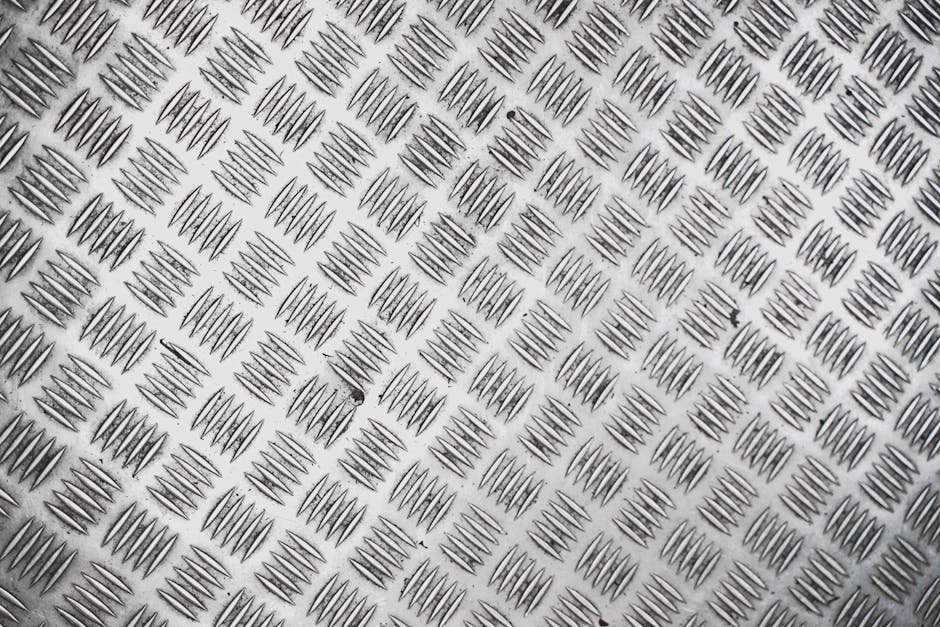

316 stainless steel sheet metal is a versatile, high-performance alloy prized for its corrosion resistance and durability in extreme conditions. Composed primarily of chromium, nickel, and molybdenum, it outperforms other grades like 304 stainless in marine environments, chemical processing, and coastal construction. Unlike ferrous metals like mild steel, 316 stainless is non-ferrous, making it ideal for applications where rust resistance is critical. Its scrap value fluctuates with steel price per tonne but remains a sought-after material in Australia’s recycling market due to its reusable properties.
Properties and Composition of 316 Stainless Steel Sheet Metal
316 stainless steel sheet metal contains 16–18% chromium, 10–14% nickel, and 2–3% molybdenum, which collectively enhance its resistance to chlorides and pitting corrosion. This composition makes it suitable for marine environments, coastal infrastructure, and chemical processing plants where other grades like 304 stainless may degrade. The molybdenum addition also improves strength at elevated temperatures, though it slightly increases the material’s cost compared to 304 stainless. Its non-ferrous nature means it doesn’t conduct electricity as readily as ferrous metals, a key consideration in electrical and industrial applications.
Industrial Applications and Key Industries
316 stainless steel sheet metal is widely used in construction for architectural cladding, roofing, and structural components in coastal areas prone to saltwater exposure. Its resistance to stainless steel scrap oxidation makes it ideal for chemical tanks, pharmaceutical equipment, and food processing machinery. In Australia, demand spikes for projects like desalination plants and offshore oil rigs. Automotive manufacturers also utilize it for exhaust systems exposed to road salts. Compared to light steel scrap, 316’s durability reduces long-term maintenance costs, though its initial investment is higher.
Recycling 316 Stainless Steel Sheet Metal in Australia
Recycling 316 stainless steel sheet metal is both economically and environmentally beneficial. As a non-ferrous material, it retains value in stainless steel scrap markets, with prices influenced by global steel demand and molybdenum availability. For scrap traders, sorting 316 from other grades like 304 stainless requires spectrographic analysis to confirm molybdenum content. Buyers can check stainless steel scrap prices in real time to optimize profits. Proper recycling preserves the alloy’s integrity, ensuring it can be reused in high-grade applications without compromising quality.
Choosing Reliable Suppliers for 316 Stainless Steel Sheets
When sourcing 316 stainless steel sheet metal, prioritize suppliers with certifications like ISO 9001 and traceable material test reports. Stainless steel sheet suppliers in Australia should provide clear grading information to avoid confusion with lower-grade alternatives. Bulk buyers can negotiate volume discounts, but must verify that the material meets Australian Standards AS 1554.2 for structural steels. For scrap metal dealers, partnering with suppliers who accept returns ensures a steady supply of stainless steel scrap for resale or processing.
316 vs. 304 Stainless Steel: Key Differences
While 304 stainless steel is more common, 316 offers superior corrosion resistance due to its molybdenum content. This makes it better suited for seawater environments, though it costs up to 30% more per tonne. In terms of steel price per tonne, 316 remains stable compared to mild steel, which is prone to rusting. For scrap traders, identifying 316 requires testing for molybdenum, as visual inspection alone can’t distinguish it from 304. Applications involving metal pipe scrap buyers for copper, steel, or stainless pipe may prefer 316 for long-term reliability in chemical or marine settings.
Practical Tips for Handling 316 Stainless Steel Sheets
- Storage: Keep sheets in dry, covered areas to prevent moisture-induced pitting.
- Cutting: Use high-speed steel tools with carbide tips to avoid work hardening.
- Welding: Opt for TIG welding with 316L filler rods to minimize chromium carbide formation.
- Recycling: Separate 316 from other grades immediately to maintain stainless scrap purity.
Future Trends in 316 Stainless Steel Recycling
As Australia pushes for net-zero emissions, demand for recycled 316 stainless steel sheet metal is expected to grow. Innovations in non-ferrous metal separation and electric arc furnace (EAF) technology will improve recovery rates. Government incentives for light steel scrap recycling will further drive adoption. Scrap traders should monitor stainless steel scrap price trends and invest in certifications like R3 (Responsible Recycling) to stay competitive.
For further reading on 316 grade stainless steel sheet specifications or scrap metal trading, visit our detailed resource hub. Compare 316 with other grades using ScrapTrade’s industry comparisons and pricing tools.
Frequently Asked Questions
Why is 316 stainless steel more expensive than 304 stainless?
316 stainless steel contains molybdenum, which enhances corrosion resistance but increases production costs. This makes it ideal for marine and chemical environments where 304 stainless would degrade.
How can I identify genuine 316 stainless steel sheets?
Use a spectrographic analyzer to test for molybdenum content. Visual inspection alone cannot differentiate 316 from 304 stainless steel.
What are the best recycling practices for 316 stainless steel?
Segregate 316 from other grades immediately, store in dry conditions, and sell through certified stainless steel scrap dealers to maximize value.
Which industries benefit most from 316 stainless steel sheet metal?
Marine construction, chemical processing, and coastal infrastructure projects benefit from 316 stainless steel due to its resistance to chloride-induced corrosion and saltwater exposure.