
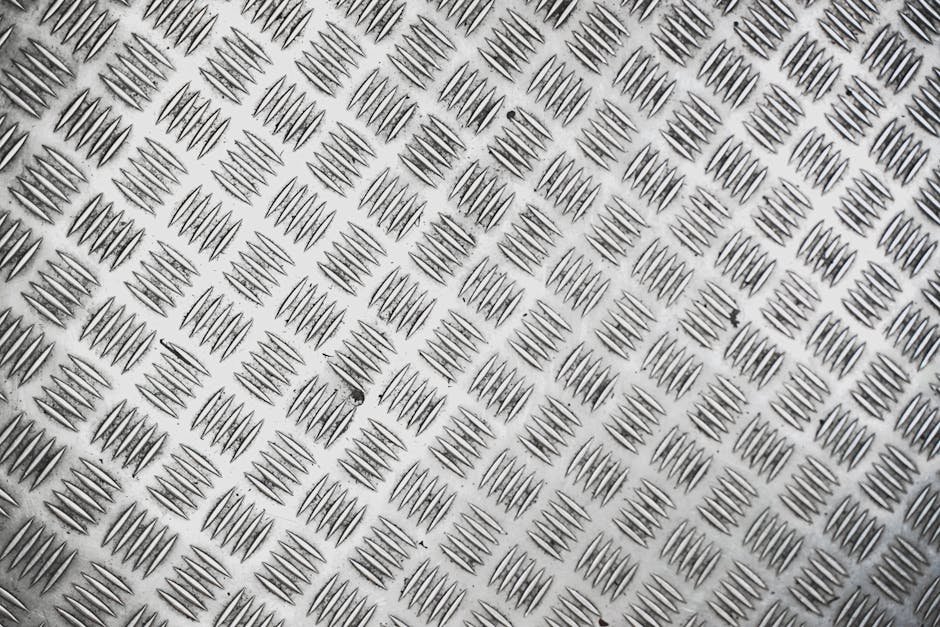

Stainless steel plate suppliers in Australia must meet rigorous standards to serve industries like construction, manufacturing, and food processing. This guide examines the market’s best practices for sourcing stainless steel plates, including grade selection, pricing dynamics, and recycling strategies. By 2024, the demand for 304 and 316 stainless steel plates has surged, driven by infrastructure projects and renewable energy sectors.
Understanding Stainless Steel Plate Grades
Stainless steel plates are categorized by grade, with 304 stainless and 316 stainless being the most common. 304 stainless is ideal for general-purpose applications due to its corrosion resistance and affordability. It contains 18% chromium and 8% nickel, making it suitable for architectural and kitchenware uses. In contrast, 316 stainless adds 2-3% molybdenum, enhancing its resistance to chlorides and harsh environments, making it critical for marine and chemical processing equipment.
- 304 Stainless Steel Plates: 18/8 composition, cost-effective, widely available.
- 316 Stainless Steel Plates: Molybdenum addition, marine-grade durability, higher scrap steel value.
- 430 Stainless Steel Plates: Ferritic grade, magnetic, used in automotive exhausts.
Selecting Reputable Stainless Steel Plate Suppliers
Choosing the right stainless steel plate suppliers requires evaluating certifications, inventory diversity, and logistics capabilities. Reliable suppliers hold ISO 9001 and AS/NZS 2759 certifications, ensuring adherence to Australian standards. For example, stainless steel suppliers qld must comply with Queensland’s environmental regulations for scrap metal trading.
Key supplier evaluation criteria include:
- Inventory Range: Suppliers with stock of 304, 316, and specialty grades reduce procurement delays.
- Traceability: Certificates of conformity (CoCs) confirm material origin and properties.
- Local vs. National Reach: Regional suppliers like stainless steel sheet suppliers may offer faster delivery but limited volume discounts.
Stainless Steel Plate Recycling and Scrap Value
Recycling stainless steel plates is economically and environmentally vital. The stainless steel scrap price fluctuates based on global steel price per tonne and demand for ferrous metal components. According to the Australian Recycling Industry Council, stainless steel recycling rates reached 94% in 2023, thanks to improved sorting technologies.
Best practices for recycling stainless steel plates include:
- Segregating 304 and 316 grades to maintain scrap value
- Using certified scrap yards that accept mild steel and stainless steel mixes
- Calculating returns with the scrap calculator to estimate material value
Steel Price Per Tonne Trends in Australia
The steel price per tonne impacts stainless steel plate suppliers’ margins. As of Q1 2024, the Australian steel price per tonne for 304 stainless averages $1,850–$2,200, influenced by Chinese import tariffs and iron ore prices. Suppliers often hedge against price volatility by locking in long-term contracts with customers.
Factors affecting pricing include:
- Raw material costs (nickel, chromium)
- Exchange rates (Australian dollar vs. US dollar)
- Logistics expenses for interstate sheet metal transport
Case Study: Efficient Sourcing for a Construction Project
A Melbourne-based construction firm needed 200 tons of 304 stainless steel plates for a high-rise building. By partnering with a stainless steel plate supplier offering same-day delivery and a recycling agreement, they reduced lead times by 40%. The supplier’s scrap calculator also helped optimize leftover material returns.
Future Outlook for Stainless Steel Plate Suppliers
With Australia’s push for green infrastructure, demand for stainless steel plates in solar farm components and desalination plants is projected to grow 7% annually. Suppliers investing in mild steel hybrid solutions and digital procurement platforms will gain market share. Scrap.trade and ScrapTrade.com.au are leading digital marketplaces connecting buyers with certified suppliers nationwide.
In conclusion, stainless steel plate suppliers must balance quality, cost, and sustainability. By leveraging advanced recycling systems and transparent pricing tools, they can meet evolving industry needs while maximizing profitability.
Frequently Asked Questions
How do I choose between 304 and 316 stainless steel plates?
304 stainless is cost-effective for general use, while 316 stainless offers enhanced corrosion resistance for marine or chemical environments. Check your application’s chloride exposure and consult with a certified stainless steel sheet supplier for recommendations.
What’s the best way to recycle stainless steel plates?
Segregate grades, sell to certified recyclers, and use the scrap calculator to estimate returns. Avoid mixing with mild steel to preserve scrap value.
How do I find stainless steel plate suppliers in Queensland?
Search for stainless steel suppliers qld with AS/NZS 2759 certifications. Verify their inventory of 304/316 grades and logistics capabilities for interstate shipments.
Why does stainless steel scrap price vary by region?
The stainless steel scrap price depends on local demand, steel price per tonne, and recycling infrastructure. Remote areas may pay less due to higher transportation costs for ferrous metal processing.