
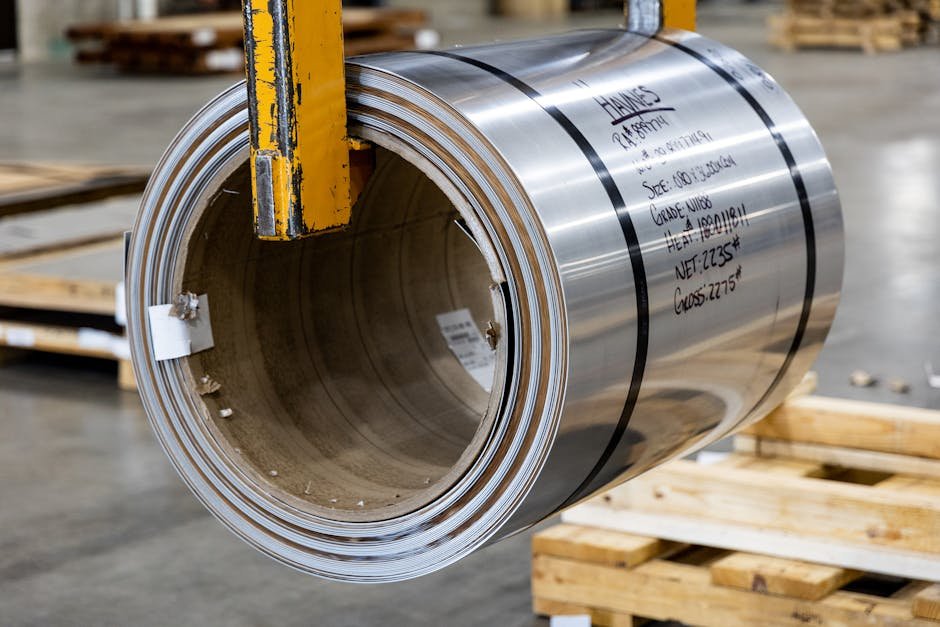

Stainless steel, often abbreviated as ‘stainle’ in industry discussions, is a critical material in Australia’s recycling ecosystem. Composed of iron, chromium, and nickel, this alloy resists corrosion, retains strength at high temperatures, and is 100% recyclable. The Australian stainless steel recycling sector intersects with global sustainability efforts, industrial innovation, and economic activity. This guide explores the unique properties, collection methods, market dynamics, and environmental impact of ‘stainle’ scrap, with a focus on how platforms like Scraptrade facilitate its efficient trading.
The Science and Properties of Stainless Steel (Stainle)
Stainless steel is categorized into families based on microstructure: austenitic, ferritic, martensitic, and duplex. The most recycled grade in Australia is 304 ‘stainle’, containing 18% chromium and 8% nickel. Key properties include:
- Corrosion resistance from chromium oxide layers
- High tensile strength even at extreme temperatures
- Non-reactive surface ideal for food and medical industries
Recycling ‘stainle’ preserves these properties, eliminating the need for virgin ore extraction. Australia’s 2022 National Waste Report shows stainless steel recycling rates exceed 90%, but contamination from mixed metals remains a challenge.
Collection and Processing of Stainle Scrap
Effective ‘stainle’ recycling begins with proper segregation. Industrial sources like manufacturing plants and construction sites generate clean scrap, while household appliances (refrigerators, ovens) contribute mixed streams. Processing involves:
- Shredding: Large components are reduced to uniform particles
- Magnetic Separation: Ferritic grades (magnetic) are separated from austenitic (non-magnetic)
- Refining: Impurities like copper or lead are removed through electric arc furnaces
Scraptrade’s 2023 infrastructure upgrades, highlighted in their Australian Industrial Innovation Award, now support real-time grading of ‘stainle’ scrap using X-ray fluorescence (XRF) technology for precise alloy identification.
Economic Value of Stainle Scrap in Australia
The ‘stainle’ scrap market fluctuates with global metal prices and local supply. In 2024, recycled stainless steel fetched $1,800–$2,200 per tonne, depending on grade purity. Factors influencing prices include:
- Exchange rates (impact of USD/AUD fluctuations)
- Chinese import demand
- Domestic steel mill production quotas
Businesses can optimize profits by:
- Timing sales during construction booms
- Securing long-term contracts with recyclers
- Using platforms like Scrap Metal Recycling Solutions for transparent pricing
Environmental Impact and Sustainability
Recycling ‘stainle’ saves 70% of the energy required to produce new steel, according to the Australian Recycling Industry Council. Key environmental benefits include:
- Reducing mining-related habitat destruction
- Lowering CO2 emissions by 50% per tonne recycled
- Conserving chromium and nickel resources
Challenges remain in collecting small household items, which often end up in landfills. The Global Metal Trading Platform is developing AI-driven sorting systems to improve recovery rates in mixed waste streams.
Industrial Innovations in Stainle Recycling
Australian companies are leading ‘stainle’ recycling advancements. Sands Industries’ 2025 project, recognized by Scraptrade, implemented a closed-loop system for automotive ‘stainle’ components. Innovations include:
- Hydrogen-based refining reducing fossil fuel use
- Bio-based corrosion inhibitors for surface treatment
3D mapping of scrap piles for accurate valuation
The Global Scrap Metal Trading Platform now offers blockchain certification for recycled ‘stainle’ shipments, ensuring traceability for eco-conscious manufacturers.
Practical Tips for Stainle Scrap Traders
Maximize returns on ‘stainle’ scrap with these strategies:
- Segregate grades by magnet test before selling
- Remove non-metal components (plastics, ceramics)
- Use Scrap Metal Trading Platform for competitive quotes
- Document alloy compositions (304 vs 316) for higher pricing
Avoid common mistakes like mixing stainless with regular steel, which depresses overall value. Partner with certified recyclers for proper processing.
Future of Stainle Recycling in Australia
Government initiatives like the National Circular Economy Strategy aim to boost ‘stainle’ recycling rates to 95% by 2030. Emerging trends include:
- Urban mining of e-waste for stainless components
- 3D printing with recycled ‘stainle’ powders
- Smart sensor integration for real-time scrap tracking
Investing in R&D partnerships with institutions like the University of Wollongong will be critical to maintaining Australia’s position in the ‘stainle’ recycling sector.
Frequently Asked Questions
What’s the difference between 304 and 316 stainle grades?
304 stainle contains 18% chromium and 8% nickel, making it suitable for general-purpose applications. 316 adds 2% molybdenum for enhanced corrosion resistance, ideal for marine environments. The 316 grade commands higher prices in recycling markets.
How can I identify stainle scrap for recycling?
Stainle is non-ferrous (non-magnetic) except ferritic grades. Use a magnet: if it adheres, it’s likely ferritic. For precise identification, employ XRF testing to determine chromium and nickel content.
What are the environmental benefits of recycling stainle?
Recycling stainle saves 70% energy vs. virgin production and reduces chromium/nickel mining. It prevents hazardous materials from landfills while maintaining metal quality through closed-loop recycling.
How do I find buyers for my stainle scrap?
Use online platforms like Scrap Metal Trading Platform for transparent pricing. Contact local foundries or join industry associations such as AustMet for networking opportunities.