
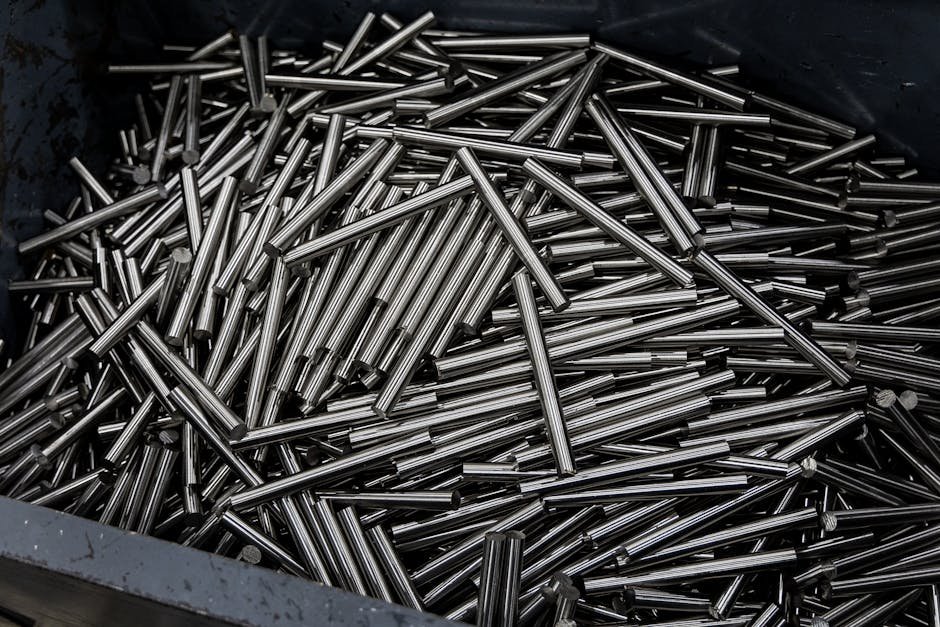

The stainless steel rate in Australia is influenced by global commodity markets, production costs, and demand for recycled materials. For businesses and individuals looking to recycle stainless steel, understanding current pricing trends, grading systems, and recycling processes is critical to maximizing returns. This guide provides an in-depth breakdown of stainless steel rates, factors affecting prices, and actionable strategies to sell stainless steel scrap profitably.
Understanding Stainless Steel Rates: Key Factors
The stainless steel rate varies depending on the grade, quality, and quantity of the material. The most common grades—304 stainless and 316 stainless—have distinct compositions and applications. For example, 304 stainless contains 18% chromium and 8% nickel, making it ideal for food processing equipment, while 316 stainless adds molybdenum for enhanced corrosion resistance, often used in marine environments. These differences directly impact the 316 stainless steel scrap price per tonne.
Current Stainless Steel Scrap Prices in Australia (2024)
As of 2024, the stainless steel rate for 304 stainless scrap ranges between $1,800 and $2,500 per tonne, while 316 stainless scrap commands $2,500 to $3,200 per tonne. These figures are influenced by global steel production, exchange rates (particularly the USD/AUD ratio), and supply chain disruptions. To get accurate stainless steel scrap prices, buyers should check with local scrap yards or use online tools like the Stainless Steel Scrap Calculator for real-time estimates.
Factors Affecting Stainless Steel Rates
Several macroeconomic and operational factors affect the stainless steel rate in Australia:
- Global Demand: China and India account for over 60% of global steel demand, impacting raw material prices.
- Energy Costs: High electricity prices in Australia affect the cost of melting and refining stainless steel.
- Recycling Rates: Increased recycling of stainless steel reduces reliance on imported raw materials.
- Government Policies: Export tariffs and environmental regulations influence pricing stability.
Grading and Purity: Why It Matters
Stainless steel grades like 304, 316, and 430 are categorized based on their alloy composition. For scrap buyers, purity is crucial. Contaminated or mixed-grade materials reduce the stainless steel rate by up to 30%. For instance, a batch of ferrous metal mixed with stainless steel will be valued lower than pure stainless steel scrap. Always use a magnet to test ferrous content: if it sticks, the material is likely not stainless steel.
How to Maximize Profits When Selling Stainless Steel
To get the best stainless steel rate, follow these steps:
- Identify the Grade: Use a spectrometer or chemical test kit to determine if the material is 304, 316, or another grade.
- Clean the Material: Remove coatings, dirt, and non-metallic components to avoid contamination.
- Compare Buyers: Contact multiple scrap yards or use online platforms like scraptrade.com.au to compare offers.
- Use a Calculator: The Stainless Steel Scrap Calculator helps estimate your material’s value based on weight and grade.
Regional Variations in Stainless Steel Rates
Stainless steel rates vary across Australia due to transportation costs and local demand. For example:
- New South Wales: $1,850–$2,400 per tonne for 304 stainless.
- Queensland: $1,900–$2,500 per tonne for 304 stainless, with higher rates for 316 stainless.
- Western Australia: Premiums of 5–10% apply due to higher shipping costs.
Long-Term Trends in Stainless Steel Recycling
Recycling stainless steel is becoming a key focus for manufacturers seeking sustainability. Australia’s stainless steel shop industry is investing in closed-loop systems, where scrap is converted directly into new products. This reduces the need for imported raw materials and stabilizes the stainless steel rate over time. Additionally, innovations in stainless steel recycling are improving recovery rates, making it more profitable for scrap sellers.
Related: stainless steel shop
Related: 316 stainless steel scrap
Frequently Asked Questions
What is the current stainless steel rate in Australia?
As of 2024, the stainless steel rate ranges from $1,800 to $2,500 per tonne for 304 stainless and $2,500 to $3,200 per tonne for 316 stainless. These rates vary based on market conditions and regional factors.
Why is 316 stainless steel more expensive than 304?
316 stainless contains molybdenum, which enhances corrosion resistance and makes it suitable for harsh environments. This specialized composition increases its value compared to 304 stainless.
How can I determine the grade of stainless steel I have?
Use a magnet to check for ferrous content. For precise identification, use a spectrometer or chemical test kit, available at many scrap yards or online.
What is the best way to sell stainless steel scrap for maximum profit?
Clean the material, identify the grade, compare offers from multiple buyers, and use the Stainless Steel Scrap Calculator to estimate its value before selling.