
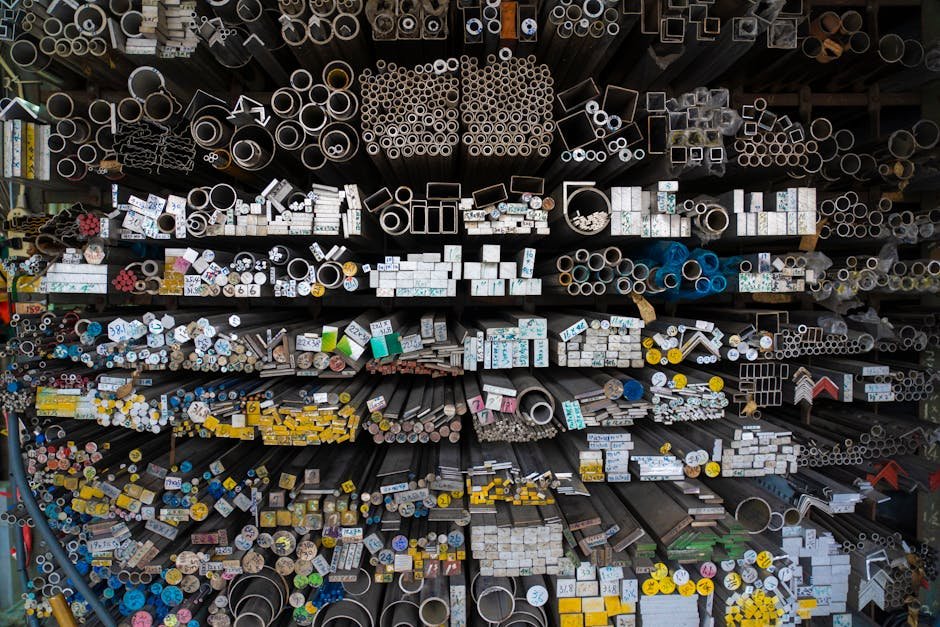

Stainless steel supplies Melbourne is a critical resource for manufacturers, builders, and recyclers. With over 150 commercial suppliers and a thriving scrap metal recycling industry, Melbourne remains Australia’s largest hub for stainless steel distribution. This guide covers everything from alloy specifications to pricing trends and recycling best practices.
Types of Stainless Steel Available in Melbourne
Stainless steel is categorized by its alloy composition, with two primary grades dominating the Melbourne market:
- 304 Stainless Steel: Contains 18% chromium and 8% nickel (18/8), accounting for 50% of all stainless steel produced globally. Ideal for food processing equipment and architectural applications.
- 316 Stainless Steel: Adds 2-3% molybdenum to resist chloride corrosion, making it essential for marine environments and chemical processing plants.
Other common grades include 430 (ferritic) for automotive trim and 201 (low nickel) for cost-sensitive projects. Specialized suppliers often stock specialty alloys like 321 for high-temperature applications.
Stainless Steel Recycling and Scrap Markets in Melbourne
The Victorian scrap metal industry processes over 3.2 million tonnes annually, with stainless steel scrap representing 12% of this volume. Sorting stainless steel from mild steel is critical, as contamination reduces scrap value.
Key Recycling Processes
- Shredding: Sheet metal and large components are reduced to uniform particles
- Electrosorting: Uses electromagnetic induction to identify stainless steel alloys
- Refining: Reconstituted scrap is melted in electric arc furnaces at 1600°C
Current stainless steel scrap prices in Melbourne hover around $1,200 per tonne for 304 grade, but can fluctuate based on global steel price per tonne trends. Proper preparation can boost returns by 20-30%.
Choosing the Right Stainless Steel Suppliers in Melbourne
With over 150 commercial suppliers, stainless steel supplies Melbourne offers a robust market for both virgin material and recycled products. Key selection factors include:
- Certification: Look for AS/NZS 3678 compliance for structural applications
- Storage Capacity: Leading suppliers maintain 5000+ tonne on-site warehouses
- Delivery Options: Many offer 24/7 crane access for bulk shipments
Top-rated suppliers like Scrap Trade Australia provide:
- 304/316 sheet metal in 1.2m x 2.4m sheets
- Standard and custom profiles (angle, channel, pipe)
- Recycled content options with 60-80% post-consumer material
Current Pricing Trends in the Melbourne Market
Stainless steel prices in Melbourne are influenced by:
- Globally traded ferrous metal prices (70% of cost drivers)
- VIC government recycling rebates ($50/tonne for certified scrap)
- Exchange rates affecting imported nickel and chromium
Current benchmarks (April 2024):
| Grade | Price per kg | Min Order |
|---|---|---|
| 304 Virgin | $9.50 | 500kg |
| 316 Virgin | $12.20 | 1000kg |
| 304 Scrap | $6.80 | 200kg |
Prices correlate with the steel price per tonne index, which recently showed a 12% increase over 2023 due to Chinese infrastructure spending.
Practical Tips for Buying and Selling Stainless Steel
Whether sourcing new stainless steel or selling stainless steel scrap, these strategies maximize value:
For Buyers
- Request mild steel alternatives for non-critical applications
- Negotiate volume discounts for bulk purchases over 5 tonnes
- Verify mill certificates for structural projects
For Sellers
- Separate 304 and 316 scrap to avoid price deductions
- Use the scrap calculator for accurate valuations
- Offer clean, dry material (contaminated scrap incurs 15% price penalty)
Industry Applications in Melbourne
Stainless steel’s versatility drives demand across multiple sectors:
1. Food and Beverage
304 stainless dominates in:
- Pasteurization tanks
- Conveyor systems
- Sanitary piping
2. Construction
316 stainless is preferred for coastal projects like:
- Marina infrastructure
- Sea wall cladding
- Marine railings
3. Automotive
430 stainless is used for:
- Exhaust systems
- Trim accents
- Interior panels
Sustainability and Recycling Benefits
Stainless steel recycling in Melbourne offers significant environmental benefits:
- Saves 75% energy vs. primary production
- Reduces chromium mining by 300kg per tonne recycled
- 90% of all stainless steel ever made remains in use
By partnering with certified suppliers, manufacturers can achieve:
- 60% lower carbon footprint
- 50% reduced water usage
- 85% less mining waste
Frequently Asked Questions
What are the most common stainless steel grades in Melbourne?
304 stainless (18% chromium, 8% nickel) and 316 stainless (adds 2-3% molybdenum) account for 70% of Melbourne’s stainless steel supply. These grades balance corrosion resistance with cost-effectiveness for most commercial applications.
How to identify stainless steel scrap for maximum value?
Use a magnet test (true stainless steel is non-magnetic after annealing) and check for markings like ‘304’ or ‘316’. Sorting by alloy type is critical to avoid price reductions from contamination with mild steel or other metals.
What’s the best way to sell stainless steel scrap in Melbourne?
Clean the material thoroughly, separate by alloy type, and use a scrap calculator for accurate valuations. Delivering sorted material in dry, clean conditions ensures optimal pricing.
Where to find certified stainless steel suppliers in Melbourne?
Check the Victorian Government’s supplier directory for AS/NZS 3678 certified suppliers. Leading providers maintain large on-site warehouses and offer documentation for structural applications.