
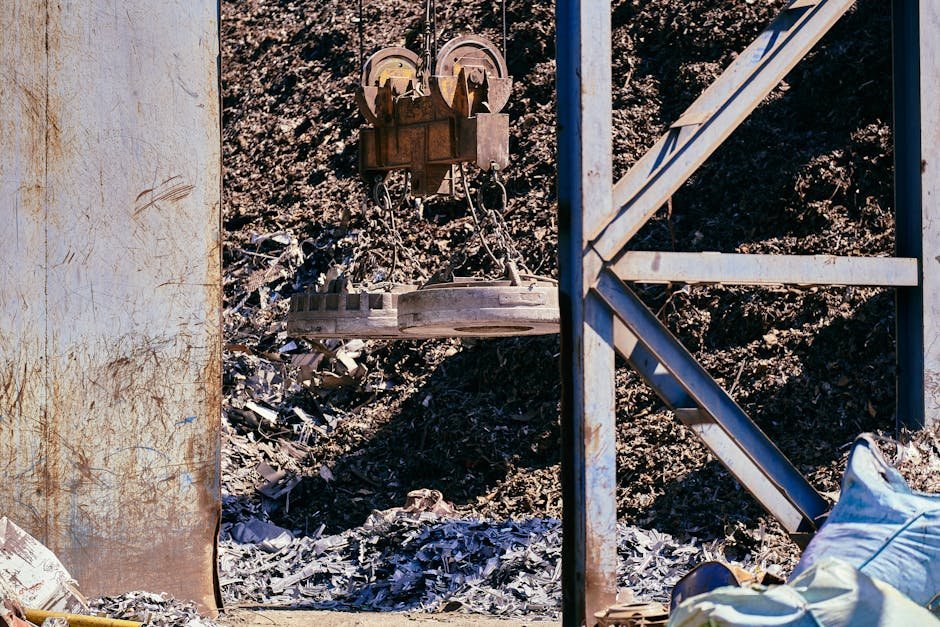

Price for stainless steel scrap is a dynamic metric influenced by global commodity markets, local supply chains, and material composition. In Australia, stainless steel recycling plays a critical role in the circular economy, with over 80% of stainless steel products being recycled annually. This guide provides a comprehensive breakdown of current pricing models, grading systems, and the environmental impact of stainless steel recycling.
Understanding Stainless Steel Scrap Pricing Mechanisms
The price for stainless steel scrap is determined by a combination of factors, including:
- Global steel market trends (e.g., iron ore prices, Chinese demand)
- Grade and chemical composition (e.g., 304 vs. 316 stainless steel)
- Supply/demand imbalances in Australian recycling hubs
- Processing costs for sorting, melting, and refining
According to the Australian Scrap Metal Traders Association, 2024-2025 has seen a 15% increase in stainless steel scrap prices compared to the previous year, driven by infrastructure projects and green steel initiatives. For the most current stainless steel scrap price specific to your region, consult local scrapyards or online tracking platforms.
Grading System and Its Impact on Value
Stainless steel scrap is categorized into grades based on its alloy composition, with the most common types in Australia including:
1. 304 Stainless Steel (18/8)
- Contains 18% chromium and 8% nickel
- Most widely used grade in construction, food processing, and automotive industries
- Typical price range: $1.80-$2.50/kg
2. 316 Stainless Steel (Marine Grade)
- Includes molybdenum for enhanced corrosion resistance
- Common in marine, chemical, and pharmaceutical applications
- Higher value due to rare element content: $2.20-$3.00/kg
3. 430 Stainless Steel
- Chromium-rich alloy with no nickel
- Used in household appliances and exhaust systems
- Lower price point: $1.20-$1.80/kg
Proper grade identification is crucial for maximizing returns. Use magnet tests or alloy analyzers to confirm grades before selling. For detailed pricing by grade, visit the stainless steel 316 scrap price page.
Factors Influencing Stainless Steel Scrap Prices
1. Global Commodity Markets
The Australian steel price per tonne is closely tied to the London Metal Exchange (LME) and Shanghai Futures Exchange. Price fluctuations in ferrous metals like mild steel or non-ferrous metals like copper indirectly affect stainless steel valuation through scrap blending ratios.
2. Environmental Regulations
Government policies promoting circular economy initiatives (e.g., Australia’s National Waste Policy Action Plan 2024) have increased demand for recycled stainless steel. Recyclers now pay premiums for clean, pre-sorted scrap to meet ESG (Environmental, Social, Governance) targets.
3. Regional Supply Chains
Prices vary significantly between states due to:
- Proximity to processing facilities (e.g., Port Kembla vs. Darwin)
- Local industrial activity levels
- Transportation costs for bulk shipments
For example, Sydney scrapyards may offer $0.30/kg more than rural Queensland for 304 stainless sheet metal due to higher demand from manufacturing clusters.
The Stainless Steel Recycling Process
The recycling process involves three key stages:
- Collection and Sorting: Mixed scrap is separated using Eddy current separators for non-ferrous metals and magnetic separators for mild steel. Sheet metal and scrap steel require specialized shearing equipment.
- Melting and Refining: Scrap is melted in electric arc furnaces (EAFs) and refined to remove impurities. This step requires precise control of elements like nickel and molybdenum to maintain grade integrity.
- Reformation: Recycled steel is cast into slabs, billets, or coils for reuse in new products. The process saves 70% of the energy required for virgin steel production.
High-purity scrap yields better returns, as impurities increase processing costs. Always choose recyclers with ISO 9001 certification for optimal value.
Environmental and Economic Benefits of Recycling
Recycling stainless steel reduces:
- Energy consumption by 65% compared to primary production
- Carbon emissions by 40% per tonne recycled
- Landfill waste by diverting 85% of industrial scrap
Australian recycling efforts contribute to the circular economy by closing the material loop. For every 1,000 tonnes of stainless steel recycled, approximately 2,200 tonnes of CO₂ emissions are avoided.
Maximizing Your Returns: Practical Tips
- Sort scrap by grade and remove contaminants (e.g., paint, dirt)
- Time sales during price peaks (typically Q1-Q2 due to construction cycles)
- Negotiate volume discounts for bulk consignments
- Obtain certificates of origin for high-value grades
For actionable strategies, consult the Stainless Scrap Price How To Sell Stainless Steel Scrap For Maximum Profit guide.
Current Market Trends (2025)
Recent developments shaping the price for stainless steel scrap include:
- Increased use of 316 stainless in renewable energy infrastructure
- Steel Industry Decarbonisation Roadmap (2025) driving demand for low-carbon scrap
- Regional price disparities widening due to port congestion and logistics constraints
Monitor the stainless steel material price dashboard for real-time updates and historical trends.
FAQs About Stainless Steel Scrap Pricing
1. How often do stainless steel scrap prices change?
Prices can fluctuate monthly based on global markets, but stable grades like 304 tend to see smaller variations than specialty alloys. Check Scrap Trade for daily price updates.
2. Can I mix different stainless steel grades for recycling?
Mixing grades reduces overall value. Separate 304, 316, and 430 stainless steel for maximum returns. Unsorted scrap receives 20-30% less per kg.
3. What’s the best way to identify stainless steel grades?
Use a combination of magnetic tests, spark tests, and chemical spot tests. Professional grading services are recommended for large consignments.
4. How does recycling stainless steel benefit the environment?
Recycling reduces energy use by 65%, cuts mining waste by 90%, and prevents 1.5 tonnes of CO₂ emissions per tonne of scrap processed.
Conclusion: Navigating the Stainless Steel Scrap Market
Understanding the price for stainless steel scrap requires attention to market signals, material quality, and regional logistics. By leveraging this guide’s insights on grade differentiation, pricing drivers, and sustainable practices, Australian businesses can optimize their recycling returns while contributing to environmental goals. For ongoing price tracking and industry insights, visit Scrap Trade Australia for the latest data and expert analysis.
Frequently Asked Questions
How often do stainless steel scrap prices change?
Prices can fluctuate monthly based on global markets, but stable grades like 304 tend to see smaller variations than specialty alloys. Check https://scrap.trade for daily price updates.
Can I mix different stainless steel grades for recycling?
Mixing grades reduces overall value. Separate 304, 316, and 430 stainless steel for maximum returns. Unsorted scrap receives 20-30% less per kg.
What’s the best way to identify stainless steel grades?
Use a combination of magnetic tests, spark tests, and chemical spot tests. Professional grading services are recommended for large consignments.
How does recycling stainless steel benefit the environment?
Recycling reduces energy use by 65%, cuts mining waste by 90%, and prevents 1.5 tonnes of CO₂ emissions per tonne of scrap processed.