

Overview of the 316 Stainless Steel Scrap Market
The scrap price 316 stainless steel is a key indicator for manufacturers, recyclers and scrap dealers across Australia. 316 stainless steel, known for its superior corrosion resistance due to molybdenum content, is widely used in marine applications, chemical processing equipment and medical devices. Because of its high alloy content, 316 commands a premium over more common grades such as 304 stainless or mild steel. Understanding the current market value per kg helps sellers time their sales, negotiate better rates and align their inventory strategies with global steel price trends.
How Scrap Prices Are Determined
Scrap pricing is not a static figure; it fluctuates daily based on a blend of macro‑economic and micro‑level factors. The primary drivers include:
- Global steel price per tonne: International commodity exchanges set the baseline for all steel grades. When the steel price per tonne rises, scrap prices typically follow suit.
- Supply and demand dynamics: A surge in construction projects or a slowdown in manufacturing can shift the balance, tightening or loosening the market.
- Currency exchange rates: The Australian dollar’s strength against the US dollar affects import costs for alloying elements, which in turn influences scrap valuations.
- Processing costs: Energy, labor and transportation expenses incurred by recyclers are factored into the final offer to sellers.
- Regulatory environment: Environmental regulations, such as carbon pricing, can add cost to primary production, making recycled steel more competitive.
Recyclers aggregate these inputs, apply a margin for profit and risk, and publish a price per kilogram that reflects the current market equilibrium. For real‑time figures, consult the Stainless Steel Scrap Price page.
Grades of Stainless Steel Scrap and Their Relative Values
Not all stainless steel scrap is created equal. Grading systems categorize material based on alloy composition, contamination level and form factor. The most common grades include:
- 304 stainless scrap: The workhorse of the industry, 304 is abundant and typically priced 10‑15% lower than 316.
- 316 stainless scrap: Premium grade with molybdenum, yielding higher resale values.
- 310/321 stainless scrap: High‑temperature alloys that command niche premiums.
- Non‑ferrous inclusions: Copper, nickel and chromium that are separated during processing and sold separately.
Accurate grading is essential because buyers will deduct points for contamination (e.g., oil, paint, mixed alloys). Certified grading reports can increase confidence and lead to better rates.
Key Factors That Influence the scrap price 316 stainless steel
While the broad market forces set the baseline, several specific variables have a direct impact on the scrap price 316 stainless steel you receive:
- Purity and alloy composition: Higher nickel and molybdenum content boosts value. A 316 grade with 10% nickel and 2% molybdenin will fetch more than a downgraded alloy.
- Form of the scrap: Sheet metal, pipe, bar or turnings each have different handling costs. Clean, flat sheet metal often yields a higher price per kg than tangled wire.
- Weight and volume: Larger, denser loads reduce transportation costs per kilogram, allowing recyclers to offer a better rate.
- Regional supply: In coastal cities like Sydney and Melbourne, where marine‑grade 316 is in high demand, prices tend to be at the top of the range.
- Seasonal demand: Construction booms in the Australian summer can drive up demand for stainless components, nudging prices upward.
For a detailed breakdown of how these factors translate into actual numbers, see the guide on Scrap Steel Price Per Kg A Complete Guide For Sellers.
The Recycling Process for Stainless Steel
Recycling 316 stainless steel is a sophisticated, energy‑efficient operation that preserves alloy integrity. The typical flow is:
- Collection and segregation: Scrap is gathered from demolition sites, manufacturing leftovers and consumer drop‑offs. Segregation ensures that 316 is not mixed with lower‑grade alloys.
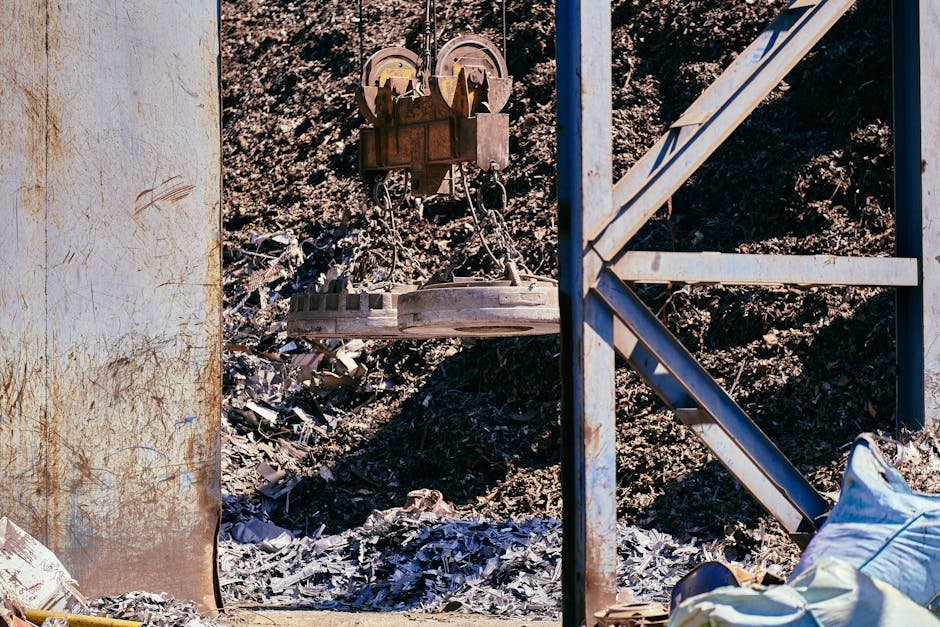
- Shredding and magnetic separation: Ferrous metal shredders reduce size, while magnetic drums pull out ferrous fragments from non‑ferrous contaminants.
- Sensor‑based sorting: Advanced spectrometers detect alloy composition, separating 316 from 304, 310 and other grades.
- Melting in an electric arc furnace (EAF): The clean 316 scrap is melted at temperatures around 1,600 °C. Because the alloy is already high‑grade, only minimal additions of nickel, chromium or molybdenum are needed.
- Refining and casting: Vacuum degassing removes trapped gases, and the molten metal is cast into billets, slabs or ingots for downstream manufacturers.
The entire cycle consumes roughly 60‑70% less energy than producing virgin 316 from ore, translating into lower carbon emissions and cost savings for the steel industry.
Environmental and Economic Benefits of Recycling 316 Stainless Steel
Recycling stainless steel delivers tangible benefits that extend beyond the scrap yard:
- Reduced greenhouse gas emissions: Recycling 316 avoids the CO₂‑intensive mining and smelting of raw ore, cutting emissions by up to 2.5 tons per tonne of steel.
- Conservation of natural resources: Nickel, chromium and molybdenum are finite. Recycling recovers up to 95% of these valuable elements.
- Economic multiplier effect: Every kilogram of recycled stainless steel supports jobs in collection, processing, logistics and manufacturing.
- Waste diversion: By diverting scrap from landfills, communities reduce soil and water contamination risks.
These advantages align with Australia’s National Waste Policy and the circular economy goals set by the Australian Government. Companies that source recycled 316 can also claim sustainability credits, enhancing brand reputation.
Practical Tips for Sellers to Maximize Profit
Whether you are a small‑scale contractor or a large industrial producer, the following strategies can help you secure the best possible scrap price 316 stainless steel:
- Know the market: Track daily price updates on reputable platforms such as the stainless steel 316 scrap price page.
- Maintain clean, segregated stock: Remove oil, paint and non‑ferrous debris before delivery. Clean sheet metal often commands a premium of 5‑10%.
- Bundle for volume: Consolidate scrap into pallets or bulk containers to lower handling fees.
- Leverage multiple quotes: Contact several licensed recyclers, including those listed on the price for stainless steel scrap page, to negotiate the highest offer.
- Schedule deliveries during high‑demand periods: Align shipments with known construction peaks or marine‑industry procurement cycles.
- Document grade and weight accurately: Providing certified weight tickets and grade certificates reduces disputes and speeds up payment.
- Utilise online marketplaces: Platforms like Scrap Trade marketplace connect sellers directly with vetted buyers, often resulting in better margins.
By implementing these best practices, sellers can improve cash flow, reduce storage costs and contribute to a greener steel supply chain.
Where to Find Reliable Pricing Information and Services
Accurate, up‑to‑date pricing data is essential for making informed decisions. In addition to the internal resources listed above, consider these external references:
- ScrapTrade Australia – a national network of licensed scrap dealers offering real‑time price feeds.
- Australian Steel Institute (ASI) market reports – provide quarterly insights on steel price per tonne trends.
- World Bank commodity price data – useful for tracking global macro trends that affect local scrap values.
Combining local price feeds with global market intelligence gives you a comprehensive view of the forces shaping the scrap price 316 stainless steel landscape.
Conclusion: Turning Waste into Value
The scrap price 316 stainless steel is a dynamic figure driven by global steel economics, alloy purity, regional demand and recycling efficiencies. By understanding how prices are set, recognizing the grades that command premiums, and following practical selling tips, you can turn what might be considered waste into a profitable, environmentally responsible resource. As Australia continues to embrace circular‑economy principles, the demand for high‑grade recycled stainless steel will only grow, making informed participation in this market a smart business move.
Related: Stainless Scrap Price How To Sell Stainless Steel Scrap For Maximum Profit
Frequently Asked Questions
How often does the scrap price 316 stainless steel change?
Prices are typically updated daily on major scrap trading platforms, reflecting shifts in global steel prices, currency rates and local supply‑demand balances.
Can I sell mixed stainless steel scrap and still get a good price?
Mixed grades reduce the premium you receive. It’s best to segregate 316 from lower‑grade alloys; however, reputable recyclers will still pay a fair price based on the overall alloy content.
What documentation do I need to receive the best price?
Provide accurate weight tickets, grade certification, and a clean, contaminant‑free load. Documentation reduces disputes and can unlock higher rates.
Is recycling 316 stainless steel more environmentally friendly than producing new steel?
Yes. Recycling uses up to 70% less energy and recovers valuable alloying elements, resulting in significantly lower carbon emissions and resource consumption.