

Sydney stainless steel suppliers sit at the crossroads of Australia’s biggest fabrication market and the nation’s busiest port, giving buyers and sellers unrivalled access to mill-certified coil, off-cut programmes and high-value Stainless Steel Scrap Price data that tracks the nickel cycle in real time.
Why Sydney Dominates Australia’s Stainless Supply Chain
Three-quarters of Australia’s imported stainless arrives through Port Botany. The same wharves handle ferrous metal, mild steel and sheet metal, so distributors can mix loads and keep freight rates low. Local mills such as Outokumpu’s former plate service centre at Campbelltown and the new coil slitting line at Yennora mean stockists can deliver 304 stainless and 316 stainless within 24 h to any metro site—faster than Brisbane or Melbourne suppliers who must rail material north.
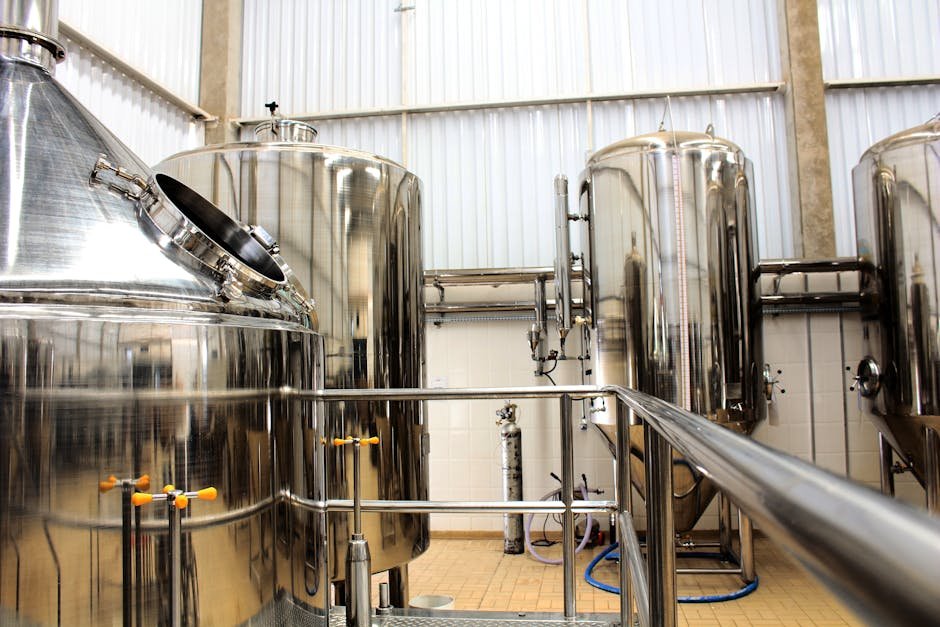
The concentration of stainless steel sheet suppliers Sydney has also created a deep secondary market. Off-cuts from CNC plasma tables, redundant brewery tanks and demolished balustrading feed a daily flow of stainless steel scrap that scrap yards buy by the tonne. Whether you are a fabricator looking for prime 2B sheet or a demolition contractor weighing scrap steel, Sydney offers liquidity that regional cities cannot match.
Grades, Finishes & Forms You Can Source Today
Most stainless steel sheet suppliers sydney carry the following in 0.55 mm–25 mm thickness:
- 304/304L: General-purpose, 18 % Cr, 8 % Ni, low carbon for welding. Stocked in 2B, #4, BA and checker plate.
- 316/316L: Mo-bearing for marine cladding, chemical tanks and architectural mesh. Available in 2B and #4, plus 320 grit for food-grade welds.
- 430: Ferritic, magnetic grade for appliance skins and automotive trim; lower nickel means lower stainless steel scrap value.
- Duplex 2205: Twice the yield strength of 316; used for chloride-rich water treatment plants on the Northern Beaches.
Beyond sheet, Sydney merchants keep sizeable pipe, angle, flat bar and reinforcement bar inventories. If you need 316L schedule 10s pipe for a desalination upgrade, you can collect ex-yard Revesby or have it delivered same-day to site. Regional buyers are not so lucky; they often wait five–seven days ex stainless steel suppliers brisbane or Melbourne.
How Mill Prices Are Calculated & Hedged
Mill prices follow the London Metal Exchange (LME) nickel 3-month official settlement plus a regional premium. When nickel spikes above USD 25,000/t, domestic mills apply a surcharge that adds ~AUD 1.20/kg to 304 base prices. Sydney distributors typically quote “base + surcharge + GST” and update lists every Tuesday morning. Large consumers—breweries, hospitals, prefabricated plant rooms—lock in three-month hedge contracts so they can tender projects without exposure to currency swings.
For small-to-medium buyers, timing is trickier. If you need five sheets of 2 mm 304 for a food-tray fabricator, you pay the spot list minus whatever discount your supplier grants. A 5 % discount is common for account holders with 30-day terms; 10 % is possible if you collect ex-yard and pay cash. Track the Stainless Steel Scrap Calculator Estimate Your Material Value to understand the floor—when scrap falls below AUD 1.50/kg delivered, prime sheet rarely stays above AUD 4.50/kg.
Scrap & Recycling: Turning Swarf into Cash
Sydney generates more stainless steel scrap than any other Australian city: aircraft maintenance at Mascot, beverage canning at Huntingwood, brewery tanks at Camperdown and miles of balustrading ripped out during office retrofits. The trick is separating 316 stainless from 304 stainless. A handheld XRF gun pays for itself in weeks; molybdenum in 316 adds ~15 % to the stainless steel scrap price per tonne.
Clean, 316 solids free of rubber, plastic or mild steel attachments routinely fetch AUD 2.20–2.60/kg ex-yard when nickel is USD 21,000/t. Contaminated material (mixed with stainless steel turnings or painted sheet metal) drops to 70 % of that. Oil-soaked CNC chips are downgraded further because the yard must burn off coolant. Read our step-by-step guide on Stainless Steel Recycling How To Sell Scrap For Maximum Profit to learn how to cut, sort and pack for top dollar.
Where to Buy Small & Large Quantities
Metro Sydney divides into three procurement zones:
- Inner West (Silverwater–Rhodes): Plate service centres with 8 m laser and high-definition plasma. Ideal for custom-cut bridge parapets or architectural panels. Minimum order one plate, but surcharges apply below 250 kg.
- South-West (Minto–Ingleburn): Stockists focused on pipe, RHS and merchant bar. Good for fabricators who need 316L handrail systems cut and chamfered.
- West (Wetherill Park–Yennora): Coil slitting and blanking lines that supply white-goods OEMs. Will sell prime coil remnants at a 30 % discount if you take full 2–3 t bundles.
Before you commit, request mill test certificates (MTC) to EN 10204 3.1. Reputable Sydney stainless steel suppliers email these within the hour; if a vendor hesitates, walk away—substitution of 304 for 316 has serious liability implications, especially on coastal pools where chloride stress corrosion can precipitate catastrophic failure.
Sustainability & Carbon Credentials
Stainless is 100 % recyclable and loses none of its alloying value. Roughly 90 % of Sydney’s stainless steel scrap is re-melted in electric arc furnaces in Asia, then re-imported as new coil. By selling to local scrap yards listed on https://scrap.trade instead of landfilling, you cut CO₂ emissions by 3.3 t for every tonne recycled versus virgin ore. Increasingly, tier-one builders ask for recycled content declarations; holding a weighbridge docket from a https://scraptrade.com.au verified recycler satisfies Green Star and Infrastructure Sustainability (IS) rating schemes.
Practical Tips for Importers, Fabricators & Demolition Contractors
- Bundle your loads: Combining 316 stainless off-cuts with other non-ferrous raises the average price; keep ferrous metal separate to avoid cross-contamination penalties.
- Strip coatings early: Removing rubber or paint before material hits the yard saves 20 c/kg in downgrades.
- Negotiate on Tuesdays: Sydney yards issue new prices Monday night; you get first pick before smaller traders flood the gates Wednesday.
- Keep moisture out: Wet swarf weighs more but is discounted 5–7 %; store in covered bins.
- Document everything: Photograph each load, record serial numbers and request assay receipts. If the nickel price spikes after you deliver, you have evidence for a retrospective adjustment clause.
Conclusion: Get More from Sydney’s Market
Sydney stainless steel suppliers offer unmatched speed, variety and liquidity whether you need prime 304 sheet for a commercial kitchen or want to monetise 316 stainless scrap from a decommissioned chemical plant. Understand how nickel drives the steel price per tonne, separate your grades and use digital tools like the scrap calculator to time sales. Do that and you’ll extract maximum value from every kilo that moves through the harbour city’s stainless ecosystem.
Frequently Asked Questions
What is the current stainless steel scrap price per kg in Sydney?
Prices track the LME nickel quote. Clean 316 solids are trading AUD 2.20–2.60/kg ex-yard, while 304 solids fetch AUD 1.70–2.00. Contaminated or mixed material is discounted 25–30 %.
How can I tell 304 from 316 stainless steel?
Use a handheld XRF analyser; 316 contains 2–3 % molybdenum, 304 has none. Alternatively, apply moly test drops—316 shows a green tint after 30 s.
Where do Sydney stainless steel suppliers source their coil?
Major mills include Outokumpu (Finland), Tisco (China), Acerinox (Spain) and Jindal (India). Coil arrives at Port Botany and is slit locally at Yennora or Campbelltown.
Is it cheaper to buy stainless in Brisbane and truck it to Sydney?
Rarely. Brisbane suppliers add rail or road freight of AUD 0.12–0.15/kg. Sydney’s port proximity and larger stockists usually deliver a lower landed price, especially for urgent orders.