
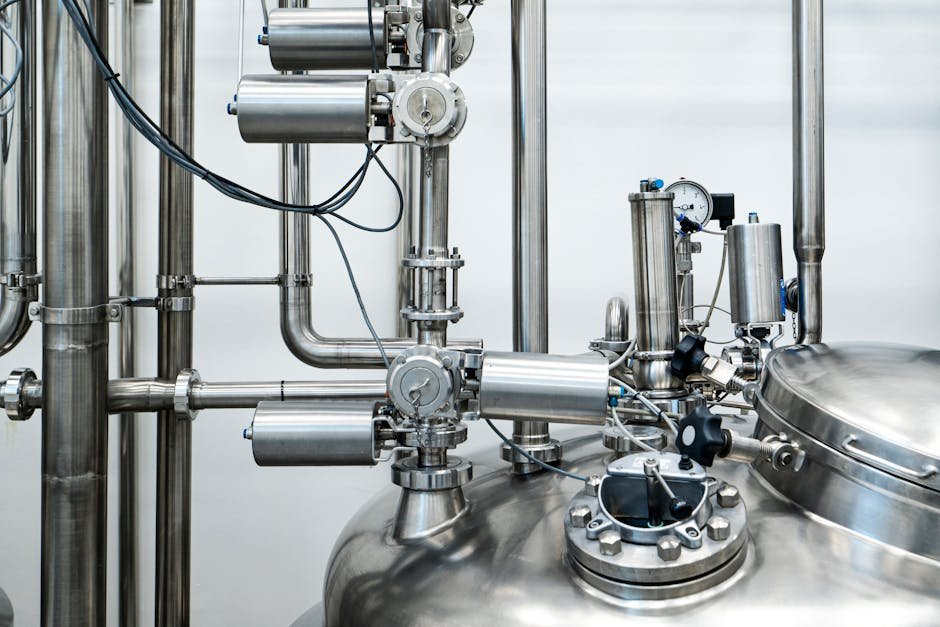

What Is Stainless Steel Pipe 316?
The stainless steel pipe 316 is a high-performance austenitic alloy known for its excellent corrosion resistance and durability. Compared to the more common 304 grade, 316 contains molybdenum, which significantly improves its resistance to chlorides, making it ideal for coastal applications, desalination plants, and food processing equipment. This alloy is frequently used in environments where structural integrity under corrosive conditions is critical.
Due to its robust composition, stainless steel pipe 316 is commonly found in industrial piping systems, pharmaceutical manufacturing, and marine hardware. Its ability to withstand high temperatures and resist oxidation adds to its appeal across engineering and construction sectors in Australia. Whether in welded or 316 stainless steel seamless pipe form, this material maintains consistent strength and longevity.
Scrap Value and Market Pricing in Australia
For recyclers and metal traders, understanding the scrap value of stainless steel pipe 316 is crucial. The current Stainless Steel Scrap Price fluctuates based on global nickel and molybdenum markets, with 316 typically fetching a higher return than 304 due to its enhanced alloy content. Australian scrapyards often pay premium rates for clean, segregated 316 pipe material.
To estimate your return, use the Stainless Steel Scrap Calculator Estimate Your Material Value tool. This helps you determine the approximate worth of your stainless piping based on weight, grade, and current market rates. Whether you’re a contractor clearing a job site or a facility upgrading piping systems, knowing your material’s value maximizes return.
Find reliable buyers through Metal Pipe Scrap Buyers Copper Steel Stainless Pipe services across major cities. These certified recyclers accept large volumes and ensure transparent pricing. For sheet material, explore options like sheet stainless steel recycling, which follows similar valuation principles.
Why Choose 316 for Industrial and Recycling Applications?
Industries across Australia trust stainless steel pipe 316 for critical infrastructure because of its longevity and low maintenance. It resists scaling and cracking under thermal stress and performs well in acidic and alkaline environments. This makes it a preferred choice in wastewater treatment, offshore platforms, and high-purity manufacturing.
From a recycling perspective, 316 is highly desirable. Its high reclamation rate supports sustainable manufacturing cycles. Scrap processors can easily melt and refine it for reuse in new industrial products. For businesses, partnering with reputable platforms like Scrap Trade and Scrap Trade Australia ensures efficient pickup, competitive pricing, and compliance with environmental standards.
Key benefits include:
- Superior corrosion resistance in saline and chemical environments
- High scrap resale value compared to other stainless grades
- Wide availability of buyers and recycling services across Australia
- Compatibility with automated sorting and processing systems
Whether you’re sourcing material for a project or recycling excess piping, understanding the properties and market dynamics of 316 stainless steel ensures smarter decisions.
Frequently Asked Questions
What makes stainless steel pipe 316 different from 304?
Stainless steel pipe 316 contains molybdenum, which enhances its resistance to chlorides and pitting corrosion, making it more suitable for marine and chemical environments than 304.
Where can I sell stainless steel pipe 316 in Australia?
You can sell it to certified scrap buyers listed on platforms like Scrap Trade and Scrap Trade Australia, which connect sellers with trusted recyclers nationwide.
How is the scrap price for 316 stainless steel determined?
The price depends on global markets for nickel and molybdenum, material cleanliness, weight, and local demand. Use the Stainless Steel Scrap Calculator for accurate estimates.
Can I recycle stainless steel pipes with other metals?
It’s best to separate stainless steel pipe 316 from other metals to avoid contamination and ensure you receive the highest possible scrap value for your material.