
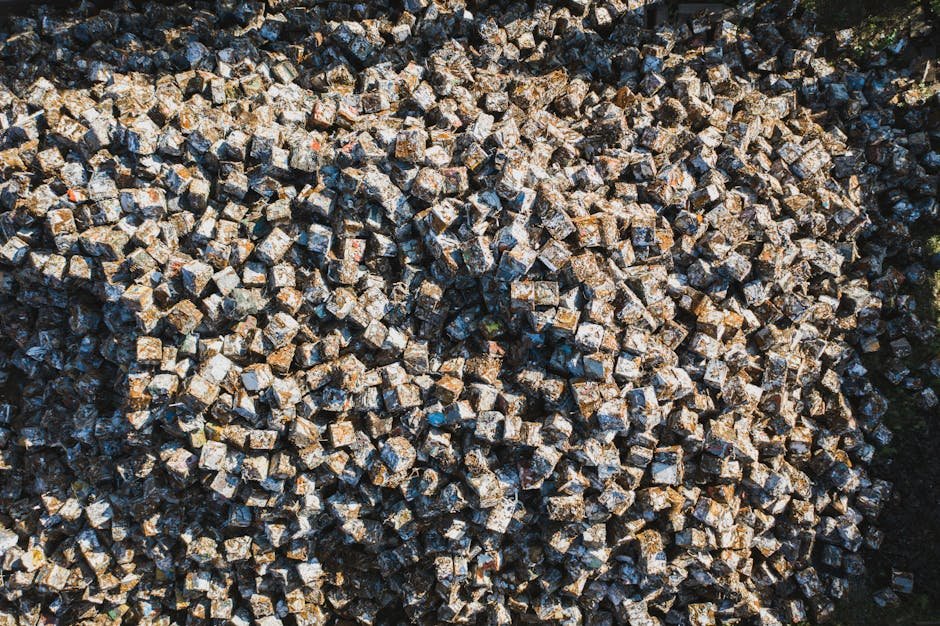

316 scrap is a highly sought-after material in the Australian market, known for its high-grade stainless steel alloy composition. This article will delve into the world of 316 scrap, exploring its grades, recycling processes, and environmental benefits.
What is 316 Scrap?
316 scrap, also known as 316 stainless steel scrap, is a high-grade alloy composed of chromium, nickel, and molybdenum. It is prized for its high strength, corrosion resistance, and ability to withstand extreme temperatures. In Australia, 316 scrap is widely used in various industries, including construction, manufacturing, and aerospace.
When recycling 316 scrap, it’s essential to understand its different grades. This knowledge will help you navigate the market and ensure you receive the best possible price for your material.
Grades of 316 Scrap
There are several grades of 316 scrap, including:
- 304/316 grade A: This is the highest-grade 316 scrap, composed of 70% stainless steel and 30% other metals.
- 304/316 grade B: This grade contains 50% stainless steel and 50% other metals.
- 304/316 grade C: This grade consists of 30% stainless steel and 70% other metals.
- 304/316 grade D: This is the lowest-grade 316 scrap, composed of 10% stainless steel and 90% other metals.
Each grade has its own market value, and understanding the differences is crucial for maximizing your profits.
Recycling 316 Scrap
Recycling 316 scrap involves several steps, including collection, sorting, and processing. In Australia, many scrap metal traders offer recycling services for 316 scrap, ensuring a responsible and environmentally friendly approach to waste management.
When recycling 316 scrap, it’s essential to choose a reputable trader who follows strict environmental guidelines. At Scrap Trade, we prioritize sustainability and ensure our recycling processes meet the highest standards.
The recycling process for 316 scrap typically involves the following steps:
- Collection: Scrap metal traders collect 316 scrap from various sources, including construction sites, manufacturing facilities, and households.
- Sorting: The collected 316 scrap is sorted according to its grade and composition.
- Shredding: The sorted 316 scrap is shredded into small pieces to increase its surface area.
- Melting: The shredded 316 scrap is melted in a furnace to produce a molten metal.
- Refining: The molten metal is refined to produce high-quality stainless steel.
Environmental Benefits of Recycling 316 Scrap
Recycling 316 scrap offers numerous environmental benefits, including:
- Conservation of natural resources: Recycling 316 scrap reduces the need for extracting and processing raw materials from the earth.
- Reduction of greenhouse gas emissions: Recycling 316 scrap reduces the energy required to produce new metal, resulting in lower greenhouse gas emissions.
- Minimization of waste: Recycling 316 scrap ensures that waste is minimized, reducing the amount of material sent to landfills.
In Australia, recycling 316 scrap is not only environmentally friendly but also economically beneficial. By choosing to recycle your 316 scrap, you can earn a higher price for your material and contribute to a more sustainable future.
At Scrap Trade, we make it easy to find a reputable trader near you. Simply enter your location and we’ll connect you with a trusted partner who can help you recycle your 316 scrap responsibly.
So why wait? Learn more about 316 scrap and start recycling today!
For a comprehensive guide on scrap metal trading in Australia, visit What Is Scrap Trade and discover the world of scrap metal trading.
Additionally, you can explore the various types of scrap metal, including hs scrap, and learn how they can be recycled and reused in various industries.
Conclusion
Recycling 316 scrap is a responsible and environmentally friendly approach to waste management. By understanding the different grades of 316 scrap and the recycling process, you can maximize your profits and contribute to a more sustainable future.
At Scrap Trade, we prioritize sustainability and ensure our recycling processes meet the highest standards. Contact us today to learn more about recycling 316 scrap and start making a positive impact on the environment.
Practical Tips for Recycling 316 Scrap
Here are some practical tips to keep in mind when recycling 316 scrap:
- Sort your material: Ensure you separate your 316 scrap from other types of metal to maximize its value.
- Choose a reputable trader: Select a trusted partner who follows strict environmental guidelines and offers competitive prices.
- Understand the market value: Research the current market value of your 316 scrap to ensure you receive the best possible price.
- Consider recycling other materials: Think about recycling other materials, such as scrap and scrap trade, to minimize waste and maximize your profits.
FAQs
Here are some frequently asked questions about 316 scrap and recycling:
-
What is the difference between 304 and 316 scrap?
304 scrap contains 18% chromium and 8% nickel, while 316 scrap contains 16% chromium and 10% nickel. This difference affects the material’s corrosion resistance and strength.
-
Can I recycle 316 scrap at home?
No, it’s not recommended to recycle 316 scrap at home. Instead, contact a reputable trader who follows strict environmental guidelines and offers competitive prices.
-
How do I sort my 316 scrap?
Sort your 316 scrap by grade and composition to maximize its value. Ensure you separate it from other types of metal to prevent contamination.
-
What are the environmental benefits of recycling 316 scrap?
Recycling 316 scrap conserves natural resources, reduces greenhouse gas emissions, and minimizes waste. By choosing to recycle your 316 scrap, you can contribute to a more sustainable future.
Related: Scrap Near Me In 2026
Related: What Is Scrap Trade
Frequently Asked Questions
What is the difference between 304 and 316 scrap?
304 scrap contains 18% chromium and 8% nickel, while 316 scrap contains 16% chromium and 10% nickel. This difference affects the material’s corrosion resistance and strength.
Can I recycle 316 scrap at home?
No, it’s not recommended to recycle 316 scrap at home. Instead, contact a reputable trader who follows strict environmental guidelines and offers competitive prices.
How do I sort my 316 scrap?
Sort your 316 scrap by grade and composition to maximize its value. Ensure you separate it from other types of metal to prevent contamination.
What are the environmental benefits of recycling 316 scrap?
Recycling 316 scrap conserves natural resources, reduces greenhouse gas emissions, and minimizes waste. By choosing to recycle your 316 scrap, you can contribute to a more sustainable future.