
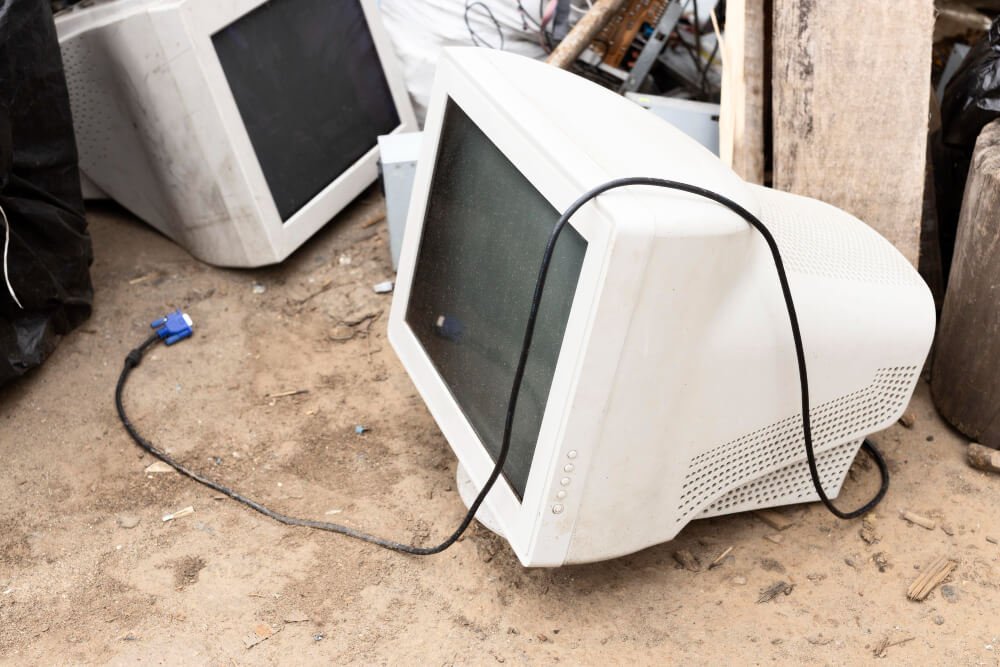

How Much is 1 kg Computer Scrap Worth: Current Prices & Selling Tips (2026)
Old computers contain a surprising mix of valuable metals and reusable components. From copper in circuit boards and wiring, to gold in connectors and contacts, aluminum in casings, and steel in frames, there’s a lot more to computer scrap than meets the eye. In addition to metals, many parts such as motherboards, hard drives, and RAM can be refurbished or sold to recyclers.
A common question among sellers is: “How much is 1 kg of computer scrap worth?” The truth is, prices fluctuate constantly depending on metal market rates, the type of equipment, and the condition of the components. Without up-to-date pricing knowledge, it’s easy to undervalue your devices and miss out on potential profit.
In this guide, you’ll learn the current value of 1 kg of computer scrap, understand the key factors that influence pricing, and discover practical, actionable tips for selling computer scrap efficiently. Whether you’re clearing out old desktops, monitors, motherboards, or hard drives, this article provides a step-by-step approach to maximize cash from computer recycling while staying safe and compliant. By the end, you’ll be equipped to turn unused electronics into cash, make informed selling decisions, and avoid common mistakes that reduce your earnings.
Current Computer Scrap Prices (2026)
Computer Scrap Price Table
| Computer Scrap Type | Price (AUD/kg) | Notes |
|---|---|---|
| Desktop Computers (Full) | $15 – $35 | Includes case, power supply, motherboard, HDD, RAM; bulk sales may increase value |
| Laptops & Notebooks | $20 – $45 | Often higher copper and gold content in motherboards and high-density components |
| Motherboards & PCBs | $25 – $55 | High value due to copper layers, gold-plated contacts, and recoverable precious metals |
| Hard Drives & Storage | $10 – $25 | Small amounts of metals, rare earth magnets, and aluminum; value increases in bulk |
| Mixed Computer Scrap | $12 – $30 | Broken or unsorted computers; per-kg value is lower due to mixed composition |
Pricing Insights
Understanding what drives computer scrap prices can help sellers make smarter decisions and maximize their profits:
- Motherboards & Laptops Lead in Value: These components contain the highest concentration of copper and precious metals, making them the most profitable per kilogram. High-end or server-grade boards may command premium rates.
- Full Desktop Units Can Be Profitable in Bulk: While desktops contain mixed materials plastic, steel, aluminum, and electronic components selling multiple units together can still be lucrative. Sorting the higher-value boards and components before selling further boosts returns.
- Hard Drives & Storage Devices: These contain magnets and small amounts of metals. While not as valuable as motherboards, collecting hard drives in bulk can add up over time.
- Mixed or Broken Computers: Scrap that is unsorted or broken generally commands lower per-kilogram rates, as recyclers must spend extra labor separating metals. Sorting and removing non-metal parts can improve offers significantly.
- Market Fluctuations: Prices fluctuate depending on global copper, aluminum, and precious metal markets, as well as local demand for e-waste recycling. Staying updated with live scrap pricing ensures sellers get competitive rates.
Factors Affecting Computer Scrap Value
The price you receive for computer scrap isn’t fixed—it depends on several key factors. Understanding these elements can help you maximize returns and avoid undervaluing your e-waste.
1. Type of Components
Not all parts of a computer are equally valuable. Certain components contain higher concentrations of metals and precious materials:
- Motherboards & PCBs: Contain copper traces, gold-plated connectors, and sometimes silver or palladium. They are usually the most profitable component per kilogram.
- RAM & Hard Drives: Contain smaller amounts of copper and other metals. Hard drives also include rare earth magnets that have resale value.
- Casings & Power Supplies: Mostly steel and aluminum, which are lower-value metals. While they add bulk weight, they contribute less per kilogram compared to motherboards or high-density components.
Focusing on high-value components first can help increase the overall value of your scrap collection.
2. Purity & Sorting
How clean and organized your scrap is significantly affects pricing:
- Sorted Components: Separating motherboards, hard drives, RAM, and casings allows buyers to assess value quickly. Sorted scrap often commands higher per-kg rates because recyclers spend less time processing.
- Mixed or Contaminated Scrap: Boards mixed with plastic, cables, or broken casings reduce efficiency for buyers and lead to lower offers. Removing non-metallic parts and grouping similar components maximizes the per-kilogram payout.
3. Quantity & Bulk Selling
The amount of scrap you sell matters:
- Bulk Scrap: Selling larger quantities, such as multiple desktops, laptops, or motherboards at once, often results in better per-kg rates because buyers save on transport and processing costs.
- Small Quantities: While you can sell small amounts, many recyclers offer lower rates for minor volumes due to handling inefficiencies. Accumulating scrap before selling can increase total earnings.
4. Market Demand
Scrap pricing is heavily influenced by global commodity markets and local recycling demand:
- Global Metal Trends: Copper, gold, aluminum, and steel prices fluctuate daily based on supply, demand, and industrial usage. For example, rising copper prices directly increase the value of motherboard and wiring scrap.
- Local Recycling Demand: During periods of high e-waste collection such as corporate hardware upgrades or government recycling initiatives recyclers may offer higher rates to secure inventory.
How to Sell Computer Scrap
Selling computer scrap effectively requires planning and organization. Following a step-by-step process can help you maximize your profit while ensuring a safe and smooth transaction.
Step 1 – Identify & Sort Components
Start by collecting all your old computers and separating them into categories:
- Motherboards & PCBs: Highest value due to copper and precious metals.
- RAM & Storage (HDD/SSD): Contain small amounts of metals and rare-earth magnets.
- Power Supplies & Casings: Mostly steel and aluminum; add bulk but lower per-kg value.
- Batteries & Hazardous Parts: Remove lithium-ion batteries and other hazardous components before selling to comply with safety regulations.
Sorting components by type helps buyers quickly assess value and ensures you get better per-kilogram rates. Clean, organized scrap also reduces processing effort for recyclers.
Step 2 – Weigh Accurately
Accurate weighing is critical for fair pricing:
- Use a digital scale capable of measuring in grams or at least 0.1 kg increments.
- Record weights for each type of component separately—motherboards, RAM, hard drives, and casings.
- Keep a detailed log to verify buyer quotes and confirm payments.
Proper weighing ensures transparency and avoids disputes over payment amounts.
Step 3 – Compare Buyers
Not all buyers offer the same rates. Researching multiple options can significantly improve your earnings:
- Local Scrap Yards: Convenient for small quantities; check if they provide pickup service.
- Online Platforms for Instant Offers: Provide transparent quotes and often better rates. Trusted platforms include:
When comparing buyers, consider per-kg rates, pickup/delivery options, and reputation to avoid low offers or unreliable transactions.
Step 4 – Get Quotes & Sell
Once you’ve identified potential buyers:
- Share clear photos and component weights to give buyers an accurate assessment of your scrap.
- Decide on pickup or drop-off depending on convenience and volume. Pickup may be free for large quantities, but smaller batches often need drop-off.
- Confirm payment methods before delivering your scrap. Trusted options include bank transfer, PayPal, or verified cash collection. Never ship high-value scrap without confirmed payment.
Tips to Maximize Computer Scrap Value
Getting the best price for your computer scrap isn’t just about selling—it’s about preparing, sorting, and timing your sale. Here are actionable strategies to help you maximize returns:
- Separate High-Value Components: Prioritize motherboards, RAM, and high-density PCBs, as these contain the most copper, gold, and other precious metals. Even a small batch of server motherboards can significantly boost your total payout compared to mixed scrap.
- Remove Hazardous Materials: Lithium-ion batteries, toner cartridges, and liquid cooling fluids are hazardous and may reduce offers from buyers. Removing these not only ensures compliance with safety regulations but also makes your scrap more attractive to recyclers.
- Sell in Bulk: Larger quantities of sorted scrap often receive higher per-kilogram rates. Accumulating multiple desktops, laptops, or motherboards before selling can increase your overall earnings. Buyers appreciate bulk scrap because it reduces their handling and transport costs.
- Track Market Trends: Scrap prices fluctuate with the global copper, gold, aluminum, and steel markets. Monitoring these trends helps you time your sale to coincide with higher metal prices, maximizing profit. For example, a spike in copper prices can significantly increase motherboard and wiring scrap value.
- Compare Multiple Buyer Quotes: Don’t accept the first offer. Contact local recyclers and verified online platforms to get competitive quotes. Trusted online platforms like Scrap Trade, Scrap Trade Australia, and allow instant comparisons and ensure you get the best possible rate for your scrap.
FAQs on Computer Scrap
Q1: How much is 1 kg of computer scrap worth?
The value of 1 kg of computer scrap varies depending on component type, metal content, and condition, typically ranging from $12 to $55 AUD per kg. Motherboards and high-density PCBs are at the higher end due to copper and precious metals, while casings and power supplies fall on the lower end. Prices also fluctuate with global copper, gold, and aluminum markets, so checking live rates before selling is recommended.
Q2: Which computer scrap items have the highest value?
The most valuable computer scrap components are:
- Motherboards & PCBs: High copper and gold content.
- Laptops & Notebooks: Compact boards with dense circuitry often contain gold-plated connectors.
- Server and Industrial Boards: Premium due to thicker copper layers and additional precious metals.
Even small quantities of these items can add significant value to your scrap collection.
Q3: Can I sell broken computers?
Yes, broken or non-functional computers still contain valuable metals and electronic components. Motherboards, RAM, hard drives, and wiring can be recycled for cash. While the per-kg rate may be slightly lower for mixed or broken units, selling in bulk can still make it profitable.
Q4: Do I need to remove batteries and power supplies?
Yes, removing hazardous components like lithium-ion batteries, toner cartridges, and liquid-cooling fluids is strongly recommended. Not only does this ensure safe handling, but it also makes your scrap more attractive to buyers. Clean, sorted components generally fetch higher per-kilogram rates.
Knowing the value of 1 kg of computer scrap gives you the confidence to sell your old electronics without leaving money on the table. By sorting components, removing hazardous parts, and weighing each category accurately, you ensure buyers can assess the value properly and offer fair prices. Bulk sales of high-value components like motherboards, laptops, and server boards can significantly increase your per-kilogram returns.
Comparing quotes from multiple buyers especially through trusted online platforms like Scrap Trade, Scrap Trade Australia, helps you secure the best rates quickly and safely. Monitoring global metal market trends, including copper, gold, aluminum, and steel, also allows you to time your sale for maximum profit.
Whether you’re clearing out old desktops, laptops, hard drives, or motherboards, following these steps lets you turn unused computer scrap into cash efficiently and safely. Don’t let valuable e-waste sit idle check live scrap prices today, sort your components, and sell smartly to maximize your earnings.