

How Much is 1 kg Circuit Board Scrap Worth: Current Rates & Selling Tips
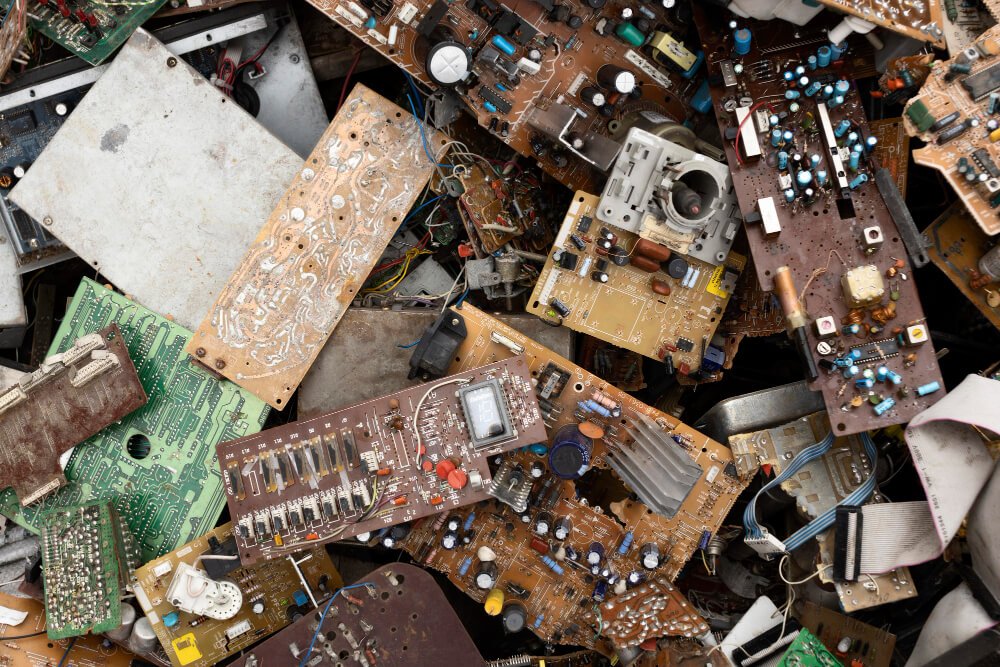
Circuit boards, also known as PCBs (printed circuit boards), are among the most valuable components in electronic waste. These boards are packed with copper, gold, silver, and other precious metals, making them highly sought after by recyclers and scrap buyers. Even small or broken PCBs can have significant recoverable value if sold correctly.
A common question among sellers is: “How much is 1 kg of circuit board scrap worth?” Without access to current market pricing, it’s easy to underestimate their value and sell below market rates, leaving money on the table. Prices fluctuate regularly depending on the type of PCB, metal content, and global metal market trends, so staying informed is key to maximizing returns.
In this guide, you’ll learn the current value of 1 kg of circuit board scrap, discover the factors that influence pricing, and get practical, step-by-step tips for selling PCBs efficiently. Whether you’re recycling old computer motherboards, salvaging smartphone boards, or handling industrial electronic PCBs, this article provides a clear roadmap to turn circuit board scrap into cash safely and profitably. By understanding how value is determined and using trusted selling platforms, you can ensure that every kilogram of scrap is sold at its full potential.
Current Circuit Board Scrap Prices (2026)
Circuit Board Scrap Price Table
| Circuit Board Type | Price (AUD/kg) | Notes |
|---|---|---|
| Computer & Laptop PCBs | $25 – $55 | High copper and gold content; server boards often command top rates |
| Mobile Phone PCBs | $30 – $50 | Contain precious metals like gold and palladium; small but dense boards add value in bulk |
| Industrial PCBs | $35 – $65 | High-value components from machinery or industrial electronics; often thicker copper and gold-plated connectors |
| Mixed Circuit Boards | $20 – $40 | Unsorted or broken boards; per-kg value is lower due to varying metal content |
| Gold-Plated PCBs | $45 – $75 | Boards with higher gold plating or premium components; premium scrap for recyclers |
Pricing Insights
Understanding the factors behind circuit board scrap prices helps sellers maximize profit:
- Mobile and Industrial PCBs Yield High Returns: Despite their smaller size, mobile phone PCBs are dense with gold and palladium, making them highly profitable when sold in bulk. Industrial PCBs often contain thicker copper layers and gold-plated connectors, which further increase value.
- Metal Content Drives Value: The amount of copper, gold, silver, and palladium on a PCB largely determines its per-kilogram price. Older or premium boards with gold-plated connectors or high-density circuits fetch the highest rates.
- Mixed or Dirty Boards Reduce Value: Boards that are unsorted, broken, or contaminated with plastic, wires, or dust generally sell for less. Cleaning and sorting PCBs by type can increase offers by 15–30% per kilogram.
- Bulk Sales Pay Off: Smaller quantities of high-value boards can be profitable, but selling in bulk especially sorted PCBs usually secures better rates from recyclers and online platforms.
Factors Affecting Circuit Board Scrap Value
The value of circuit board scrap depends on several key factors. Understanding these can help sellers maximize profits and avoid selling below market value.
1. Precious Metal Content
Gold, silver, and palladium are the primary drivers of high PCB scrap value. Boards with thick gold plating, dense connectors, or high-density ICs contain more recoverable metals, increasing per-kilogram pricing. For example, mobile phone PCBs often contain tiny but concentrated amounts of gold and palladium, which can yield a higher price per kg than some larger desktop boards. Even small differences in precious metal content can significantly affect the total payout.
2. Copper Content
Copper is abundant in most PCBs and contributes substantially to scrap weight and value. Boards with thicker copper traces, layers, and pads are more profitable, especially server or industrial PCBs. The more copper a board contains, the higher its per-kilogram price, making copper-rich boards worth separating from low-density consumer PCBs.
3. Type of Board
Not all PCBs are equally valuable:
- Industrial and Server Boards: Often thicker, with high copper content and gold-plated connectors, making them premium scrap.
- Consumer Desktop Boards: Moderate copper and limited gold content; value varies by generation and condition.
- Mobile PCBs: Smaller but very dense, often containing more gold and silver per gram than desktop boards.
Understanding board type allows sellers to prioritize higher-value components for maximum return.
4. Sorting & Cleanliness
How you prepare your scrap has a direct impact on pricing:
- Sorted and Clean Boards: Stripped of plastic, dust, and non-metal components, these boards attract higher per-kg rates because recyclers spend less effort processing them.
- Mixed or Contaminated Boards: Unsorted boards or those with residual plastic, screws, or adhesives are less valuable. Sorting by type and cleaning boards can increase offers by 15–30% per kilogram.
5. Market Demand
Scrap prices fluctuate based on global and local market conditions:
- Global Metal Prices: Gold, silver, and copper prices change daily. A rise in copper or gold prices directly increases PCB scrap value.
- Technology Recycling Demand: Periods of high e-waste collection, like corporate IT upgrades or government recycling initiatives, can raise local scrap offers.
How to Sell Circuit Board Scrap
Selling circuit board scrap efficiently requires organization, preparation, and knowledge of the market. Following these steps ensures you get the best possible price for your PCBs.
Step 1 – Collect & Sort Boards
Start by gathering all your old PCBs from computers, mobile phones, industrial machinery, and other electronics. Sorting is crucial because different types of boards have vastly different metal content:
- Mobile PCBs: Small but dense, often contain higher concentrations of gold and palladium.
- Laptop PCBs: Compact boards with moderate copper and some precious metals.
- Desktop PCBs: Larger boards with copper traces and connectors; value varies by generation and components.
- Industrial PCBs: Premium boards with thick copper layers and high-value components used in machinery.
Where possible, remove plastic, bulky covers, screws, and other non-metal parts, as clean boards fetch higher per-kg rates. Proper sorting also allows buyers to assess value quickly and makes your scrap more attractive.
Step 2 – Weigh Accurately
Accurate measurement is essential for fair pricing:
- Use a precise digital scale, ideally with gram-level accuracy.
- Record the weight of each type of PCB separately—mobile, laptop, desktop, and industrial boards.
- Keeping detailed weight records ensures transparency with buyers and prevents disputes over payment.
Accurate weighing also allows you to negotiate confidently and ensure each board type is valued correctly.
Step 3 – Find Buyers
Not all buyers offer the same rates, so comparing options is important:
- Local E-Waste Recyclers: Convenient and hands-on; often provide pickup services for large volumes.
- Online Platforms for Instant Quotes: Provide transparent, competitive rates with fast evaluations. Trusted platforms include:
Comparing multiple buyers ensures you get the best possible price and reduces the risk of undervaluing your scrap.
Step 4 – Get Quotes & Sell
Once you have identified potential buyers, follow these steps to finalize the sale:
- Share detailed photos and weights of each board type to give buyers a clear idea of the scrap’s value.
- Confirm payment methods before delivery, including bank transfer, PayPal, or verified cash. Never ship high-value boards without confirmed payment.
- Arrange pickup or drop-off depending on convenience and quantity. Pickup is often available for bulk scrap, while small quantities may need to be delivered to the recycler.
FAQs on Circuit Board Scrap
Q1: How much is 1 kg of circuit board scrap worth?
The price of 1 kg of circuit board scrap varies widely depending on board type, metal content, and condition, typically ranging from $20 to $75 AUD per kg. High-value boards, such as gold-plated or industrial PCBs, are at the upper end of this range, while older or mixed boards with lower copper and gold content fall on the lower end. Staying updated on current copper, gold, and silver market rates helps you sell at the best possible price.
Q2: Which circuit boards are most valuable?
The most profitable PCBs include:
- Gold-Plated Boards: Contain high amounts of gold, making them premium scrap.
- Mobile PCBs: Compact boards with concentrated gold and palladium content.
- Industrial PCBs: Thick copper layers and premium components increase per-kg value.
Consumer desktop boards and older laptop boards still have value, but careful sorting and bulk sales often yield better returns.
Q3: Do I need to remove plastics and non-metal parts?
Yes, removing non-metal components such as plastic covers, screws, adhesives, and bulky casings improves the board’s appearance and helps buyers assess value quickly. Clean and sorted boards typically fetch higher per-kilogram rates, sometimes increasing offers by 15–30% compared to unsorted or dirty boards.
Q4: Can I sell mixed circuit board scrap?
Yes, mixed circuit boards can be sold, but unsorted or contaminated scrap usually receives lower per-kg pricing. If you sell mixed scrap, expect reduced offers because recyclers must spend extra effort separating metals. Sorting boards by type mobile, laptop, desktop, or industrial and cleaning them can significantly improve pricing and attract premium buyers.
Conclusion
Knowing the value of 1 kg of circuit board scrap empowers you to sell with confidence and maximize your returns. By carefully sorting boards, removing plastics and non-metal parts, cleaning them, and weighing accurately, you ensure buyers can assess the value properly and offer competitive rates.
Comparing multiple buyers especially through trusted online platforms like Scrap Trade helps you secure the best per-kilogram pricing. Whether your PCBs come from computers, laptops, mobile phones, or industrial equipment, following these steps allows you to turn old circuit boards into cash efficiently and safely.