
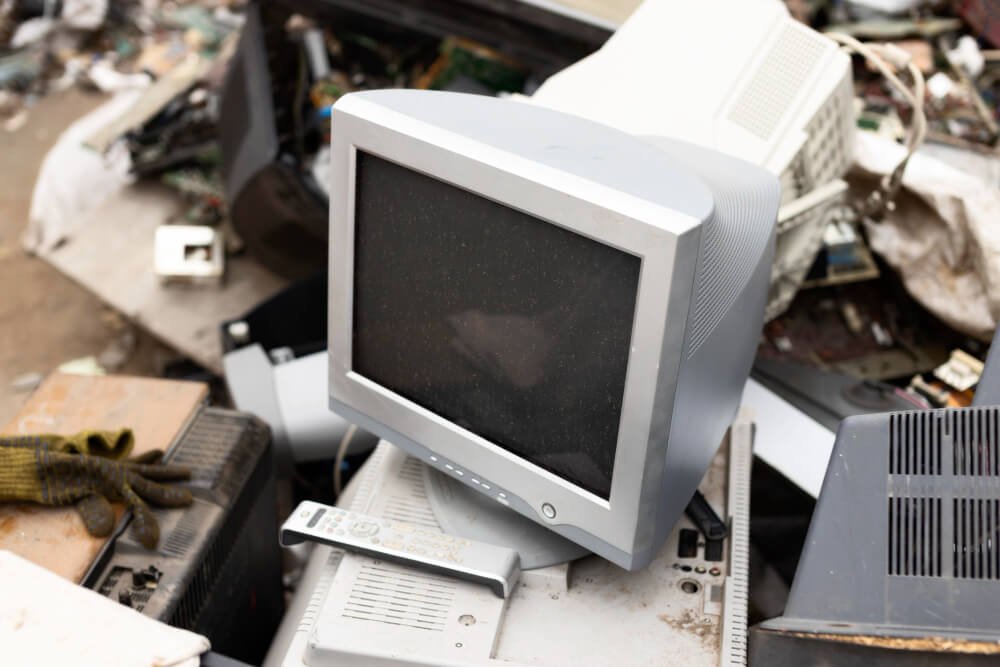

How Much is 1 kg TV Scrap Worth: Current Rates & Selling Guide
Old televisions whether CRT, LCD, or LED often sit unused for years, but they can still be a valuable source of scrap metal and electronic components. Many Australians ask, “How much is 1 kg of TV scrap worth?” The answer isn’t fixed: it depends on the type of TV, the metals and components inside, and current market prices for copper, aluminum, steel, and precious metals. Selling without knowing up-to-date rates can mean undervaluing your scrap and leaving money on the table.
This guide provides everything you need to sell TV scrap efficiently and profitably. You’ll discover the current value of 1 kg TV scrap in AUD, the key factors that affect pricing, and actionable tips for preparation and sale. Whether you’re decluttering a few old sets at home or handling bulk recycling for multiple TVs, this guide will help you maximize cash returns, choose the right buyers, and navigate the TV scrap market confidently. By understanding pricing, board components, and buyer expectations, you can turn those dusty old TVs into real cash while recycling responsibly.
Current TV Scrap Prices (2026)
TV Scrap Price Table
| TV Scrap Type | Price (AUD/kg) | Notes |
|---|---|---|
| CRT TV Scrap | $8 – $18 | Includes steel frame, copper from yokes, and other recoverable metals; glass has minimal resale value |
| LCD/LED TV Scrap (Mixed) | $15 – $30 | Contains plastics, aluminum, steel, and circuit boards; newer boards often increase value |
| TV Motherboards & PCBs | $25 – $55 | High copper and precious metal content; desktop-level PCBs inside flat screens can be valuable |
| Metal Only (Steel/Aluminum) | $1 – $4 | Frames, chassis, and metal housings; low per-kg value but adds bulk |
| Mixed E‑Waste TV Scrap | $10 – $25 | Unsorted components including plastics, metals, and circuit boards; lower per-kg value than sorted scrap |
Pricing Insights
Understanding these rates helps you maximize returns from TV scrap:
- LCD/LED TVs Are More Valuable Than CRTs: Newer TVs typically have more circuit boards, aluminum, and copper wiring, giving them a higher per-kilogram price than bulky CRT TVs.
- CRT TVs Value Comes From Metals: CRT scrap mainly derives value from steel and copper in yokes; the glass itself is largely non-recyclable for profit.
- Motherboards & PCBs Are the Highest-Value Component: Regardless of TV type, boards inside TVs often contain copper, gold, and silver, making them the most profitable part of any set.
- Sorting Increases Profit: Separating motherboards, circuit boards, metals, and plastics before selling can boost per-kg offers significantly, especially for recyclers who value pre-sorted materials.
- Market Fluctuations Matter: TV scrap prices fluctuate with copper, aluminum, and precious metal markets, so checking live rates before selling ensures maximum returns.
What Determines TV Scrap Value
The value of TV scrap is not fixed it depends on several key factors that affect how much recyclers are willing to pay. Understanding these elements helps sellers maximize returns from old CRTs, LCDs, and LED televisions.
1. TV Type
The type of television plays a major role in scrap value:
- LCD/LED TVs: Newer sets contain more recyclable metals, circuit boards, and components, making them more profitable per kilogram. Their thinner, lighter glass and higher-density electronics often command better pricing.
- CRT TVs: Older CRT TVs are heavier due to steel frames and copper yokes, but their glass screens are difficult to recycle for profit, lowering overall value. CRT sets are still worth selling, but their price is primarily derived from metal content rather than the bulk of the TV.
2. Component Content
What’s inside the TV determines most of its scrap value:
- Metals: Copper, aluminum, and steel make up the bulk of the recyclable weight and directly influence the per-kg price.
- Circuit Boards & PCBs: These often contain precious metals like gold and silver, which can drastically increase value.
- Wiring: Copper wiring and transformers in older TVs are valuable.
- Plastics & Glass: While necessary to separate for recycling, plastics and glass have much lower resale value, so sorting them from high-value metals is key.
3. Purity & Sorting
How you prepare your TV scrap significantly affects pricing:
- Sorted Scrap: Separating metals, circuit boards, and wiring before selling ensures recyclers pay premium rates for clean, ready-to-process materials.
- Mixed or Unsorted Scrap: Combining plastics, glass, and metals in one batch reduces the average per-kg price because recyclers must invest extra effort to separate components. Proper sorting can increase offers by 15–30% per kilogram.
4. Market Demand
Scrap prices are influenced by global and local market conditions:
- Global Metal Prices: Fluctuations in copper, aluminum, and precious metals like gold or silver directly impact TV scrap pricing.
- Local Recycling Needs: During periods of high demand, such as corporate TV upgrades or recycling initiatives, scrap yards may offer higher rates to secure supply.
How to Sell TV Scrap
Selling TV scrap efficiently requires organization, preparation, and knowing where to sell. Following these steps ensures you get the best possible price per kilogram and safely recycle your old televisions.
Step 1 – Identify & Sort Components
Before selling, disassemble your TVs carefully to separate high-value components from low-value ones:
- Metal Frame & Chassis: Steel and aluminum parts form the bulk of scrap weight and are the primary source of metal value.
- Circuit Boards & PCBs: Contain copper and precious metals like gold and silver. These often fetch the highest per-kg price.
- Wiring & Transformers: Copper wiring adds significant value.
- Plastics & Glass: Though lower in scrap value, removing plastics from metals can increase overall pricing.
- Hazardous Parts: Capacitors, batteries, and mercury components (common in some LCD backlights) must be removed safely to prevent contamination and ensure compliance with recycling regulations.
Proper sorting not only boosts the price but also makes your scrap more attractive to recyclers.
Step 2 – Weigh Accurately
Accurate measurement is critical for fair pricing:
- Use digital scales for precise weight measurement.
- Record the weight of each separated material metals, PCBs, wiring, and plastics separately.
- Keeping accurate records helps you negotiate confidently with buyers and ensures transparent transactions.
Well-documented weights and organized scrap can increase offers by 15–30% per kilogram compared to unsorted TV batches.
Step 3 – Compare Buyers
Not all buyers pay the same rates, so shopping around is key:
- Local Scrap Yards: Convenient, often offer immediate cash or pickup for bulk scrap.
- Electronics Recyclers: Specialize in e-waste and may offer better pricing for PCBs and high-value components.
- Online Platforms for Instant Quotes: Trusted platforms provide transparent, competitive rates and often allow you to arrange pickup or drop-off easily. Examples include:
Comparing multiple buyers ensures you get the best per-kg pricing and reduces the risk of undervaluing your scrap.
Step 4 – Get Quotes & Sell
Once you’ve identified buyers, follow these steps to finalize the sale:
- Submit Clear Photos & Weights: Provide images of sorted components and record weights for each category. This helps buyers accurately assess value.
- Choose Pickup or Drop-Off: Large volumes may be picked up by recyclers, while small amounts can be delivered to the scrap yard.
- Confirm Payment Before Handing Over Scrap: Ensure payment is processed via verified methods bank transfer, PayPal, or cash before releasing your TVs.
FAQs on TV Scrap
Q1: How much is 1 kg of TV scrap worth?
The price of 1 kg of TV scrap varies based on TV type, component content, and condition, typically ranging from $8 to $55 AUD per kg. CRT TVs usually fetch lower rates due to their heavy glass content, while LCD and LED TVs, especially those with motherboards or PCBs, command higher per-kg prices. Checking current metal market rates before selling ensures you get the best return.
Q2: Which part of a TV has the highest scrap value?
The motherboards and PCBs inside TVs contain copper, gold, silver, and other precious metals, making them the most valuable components. Wires, transformers, and metal frames also add value, while glass and plastics contribute minimally. Sorting these components can significantly increase your per-kg offer.
Q3: Are CRT TVs worth recycling as scrap?
Yes CRT TVs contain valuable metals: steel frames, copper windings in yokes, and internal wiring. However, the glass screen itself is not profitable for most recyclers. Proper separation of metal parts from the glass improves the overall scrap value.
Q4: Should I remove parts before selling?
Yes removing and sorting high-value components such as circuit boards, wiring, and metal sections boosts the per-kg price and makes your scrap more attractive to buyers. Mixed or unsorted TVs usually receive lower offers because recyclers must spend extra effort separating materials.
Conclusion
How much 1 kg of TV scrap is worth empowers you to sell with confidence and maximize your returns. By carefully sorting TVs into components separating metal frames, wiring, plastics, and circuit boards you ensure that recyclers can assess value accurately and offer competitive rates.
Whether you’re recycling a single CRT TV or bulk quantities of LCD and LED sets, these steps help you turn old televisions into cash efficiently, safely, and profitably, while also contributing to responsible e-waste recycling. Don’t leave money on the table check live TV scrap rates, prepare your materials, and sell smartly today.