
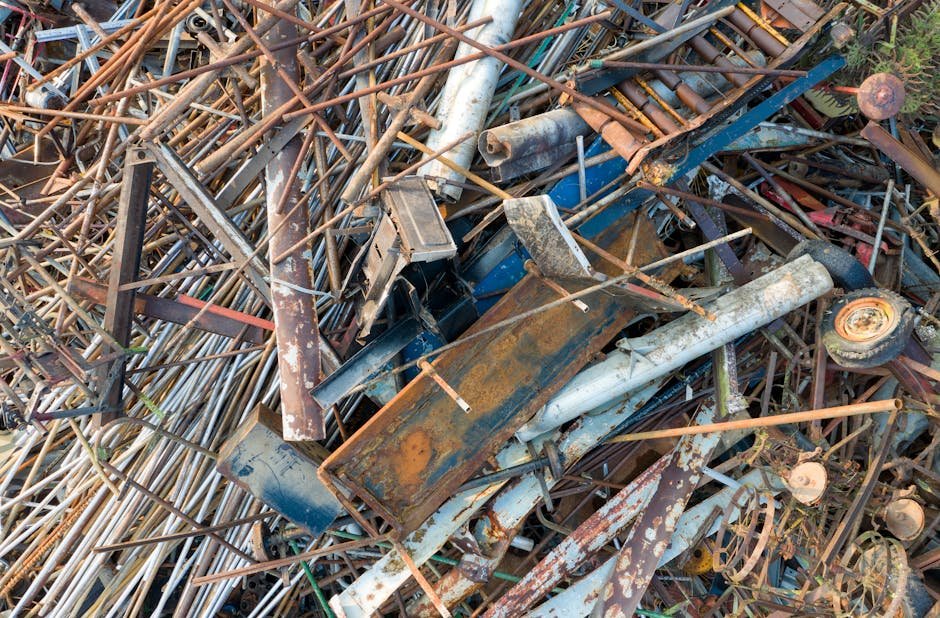

just scrap metal plays a critical role in Australia’s transition to sustainable resource management. From industrial byproducts to household waste, understanding how to identify, recycle, and benefit from scrap metal is essential for businesses and individuals alike. This guide breaks down the grades of scrap, the science of recycling, and why it matters for the environment.
1. Understanding the Grades of Scrap Metal
Scrap metal is categorized by type, composition, and purity. The most common grades include:
- Ferrous Metals: Contain iron and are magnetic. Examples: steel, cast iron, and wrought iron. These are widely used in construction and manufacturing.
- Non-Ferrous Metals: Non-magnetic and resistant to corrosion. Includes copper, aluminum, brass, and zinc. Valuable for electronics, plumbing, and automotive parts.
- Aluminum: Lightweight and highly recyclable. Common in beverage cans, foil, and aircraft components.
- Stainless Steel: A non-ferrous alloy with iron, chromium, and nickel. Used in food processing, medical equipment, and household appliances.
- Copper: High conductivity makes it ideal for wiring, plumbing, and renewable energy systems. ss scrap metal prices often reflect its demand in green technologies.
The purity and grade of scrap determine its market value. For instance, clean, sorted aluminum fetches higher prices than mixed scrap. Always check scrap metal prices to optimize returns.
2. How Scrap Metal Recycling Works
Recycling scrap metal involves several stages, ensuring minimal waste and maximum reuse:
- Collection: Scrap is gathered from demolition sites, manufacturing plants, or households. Sell scrap metal near me in 2026 through scrap yards or mobile collection services.
- Sorting and Processing: Scrap is separated by grade and type using magnets, sensors, and manual labor. Contaminants like plastic or wood are removed.
- Shredding and Melting: Ferrous and non-ferrous metals are shredded or crushed to reduce size. They are then melted in furnaces, with temperatures reaching 3,000°F (1,650°C) for steel.
- Casting and Repurposing: Molten metal is poured into molds to create new products, from construction beams to automotive parts.
Technological advancements, such as AI-powered sorting systems, have improved efficiency. Scrap metal recycling near me services now offer streamlined solutions for residential and commercial clients.
3. Environmental Benefits of Recycling Scrap Metal
Recycling just scrap metal reduces the need for raw material extraction, which is energy-intensive and damaging to ecosystems. Key benefits include:
- Resource Conservation: Recycling 1 ton of steel saves 2,500 lbs of iron ore and 1,400 lbs of coal.
- Energy Efficiency: Producing aluminum from scrap uses 95% less energy than from bauxite ore.
- Waste Reduction: Metal accounts for 25% of global industrial waste. Recycling prevents landfill buildup and groundwater contamination.
- Lowers Greenhouse Emissions: The Australian government estimates recycling reduces CO2 emissions by 10 million tons annually.
For example, Australia’s sutherland scrap metal initiatives have diverted over 50,000 tons of metal waste from landfills in the past five years alone.
4. Practical Tips for Selling Scrap Metal
Maximize your returns by following these expert tips:
- Sort and Clean: Separate metals by grade and remove impurities. Clean metal surfaces to avoid contamination.
- Check Market Trends: Monitor scrap metal prices to time your sales. Copper and stainless steel prices fluctuate with global demand.
- Document Grades: Provide details about the metal’s type and purity. Scrap yards pay premiums for well-documented, high-grade materials.
- Use Reputable Services: Partner with licensed recyclers to ensure compliance with environmental regulations and fair pricing.
Platforms like scrap.trade connect sellers with verified buyers across Australia, simplifying the process of selling scrap metal near me in 2026.
5. The Future of Scrap Metal in Australia
Australia’s scrap metal industry is evolving with circular economy principles. Innovations like electric arc furnaces for steel recycling and blockchain-based supply chains are gaining traction. The government’s 2030 Sustainability Plan aims to increase metal recycling rates to 80% by 2030, emphasizing just scrap metal as a cornerstone of this effort.
Industries are also pivoting toward closed-loop systems. For instance, construction firms now reuse steel beams from demolished buildings, while automotive manufacturers integrate recycled aluminum into new vehicles. scraptrade.com.au highlights case studies of companies achieving zero-waste operations through metal recycling.
6. Challenges and Solutions in Scrap Metal Recycling
While the benefits are clear, the industry faces hurdles such as:
- Contamination: Mixed scrap reduces quality. Solution: Invest in advanced sorting technologies.
- Export Dependence: Australia exports 60% of its scrap metal. Solution: Develop local processing facilities to create jobs and reduce carbon footprints.
- Regulatory Hurdles: Compliance with waste management laws can be complex. Solution: Partner with scrap metal recycling near me services that handle permits and documentation.
Community education is also vital. Programs like sutherland scrap metal workshops teach residents how to identify and recycle metals effectively.
7. Conclusion: Embracing Just Scrap Metal for a Sustainable Future
just scrap metal is more than a byproduct—it’s a resource that drives economic and environmental progress. By understanding grades, mastering recycling processes, and leveraging local services, Australians can contribute to a greener future. Whether you’re a homeowner with old copper wiring or a business owner with industrial waste, every scrap recycled makes a difference.
Visit scrap.trade to access tools for tracking scrap metal prices and connect with certified recyclers. Together, we’re turning waste into opportunity.
Frequently Asked Questions
What are the most valuable grades of scrap metal?
Non-ferrous metals like copper, aluminum, and stainless steel are most valuable due to their high conductivity and corrosion resistance. Check scrap metal prices for real-time market rates.
How does recycling scrap metal reduce environmental harm?
Recycling just scrap metal saves energy, reduces mining waste, and lowers greenhouse gas emissions. For example, recycling aluminum uses 95% less energy than producing new aluminum from bauxite.
Can I recycle mixed scrap metal at home?
Yes, but sorting metals by type improves their value. Use magnets to separate ferrous metals. For professional processing, use scrap metal recycling near me services.
How do I find scrap metal recycling services in my area?
Use platforms like scrap.trade to locate certified recyclers. Services such as sutherland scrap metal offer local expertise and competitive pricing.