
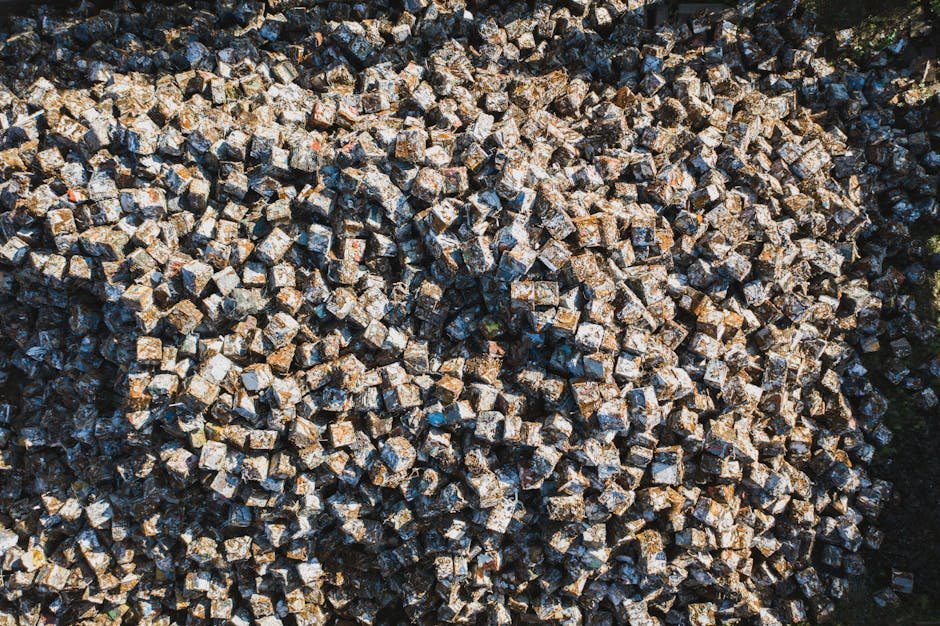

When it comes to scrap lead recycling Sydney, businesses and individuals play a critical role in the circular economy of New South Wales. Lead is a highly dense, toxic, and infinitely recyclable metal, making its proper handling essential for both environmental safety and industrial efficiency. Whether you are an industrial contractor in Western Sydney or a demolition expert on the North Shore, understanding the nuances of lead recovery is vital for regulatory compliance and financial gain.
Understanding Lead Grades and Market Value
Lead is not a monolithic commodity; its value is determined by its purity and the form in which it is presented. In the professional scrap market, lead is typically categorized into several distinct grades. Knowing these grades is the first step in maximizing your return when engaging in Scrap Metal Recycling Near Me services.
Common Lead Grades:
- Soft Lead (Pure Lead): This is the most valuable form, typically found in lead piping, roof flashings, and lead sheeting. It is malleable and highly sought after by manufacturers for its high purity levels.
- Hard Lead (Antimonial Lead): Often found in lead-acid battery grids and certain types of industrial casting. It contains small amounts of antimony to increase its hardness and durability.
- Lead-Acid Battery Scrap: This is the most common form of lead scrap. These batteries contain lead plates and lead oxide in a sulfuric acid electrolyte. Because of their hazardous nature, they require specialized handling. For more information, read our Buy Car Battery Scrap Lead Acid Battery Recycling 2026 Guide.
- Cable Sheathing: Historically used for telecommunications and power cabling, this lead is often contaminated with plastic or rubber insulation, which must be stripped before processing.
In Greater Sydney, lead prices fluctuate based on the London Metal Exchange (LME) and local demand. High-purity soft lead generally commands a premium, while battery scrap is priced based on its weight and the current cost of processing the hazardous electrolyte components.
The Process of Lead Recycling
The recycling process for lead is a sophisticated industrial operation designed to minimize environmental exposure. Once you have located a reliable facility for scrap lead sydney, the material undergoes a rigorous multi-stage transformation.
First, the lead is sorted and cleaned. Contaminants like plastic, paper, or other base metals are removed. This is where the distinction between a trading operation and a recycling facility becomes important; learn more about this in our article on Scrap Trading Vs Recycling Business. Second, the lead is fed into a smelting furnace. Because lead has a relatively low melting point (327.5°C), it is energy-efficient to recycle compared to primary ore extraction.
During smelting, the lead is refined to remove impurities. The resulting molten lead is then cast into ingots or billets. These ingots are sold back to manufacturers to create new batteries, radiation shielding, or construction materials. In NSW, strict environmental regulations ensure that the lead dust and fumes generated during this process are captured via advanced filtration systems, preventing them from entering the atmosphere.
Environmental Benefits and Regulatory Compliance in NSW
Lead is a potent neurotoxin. If disposed of in landfills, it can leach into groundwater or soil, causing long-term ecological damage. Scrap lead recycling Sydney is not just a business; it is a vital environmental service that prevents hazardous materials from entering the ecosystem.
Under the Protection of the Environment Operations Act in New South Wales, the disposal of lead-containing materials is strictly regulated. Businesses must ensure that their scrap is handled by licensed facilities that adhere to EPA standards. By choosing to recycle rather than discard, you are actively participating in the reduction of the carbon footprint associated with primary lead mining, which is significantly more energy-intensive and environmentally destructive than recycling.
For those looking for professional collection services, we offer efficient scrap lead pick up sydney to ensure your site remains compliant and free of hazardous waste. We pride ourselves on being a leader in the industry, providing services that span from the bustling industrial zones of Western Sydney to the specialized residential requirements of the North Shore.
Maximizing Your Returns: Practical Tips for Sellers
If you are looking to sell scrap lead, preparation is key to ensuring you get the best price. First, segregate your metals. Mixing lead with copper or steel will downgrade the value of the entire load. Keep your soft lead separate from your battery scrap and your cable sheathing.
Second, remove as much non-metallic contamination as possible. If you have lead pipes, strip away any attached brass fittings or plastic insulation. Clean scrap is always more valuable because it requires less labor at the recycling facility. Third, keep records of your scrap sales. For businesses, this is essential for tax and environmental auditing purposes. For more resources on the industry, visit the Scrap Trade platform for the latest market updates and insights.
Finally, consider the volume of your scrap. Larger, consistent loads are often eligible for better pricing tiers. If you are a demolition contractor or an automotive workshop in Greater Sydney, partnering with a dedicated scrap metal buyer can provide you with a consistent revenue stream while simplifying your waste management logistics. For a comprehensive overview of the Australian market, you can also consult Scraptrade.com.au.
The Future of Lead Recycling in Australia
As we move toward 2026 and beyond, the demand for lead is expected to remain steady, particularly with the growth of renewable energy storage solutions. While lithium-ion batteries dominate the headlines, lead-acid batteries remain the most recycled consumer product in the world. Their reliability and low cost make them indispensable for automotive and uninterruptible power supply (UPS) applications.
In the coming years, we anticipate further advancements in hydrometallurgical recycling, which uses chemical leaching to recover lead, potentially reducing the need for high-heat smelting. This would further lower the energy requirements of the industry. As a participant in the scrap lead recycling Sydney market, staying informed about these technological shifts will help you stay ahead of the curve.
Safety Protocols for Handling Scrap Lead
Handling lead requires strict adherence to safety protocols. Lead dust is particularly hazardous if inhaled or ingested. When handling lead scrap, always wear appropriate Personal Protective Equipment (PPE), including gloves, safety glasses, and, if there is a risk of dust, a P2-rated respirator.
Never eat, drink, or smoke while handling scrap lead. Always wash your hands thoroughly after coming into contact with lead materials. For businesses in Greater Sydney, it is recommended to have a designated area for lead storage that is covered and protected from the elements to prevent lead-contaminated runoff during rain events. By following these simple safety measures, you protect yourself, your workers, and the environment.
Logistics and Collection Across Sydney
Logistics play a major role in the profitability of scrap recycling. Transporting heavy metals like lead across the Greater Sydney metropolitan area requires specialized equipment. Whether you are operating in the heavy industrial hubs of Western Sydney or the high-end residential suburbs of the North Shore, having a reliable partner for scrap pick-up is essential.
We provide tailored logistics solutions that cater to the specific needs of our clients. From providing dedicated bins for lead collection to scheduling regular pickups, our goal is to make the recycling process as seamless as possible. We understand the traffic and access constraints of Sydney, and our fleet is equipped to handle both small-scale pickups and large-scale industrial clearances.
Conclusion
Scrap lead recycling Sydney is an essential component of a sustainable industrial future. By properly managing lead waste, we not only recover valuable resources but also protect our community from the dangers of toxic exposure. Whether you are a professional tradesperson or a business owner looking to dispose of lead assets, understanding the value, the process, and the regulatory landscape is key to success.
We encourage you to prioritize responsible recycling. By working with reputable partners and following industry best practices, you contribute to a cleaner, safer, and more prosperous New South Wales. For all your recycling needs, remember that the value of your scrap is only as good as the facility you choose to partner with. Keep your materials clean, stay compliant, and maximize your returns in this vital industry.
Frequently Asked Questions
1. Is it legal to sell scrap lead in Sydney? Yes, it is perfectly legal to sell scrap lead to licensed recycling facilities in Sydney. You must ensure the facility is compliant with NSW EPA regulations to ensure the material is processed safely.
2. Why is lead-acid battery recycling so important? Lead-acid batteries contain both toxic lead and sulfuric acid, which can cause severe environmental damage if dumped in landfills. Recycling them ensures these materials are safely neutralized and reused in new battery production.
3. How can I tell if my scrap is lead? Lead is a very heavy, soft metal that is easily scratched with a knife or key. It is typically dull grey in color and does not rust like iron or steel.
4. Do I need a license to recycle lead scrap? Individuals do not need a license to sell scrap lead, but businesses engaged in the collection and transport of large quantities of hazardous waste may need to meet specific regulatory requirements under NSW law.
Frequently Asked Questions
Is it legal to sell scrap lead in Sydney?
Yes, it is perfectly legal to sell scrap lead to licensed recycling facilities in Sydney. You must ensure the facility is compliant with NSW EPA regulations to ensure the material is processed safely.
Why is lead-acid battery recycling so important?
Lead-acid batteries contain both toxic lead and sulfuric acid, which can cause severe environmental damage if dumped in landfills. Recycling them ensures these materials are safely neutralized and reused in new battery production.
How can I tell if my scrap is lead?
Lead is a very heavy, soft metal that is easily scratched with a knife or key. It is typically dull grey in color and does not rust like iron or steel.
Do I need a license to recycle lead scrap?
Individuals do not need a license to sell scrap lead, but businesses engaged in the collection and transport of large quantities of hazardous waste may need to meet specific regulatory requirements under NSW law.