
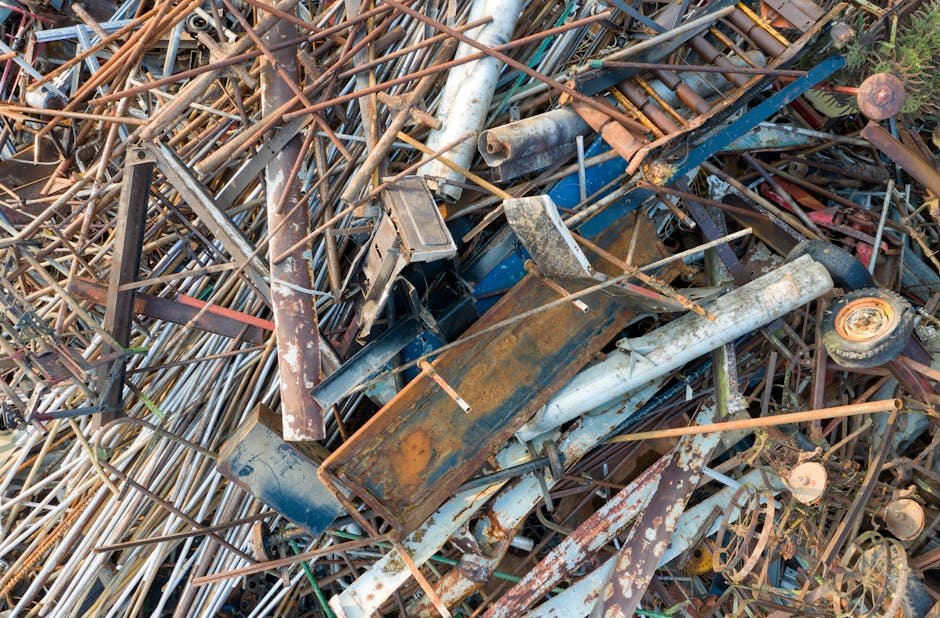

When you search for a scrap shop near me, you are taking the first step toward participating in a circular economy that preserves natural resources and reduces industrial waste. Whether you are a tradesperson cleaning up a job site or a homeowner clearing out a garage, understanding how the industry functions is essential for maximizing your returns and ensuring your materials are processed responsibly. As a leading voice in the Australian industry, our [comprehensive guide to metal recycling](https://scrap.trade) ensures you have the knowledge required to navigate the market effectively.
Understanding the Fundamentals of the Scrap Trade
To engage successfully with a local scrap yard, one must first understand the core mechanics of the industry. At its heart, the industry is about reclaiming value from discarded materials. You can learn more about the industry foundations by reading our guide on What Is Scrap Trade. Metals are unique because they can be recycled infinitely without losing their structural integrity. When you bring your materials to a professional metal recycling center in Australia, you are essentially feeding the manufacturing supply chain with raw materials that would otherwise end up in a landfill.
The process begins with collection and sorting. Most facilities categorize metals into two primary groups: ferrous and non-ferrous. Ferrous metals, such as iron and steel, contain carbon and are magnetic. Non-ferrous metals, including copper, aluminium, brass, and stainless steel, are more valuable due to their scarcity and the energy required to mine them. When you search for a scrap shop near me, look for a facility that provides clear signage and dedicated bays for these different grades to ensure you get the best price for your specific haul.
Decoding Metal Grades: From Copper to Steel
Not all metal is created equal. The value of your scrap is determined by its purity, cleanliness, and current market demand. Understanding these grades is the difference between a minor payout and a significant return. For instance, if you are working with high-performance alloys, you might be dealing with 316 scrap, which is highly prized for its corrosion resistance and high nickel content. Similarly, those who need to shop steel for construction or fabrication projects often find that recycling centers are the most cost-effective source for high-quality, repurposed materials.
Copper is arguably the most sought-after metal in the recycling industry. It is typically graded based on its insulation or oxidation levels. ‘Bright and Shiny’ copper—clean, bare, unalloyed wire—commands the highest price. Conversely, ‘Burnt’ or ‘Insulated’ copper requires extra processing, which lowers its market value. Aluminium is another staple, often found in window frames, siding, and automotive parts. Always ensure your scrap is free of contaminants like plastic, rubber, or non-metallic attachments, as these ‘deductions’ will decrease the weight-based value of your load when you visit a scrap shop near me.
The Lifecycle of Metal: How Recycling Works
The journey from your truck to a new product is a sophisticated industrial process. Once you arrive at a nearby recycler, your material is weighed on a certified scale. This is the most critical step for the seller. After weighing, the metal is processed through a series of stages: shearing, shredding, and melting. Shredders reduce large items like car bodies into fist-sized chunks, which are then separated using magnets (for ferrous) and eddy currents (for non-ferrous).
Once separated, the metals are melted down in massive furnaces. The resulting molten metal is cast into ingots or billets, which are then sold to manufacturers to create new products. This closed-loop system is the backbone of modern sustainability. If you are looking to Sell Scrap, choosing a facility that uses advanced sorting technology ensures that your material is processed with maximum efficiency, keeping the carbon footprint of the recycling process as low as possible.
Environmental Benefits: Why Your Choice Matters
The environmental impact of recycling cannot be overstated. Mining virgin ore is an energy-intensive process that destroys habitats, pollutes waterways, and releases significant greenhouse gases. By contrast, recycling aluminium saves approximately 95% of the energy required to produce the same amount of metal from bauxite ore. Every tonne of steel recycled saves over a tonne of iron ore and hundreds of kilograms of coal.
Beyond energy savings, recycling prevents toxic heavy metals from leaching into the soil in landfills. When you choose to recycle, you are directly contributing to a reduction in the demand for mining. This is why finding a reliable partner in your area is so important. A good recycler isn’t just a shop; it’s an environmental steward that helps keep Australia’s landscapes clean while supporting the national economy.
Logistics and Services: Local Pickup and Yard Operations
For many contractors and large-scale producers, transporting bulk scrap can be a logistical challenge. Many professional scrap yards offer local pickup services for commercial clients, providing skip bins or flatbed trucks to streamline the removal process. If you have a large volume of material, contact your closest dealer to discuss on-site bin placement. This service is designed to keep your work site clean and safe while ensuring that your scrap is handled in compliance with environmental regulations.
When selecting a facility in my area, consider their operational hours, the types of equipment they accept, and their payment terms. Some yards offer instant cash, while others provide electronic transfers or credit accounts for regular business partners. Always prioritize facilities that are transparent about their pricing and have a reputation for ethical business practices. You can find detailed information on various types of Scrap by exploring our comprehensive database.
Maximizing Your Returns: Practical Tips for Sellers
To get the most out of your scrap, preparation is key. First, keep your metals separated. Mixing copper with steel or aluminium with zinc creates a ‘contaminated’ load, which is often bought at the lowest common denominator price. Second, remove any non-metallic components. If you have an electric motor, removing the steel casing can sometimes reveal higher-value copper windings underneath. Third, keep your scrap clean. Dirt, oil, and moisture add weight that does not count toward the metal value, and in some cases, can result in a deduction from your total payout.
Finally, track the market. Metal prices fluctuate daily based on the London Metal Exchange (LME) and local demand. While you cannot control the market, you can control when you sell. If you have the storage space, holding onto your scrap until prices peak can significantly increase your profit. Always check the current rates with your local recycler before making the trip.
Safety and Compliance in the Scrap Industry
Safety is paramount when handling scrap metal. Sharp edges, heavy loads, and industrial machinery present real risks. Always wear appropriate personal protective equipment (PPE), including heavy-duty gloves, steel-toed boots, and high-visibility clothing when visiting a yard. Furthermore, ensure that your vehicle is properly secured for transport. Loose scrap can be a hazard on the road, and many facilities will refuse loads that are not safely contained.
Compliance is equally important. In Australia, scrap yards are subject to strict environmental and waste management laws. A reputable recycler will be fully licensed and will adhere to all state-based regulations regarding the handling of hazardous materials, such as lead-acid batteries or refrigerants. Never attempt to scrap items that contain hazardous substances without first consulting with the facility staff, as improper disposal can lead to severe fines and environmental damage.
The Future of Scrap Recycling in Australia
The Australian recycling industry is evolving rapidly. With increased government focus on waste reduction and the transition to a circular economy, the role of the scrap shop is becoming more central to national infrastructure. We are seeing greater investment in automated sorting, AI-driven identification, and cleaner smelting technologies. This means that the industry is becoming more efficient, more profitable, and more environmentally friendly than ever before.
As a consumer or business owner, your participation is the engine of this progress. By consciously choosing to recycle your metal waste rather than discarding it, you are supporting a sustainable future. Whether you are a first-time seller or a seasoned professional, understanding the value of your scrap and the importance of responsible recycling is a win for you, your business, and the planet. Continue to stay informed, keep your materials clean, and always choose to work with reputable, licensed recyclers in your community.
Frequently Asked Questions
- How do I find the best prices for scrap metal? Prices fluctuate based on global commodity markets and local demand. It is best to call your local facility and ask for their current ‘buy’ rates for the specific grade of metal you are looking to sell.
- What items are generally not accepted at scrap yards? Most yards do not accept items containing hazardous waste, such as sealed containers, radioactive materials, asbestos, or un-drained fuel tanks. Always call ahead if you are unsure about a specific item.
- Is it worth separating my scrap before arriving? Absolutely. Separating your metals by type (e.g., copper, aluminium, steel) ensures you receive the highest possible price for each grade, as mixed loads are often valued at the lowest rate.
- What documentation do I need to sell scrap metal? In many Australian states, you will need to provide valid government-issued identification to comply with anti-theft legislation. Some facilities may also require proof of origin for large commercial quantities.
Frequently Asked Questions
How do I find the best prices for scrap metal?
Prices fluctuate based on global commodity markets and local demand. It is best to call your local facility and ask for their current ‘buy’ rates for the specific grade of metal you are looking to sell.
What items are generally not accepted at scrap yards?
Most yards do not accept items containing hazardous waste, such as sealed containers, radioactive materials, asbestos, or un-drained fuel tanks. Always call ahead if you are unsure about a specific item.
Is it worth separating my scrap before arriving?
Absolutely. Separating your metals by type (e.g., copper, aluminium, steel) ensures you receive the highest possible price for each grade, as mixed loads are often valued at the lowest rate.
What documentation do I need to sell scrap metal?
In many Australian states, you will need to provide valid government-issued identification to comply with anti-theft legislation. Some facilities may also require proof of origin for large commercial quantities.