

Navigating the volatile landscape of the metal recycling industry requires a deep understanding of how the price of recycled steel per ton is determined. For businesses, contractors, and individuals looking to offload ferrous metal, staying informed is the difference between a marginal return and a profitable scrap sale. In Australia, the market for scrap steel is heavily influenced by domestic construction activity, international export demand, and the logistical costs associated with transport and processing.
Understanding the Factors Influencing Steel Pricing
The market for scrap metal is not static; it is a global commodity market that reacts to supply and demand shifts in real-time. When you look up the price of recycled steel per ton, you are viewing a snapshot of a complex economic ecosystem. Several primary factors dictate these fluctuations:
- Global Commodity Markets: Steel prices are tethered to the global price of iron ore and coking coal. When the cost of virgin steel production rises, the demand for recycled scrap steel increases as manufacturers seek cost-effective alternatives.
- Local Demand and Proximity: The distance between your scrap location and the nearest processing facility significantly impacts the net value. Freight costs are a major component of the final price per kg.
- Material Grading: Not all steel is created equal. High-grade industrial offcuts, such as mild steel or clean sheet metal, command higher prices than rusted, contaminated, or mixed-grade scrap.
- Currency Fluctuations: Because steel is traded internationally in USD, the strength of the Australian Dollar (AUD) plays a pivotal role in the final payout for exporters.
For those looking to maximize their returns, it is essential to understand the nuances of the market. You can learn more about the specifics of grading and market timing in our Scrap Steel Price Per Kg A Complete Guide For Sellers. By keeping an eye on current price of recycled steel, you can better time your sales to align with market peaks.
The Recycling Process: From Scrap to New Steel
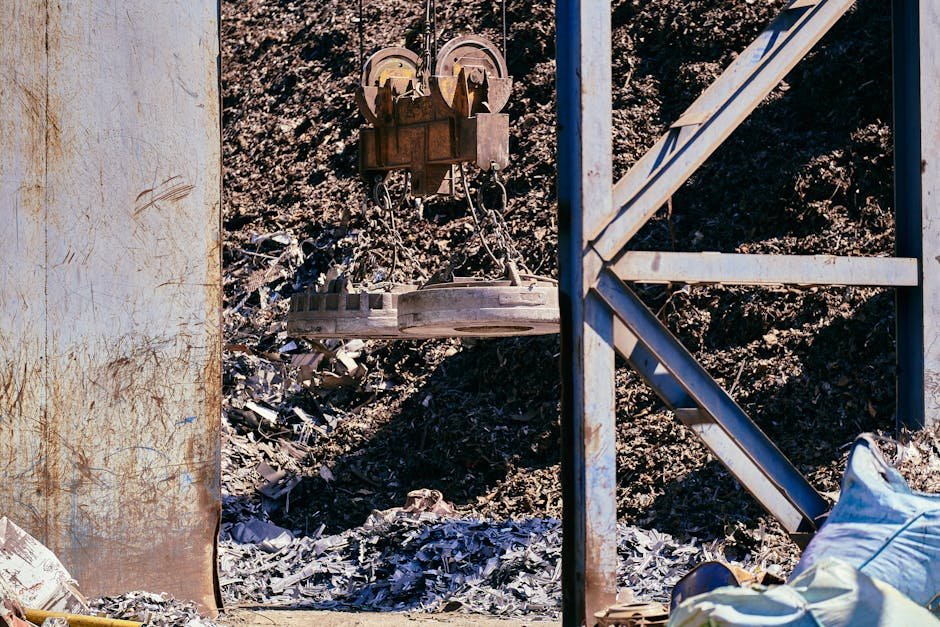
The journey of a piece of scrap steel from a demolition site to a new structural beam is a testament to the efficiency of the circular economy. Once collected, the material undergoes a rigorous process. First, the scrap is sorted; ferrous metal is separated from non-ferrous materials using large industrial magnets. This is a critical step because contamination—such as plastic, rubber, or wood—can downgrade the quality of the final melt.
After sorting, the steel is processed through shredders or hydraulic shears. Shredding breaks the metal down into small, uniform pieces, which increases the surface area for the smelting process. These pieces are then fed into an Electric Arc Furnace (EAF). Unlike traditional blast furnaces that rely on iron ore, EAFs use electricity to melt recycled scrap, significantly reducing carbon emissions. If you are interested in the specific economics of this cycle, check out our insights on recycle steel price per ton to see how processing costs are factored into the final buy price.
For those dealing with more specialized materials, it is important to distinguish between standard mild steel and higher-value alloys. If you are handling stainless steel, the pricing structure changes entirely. You should consult our guide on Stainless Steel Scrap Price to ensure you are not mispricing your materials. Proper sorting is the most effective way to ensure you receive the best possible Stainless Scrap Price How To Sell Stainless Steel Scrap For Maximum Profit.
Logistics: Drop-off vs. Pickup Services
One of the most common questions sellers have is whether to drop off their scrap or arrange for a pickup. The decision usually comes down to volume and the type of equipment available on-site. For small-scale sellers, dropping off at a certified recycling facility is often the most cost-effective method. It avoids the heavy fees associated with dispatching a skip truck or a crane-equipped flatbed.
However, for large-scale demolition projects or industrial manufacturing facilities, professional pickup services are standard. When arranging a pickup, you must account for the logistical cost in your net profit. Scrap dealers often provide skip bins or “hook-lift” bins, which allow for efficient on-site segregation. By keeping your scrap clean and separated at the source, you reduce the labor required by the recycler, which can often be negotiated into a higher price per kg for your material. To find a reputable partner for your recycling needs, visit Australia’s leading scrap metal trading directory to connect with local buyers who offer competitive rates.
Environmental Impact and Sustainability
Recycling steel is one of the most effective ways to reduce industrial carbon footprints. Producing steel from recycled scrap requires significantly less energy than producing it from virgin iron ore. By some estimates, recycling steel saves up to 75% of the energy needed for new production. This reduction in energy consumption directly translates to lower greenhouse gas emissions.
Furthermore, recycling diverts massive amounts of waste from landfills. Steel is infinitely recyclable, meaning it can be melted down and reformed without losing its structural integrity. This makes it a cornerstone of the circular economy. As Australia moves toward more stringent environmental regulations, the demand for recycled content in construction and manufacturing is expected to rise, which will likely support the long-term stability of the price of recycled steel per ton.
Strategic Tips for Maximizing Your Scrap Value
To ensure you are getting the most out of your scrap, follow these expert strategies:
- Segregation is Key: Never mix your metals. Keep your mild steel separate from alloys or stainless steel. Contamination is the fastest way to see your payout drop.
- Clean Your Scrap: Remove non-metallic attachments like plastic handles, rubber seals, or heavy grease. Clean steel is processed faster and is more valuable to the recycler.
- Volume Matters: Larger loads often command better pricing due to the economies of scale. If you are a small business, consider accumulating your scrap until you have a full truckload.
- Build a Relationship: Work with a consistent buyer. Dealers are more likely to offer preferential pricing to repeat clients who provide clean, sorted material.
- Monitor the Market: Use online resources like our scrap metal trading platform to stay updated on current metal prices today. Knowledge is your best negotiating tool.
Technical Specifications: Ferrous vs. Non-Ferrous
Understanding the difference between ferrous and non-ferrous metals is essential for any scrap seller. Ferrous metals contain iron, making them magnetic. This category includes mild steel, carbon steel, and wrought iron. Because these materials are abundant, they are usually traded in higher volumes at a lower price per kg compared to non-ferrous metals like copper or aluminum. However, because the volume is so high, the total value per load can be substantial.
Sheet metal, for instance, is a common form of ferrous scrap. It is often thin and takes up a large amount of space, which can make transport expensive. If you are dealing with large quantities of sheet metal, talk to your buyer about the best way to prepare it—sometimes flattening or bundling the material can save on transport costs and increase the net payout.
The Future of Steel Recycling in Australia
The Australian scrap metal industry is currently undergoing a transformation driven by technology. New sensor-based sorting technologies are allowing recyclers to identify and separate metal alloys with much higher precision. This leads to higher-quality recycled products, which in turn increases the value of the scrap input. As global manufacturers prioritize “green steel,” the role of the scrap recycler will become even more critical.
We are also seeing a shift toward more transparent pricing models. Digital platforms are making it easier for sellers to compare offers and find the best current scrap prices in their region. This transparency is forcing the market to become more competitive, which is ultimately a win for the seller. By staying engaged with industry news and utilizing digital tools, you can ensure that you are always operating at the top end of the market value.
Conclusion: Taking Action
The recycling of steel is a vital component of both the Australian economy and our global environmental strategy. Whether you are a small contractor with a single truckload of mild steel or a large industrial firm managing ongoing waste, understanding the factors that influence the price of recycled steel per ton is essential. From the initial sorting of your scrap to the final negotiation with your buyer, every step you take to ensure quality and cleanliness will pay dividends.
Remember that the market is dynamic. What you earn today may differ from what you earn next month. By focusing on volume, proper segregation, and maintaining strong relationships with reputable buyers, you can ensure consistent and profitable results. For further reading and to stay ahead of the curve, continue exploring our expert guides and market updates to maximize your returns on every kilogram of steel you recycle.
Frequently Asked Questions
What is the primary factor that changes the price of recycled steel per ton?
The primary factor is the global demand for steel, which is heavily influenced by the iron ore market and industrial activity. Local factors like transport costs and the specific grade of the steel also play a significant role.
Does the price per kg vary between different types of steel?
Yes, steel is graded based on its composition and purity. Clean mild steel and industrial offcuts generally command higher prices than mixed, rusted, or contaminated scrap.
Is it better to drop off scrap or have it picked up?
For smaller quantities, dropping off is usually more profitable as it avoids transport fees. For large industrial volumes, professional pickup services are more efficient and can be negotiated into the deal.
How can I ensure I get the best price for my scrap steel?
The best way to maximize profit is to keep your metals clean, properly sorted by grade, and free of non-metallic contaminants like plastic or rubber. Also, keep track of market trends to sell when demand is high.