
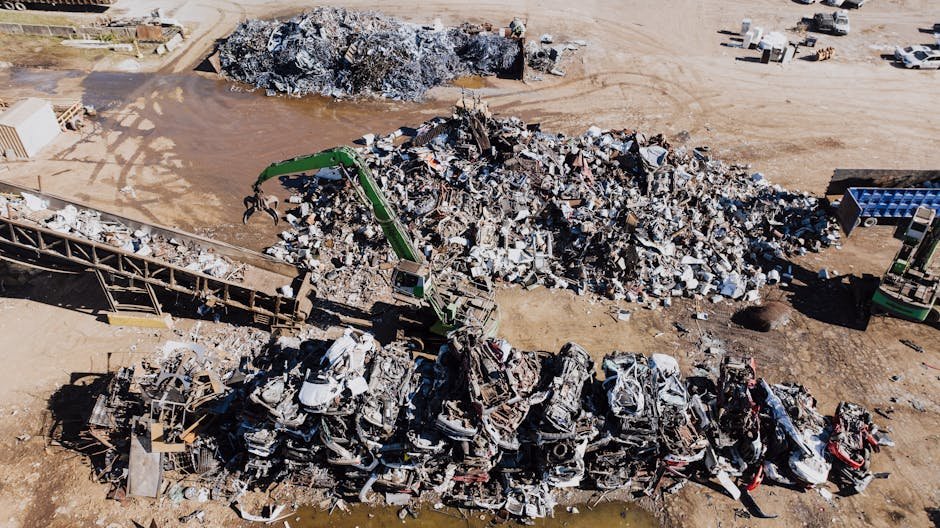

Understanding the full lifecycle of materials is essential for both industrial efficiency and environmental stewardship, which is exactly why scrappy’s metal recycling has become a cornerstone of the Australian circular economy. Whether you are a trade professional, a demolition contractor, or a household owner looking to clear out unwanted materials, knowing how to identify, grade, and process scrap metal is the key to unlocking its financial and ecological value. By choosing a professional scrap metal trading platform, you ensure that your materials are handled according to the highest industry standards.
The Fundamentals of Scrappy’s Metal Recycling
At its core, the industry of scrappy’s metal recycling operates on a simple premise: metal is infinitely recyclable. Unlike plastics or paper, which degrade in quality over successive recycling cycles, metals like copper, aluminium, and steel can be melted down and reformed indefinitely without losing their structural integrity. This characteristic makes metal one of the most valuable commodities in the global market.
When you start your journey into metal recovery, the first step is identifying what you have. Metals are generally categorised into two primary groups: ferrous and non-ferrous. Ferrous metals contain iron and are magnetic; they include steel, cast iron, and wrought iron. Non-ferrous metals, such as copper, aluminium, brass, and lead, do not contain iron and are highly valued due to their resistance to corrosion and their high conductivity. If you are looking to get started, you can find a Scrap Metal Recycling Near Me to begin the assessment process.
Understanding Metal Grades and Market Value
To maximise the return on your scrap, you must understand how recycling facilities grade incoming materials. Grading is essentially a quality control process that determines the purity and composition of the metal. For example, copper is graded based on its cleanliness—bright and shiny copper (Grade 1) commands a significantly higher price than copper that is painted, insulated, or contaminated with solder.
For those involved in industrial or construction projects, knowing the Core Metal Recycling standards is vital. These standards define how specific alloys are valued based on their chemical makeup. Purity is the single most important factor in the pricing of non-ferrous metals. If you are located in specific regions, such as when searching for hornsby metal recycling or seeking metal recycling goolwa, the local facility will use X-ray fluorescence (XRF) analysers to determine the exact alloy grade of your scrap. This technology allows for precise identification, ensuring that you receive fair market value for the specific grade of metal you are providing.
The Process: How Scrap Metal Moves Through the Supply Chain
The recycling process is a highly engineered sequence of events designed to transform scrap into a high-grade raw material. Once you have located a Metal Recycling Near Me, the material undergoes a series of steps: collection, sorting, processing, and melting.
Collection is the gathering of scrap from various sources, including manufacturing offcuts, demolition sites, and end-of-life appliances. Sorting is the most critical phase, where advanced machinery—including magnetic separators, eddy current separators, and optical sensors—is used to isolate specific metals. In modern facilities, this is often done using heavy-duty shredders that break down bulky items into manageable pieces, allowing for the easy removal of contaminants like plastic, rubber, or glass. For comprehensive resources on how to prepare your materials, visit Australia’s leading scrap metal portal to stay updated on market trends and industry best practices.
Once sorted and cleaned, the metal is compressed into bales or processed into small chips. These are then shipped to smelters or foundries where they are melted down in high-temperature furnaces. The molten metal is then cast into ingots or billets, which are sent back to manufacturers to create everything from new car parts to structural beams for skyscrapers.
Environmental Benefits of Metal Recycling
The environmental impact of recycling is profound. Mining for virgin ore is an energy-intensive process that requires the removal of massive amounts of earth, leading to habitat destruction, soil erosion, and water pollution. By contrast, using recycled metal drastically reduces the energy required for production.
For instance, recycling aluminium saves approximately 95% of the energy required to produce the same amount of aluminium from bauxite ore. This energy saving directly translates to a massive reduction in greenhouse gas emissions. Furthermore, the recycling industry diverts millions of tonnes of waste from landfills annually, preventing the leaching of toxic heavy metals into the soil and groundwater. Scrappy’s metal recycling is not just a business transaction; it is a vital component of a sustainable future, ensuring that we preserve natural resources for generations to come.
Best Practices for Preparing Your Scrap
To ensure you get the best price and to streamline the recycling process, preparation is key. Here are some expert tips:
- Segregate your metals: Keep ferrous and non-ferrous metals separate. Mixing them can downgrade the value of your entire load.
- Remove non-metal contaminants: Take the time to remove plastic casings, rubber seals, and wood attachments. A clean load is a high-value load.
- Strip wires carefully: While copper wire is valuable, stripping the insulation can significantly increase the payout. However, ensure you do this safely and only if the volume justifies the time.
- Know your grades: Learn the difference between different types of copper (e.g., bright wire vs. burnt copper) and aluminium (e.g., cast vs. extrusion).
- Safety first: Always wear protective gear, including gloves and safety glasses, when handling scrap metal, as it can have sharp edges.
Economic Impact and Global Trade
Metal recycling is a global industry that supports thousands of jobs across Australia. It is a vital link in the manufacturing supply chain. When you recycle, you are participating in a global commodity market that reacts to supply and demand. Factors such as infrastructure development in emerging economies, global automotive production, and energy prices all influence the daily spot price of metals.
By engaging with a professional platform, you gain access to the data and insights necessary to navigate these fluctuations. Whether you are a small-scale recycler or a large industrial partner, understanding the market allows you to time your sales for maximum profitability. The industry also plays a role in national security by ensuring a steady supply of essential raw materials, reducing reliance on imported virgin metals.
The Future of Metal Recycling in Australia
Looking ahead, the industry is moving toward greater automation and transparency. The integration of digital tracking for scrap, improved sorting technologies, and stricter environmental regulations are transforming the landscape. As Australia pushes toward a net-zero future, the role of scrappy’s metal recycling will only grow in importance. We are seeing a shift toward ‘urban mining,’ where cities are viewed as vast reservoirs of raw materials waiting to be reclaimed.
Investment in advanced recycling facilities will allow for the recovery of rare earth metals from electronic waste, a sector that is currently under-utilised. This evolution will require collaboration between government, industry, and the public. By continuing to support local recycling initiatives, you are contributing to a more resilient and sustainable Australian economy.
Conclusion: Taking Action
The journey of a piece of scrap metal—from a discarded pipe or an old engine block to a brand-new product—is a testament to the efficiency of the circular economy. By participating in this process, you are doing more than just clearing space; you are actively contributing to the conservation of energy, the protection of our environment, and the support of the Australian manufacturing sector.
Whether you are looking for specific regional services or general guidance on how to maximise your returns, the resources available at our platform provide the expertise you need. Start your journey today by identifying your scrap, understanding its value, and connecting with a reputable recycler. The future of our planet depends on the choices we make today, and recycling your metal is one of the most impactful decisions you can make.
Frequently Asked Questions
What is the difference between ferrous and non-ferrous metals?
Ferrous metals contain iron and are magnetic, such as steel and iron. Non-ferrous metals, like copper, aluminium, and brass, do not contain iron and are generally more valuable due to their corrosion resistance and conductivity.
How can I get the best price for my scrap metal?
To get the best price, ensure your metals are clean, sorted by type, and free from non-metal contaminants like plastic or rubber. Research the current market rates for the specific grade of metal you are selling.
Why is it important to remove insulation from copper wire?
Removing insulation increases the purity of the copper, which allows the recycler to process it more efficiently. Clean, bare copper wire is classified as a higher grade and therefore commands a higher price than insulated wire.
Does recycling metal really save energy?
Yes, significantly. Producing metal from recycled material requires a fraction of the energy needed to mine, transport, and refine virgin ore, with aluminium recycling saving up to 95% of the energy compared to primary production.