
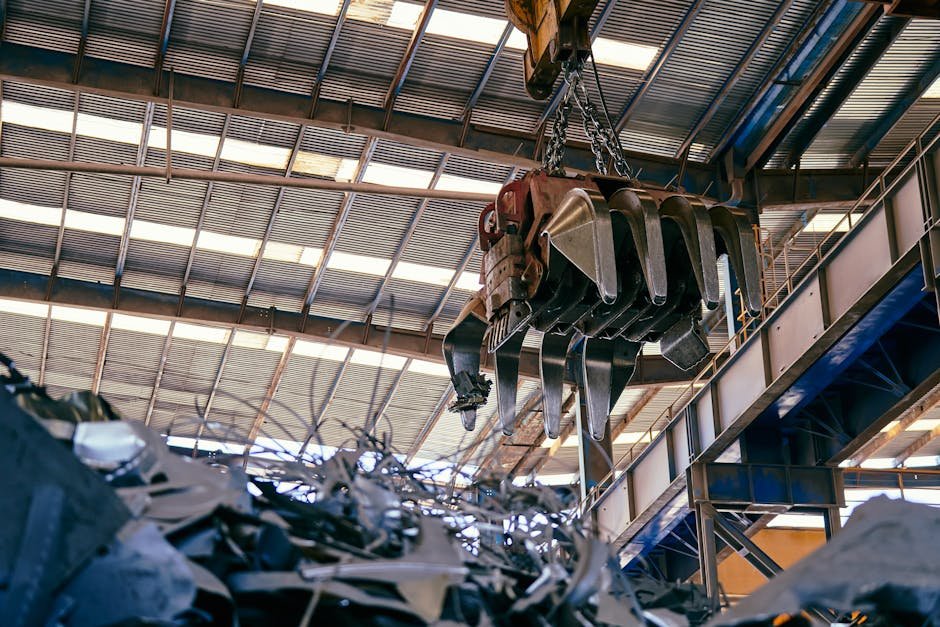

Navigating the complex landscape of iron and steel scrap prices is essential for anyone involved in the Australian metal recycling industry. Whether you are a demolition contractor, a manufacturing plant manager, or a private collector, understanding the valuation of ferrous metal is the key to maximizing your returns. As the global economy shifts toward circular manufacturing, the demand for high-quality recycled steel has never been higher, making it vital to stay informed on the latest market trends and pricing mechanisms.
Understanding the Market Mechanics of Iron and Steel Scrap Prices
The valuation of scrap metal is not a static figure; it is a dynamic reflection of global industrial health. When analyzing iron and steel scrap prices, one must look at the interplay between supply chain logistics and international commodity exchanges. In Australia, domestic pricing is heavily influenced by the export market, particularly the demand from steel mills in Asia. When global steel production increases, the demand for high-quality ferrous scrap rises, pushing prices upward.
Conversely, when construction slows or manufacturing output dips, the market experiences an oversupply, leading to a softening of rates. Factors such as energy costs, shipping freight rates, and the strength of the Australian dollar also play a critical role. For those tracking current trends, checking iron scrap prices today is a standard practice to ensure you are receiving a fair market valuation for your materials. Because these rates change frequently, professional traders rely on real-time data to hedge against market volatility.
Furthermore, the physical location of your scrap plays a significant role in the net value you receive. Transporting heavy steel is costly, and the distance to the nearest processing facility will often be deducted from the gross value of the load. By engaging with a reputable Iron Scrap Group, you can gain better insights into logistical efficiencies that help mitigate these transport costs, ensuring that your bottom line remains protected despite fluctuations in the global market.
Categorizing Ferrous Metal: Grades and Specifications
Not all scrap is created equal. The value of your material depends heavily on its classification, purity, and chemical composition. In the world of recycling, we classify materials into specific grades to ensure they can be melted down efficiently by steel mills. Understanding these grades is the first step toward getting the best scrap steel prices per kilo for your specific load.
Common Ferrous Grades:
- Mild Steel: This is the most common form of steel, used extensively in construction and general manufacturing. It is highly sought after due to its versatility and ease of recycling.
- Sheet Metal: Often found in automotive parts, roofing, and appliances, this thin-gauge material requires specific processing to reach the density requirements of modern electric arc furnaces.
- Cast Iron: Known for its high carbon content, cast iron is brittle and requires careful handling. It is often found in heavy machinery, pipes, and historical architectural elements.
- Wrought Iron: Though rarer today, wrought iron is highly valued for its purity and historical significance. It is distinct from cast iron due to its fibrous structure.
When you are looking to sell, it is important to separate your materials. Mixing high-grade steel with contaminated or low-grade iron will often result in the entire load being valued at the lowest common denominator. For those dealing with more specialized materials, it is worth comparing these rates against the current Stainless Steel Scrap Price, as these alloys often command significantly higher premiums due to the nickel and chromium content.
The Recycling Process: From Scrap to New Steel
The journey of a piece of scrap metal from a demolition site to a new product is a marvel of industrial engineering. The process begins with collection and sorting. Advanced recycling facilities use magnetic separators and eddy current sorters to pull ferrous metal out of mixed waste streams. Once separated, the scrap is shredded or sheared into smaller, uniform pieces to increase its bulk density.
This density is crucial for transport and melting. Once the material reaches a steel mill, it is charged into an electric arc furnace (EAF) or a basic oxygen furnace (BOF). The scrap is melted at extreme temperatures, and alloying elements are added to achieve the desired chemical profile for the new batch of steel. This process is incredibly efficient; steel is 100% recyclable without any loss of quality, meaning a piece of scrap steel can be recycled infinitely.
By utilizing a professional scrap metal trading platform, you are contributing to this circular economy. Recycling steel consumes significantly less energy than producing steel from raw iron ore. This energy saving is one of the primary drivers behind the environmental benefits of the industry, as it drastically reduces the carbon footprint associated with heavy manufacturing.
Factors Affecting the Cost of Your Scrap
Several variables impact the final payout you receive when you bring your metal to a yard. Beyond the global commodity price, local factors play a significant role. The primary factor is the volume and cleanliness of your scrap. A large, sorted, and clean load of mild steel is much easier for a recycler to process than a mixed load of rusted, contaminated, or non-ferrous attached materials.
Contamination is the enemy of value. If your scrap includes plastic, rubber, wood, or non-ferrous metals like copper or aluminum, the recycler must spend time and money separating these materials. This cost is passed on to the seller through lower rates. To ensure you get the best scrap steel prices per kilo, always aim to present your material in a clean, segregated state.
Market demand also fluctuates seasonally. For instance, construction activity often peaks in certain quarters, leading to higher demand for structural steel scrap. Conversely, holiday periods may see a slowdown in industrial activity, which can lead to a temporary dip in prices. For the latest updates, visit Scrap Prices to keep an eye on how these seasonal trends are currently impacting the Australian market.
Environmental Benefits and Sustainability
The environmental case for recycling iron and steel is undeniable. Every tonne of recycled steel produced saves approximately 1.5 tonnes of iron ore, 0.5 tonnes of coal, and 40% of the water used in the production process. Furthermore, recycling reduces greenhouse gas emissions by up to 75% compared to virgin steel production.
As Australia moves toward net-zero targets, the role of the scrap metal industry becomes increasingly central. By keeping steel in the loop, we reduce the need for destructive mining practices and lower the energy intensity of our industrial sectors. When you choose to recycle, you are not just making a financial decision; you are participating in a global effort to preserve natural resources for future generations.
For businesses, engaging in sustainable scrap management is also a way to improve their ESG (Environmental, Social, and Governance) ratings. By partnering with certified recycling firms found at professional Australian scrap trading hubs, companies can ensure their waste is handled responsibly and that they receive accurate documentation for their environmental reporting.
Practical Tips for Maximizing Your Scrap Returns
To ensure you are getting the most out of your scrap, follow these expert tips:
- Sort by Grade: Never mix your metals. Keep your cast iron separate from your mild steel and sheet metal.
- Remove Non-Metal Attachments: Strip away plastic, wood, and rubber. The cleaner the metal, the higher the price.
- Understand Volume: Many scrap yards offer better rates for larger volumes. If you have a small amount, consider stockpiling until you have enough to make a trip worthwhile.
- Build Relationships: Establishing a long-term relationship with a local scrap yard can lead to better service and more transparent pricing.
- Stay Informed: Regularly check online resources for market updates. Being aware of whether the market is trending up or down allows you to time your sales for maximum profit.
By treating your scrap as a valuable commodity rather than waste, you shift your mindset from disposal to resource management. This shift is the hallmark of a successful participant in the modern scrap metal market.
Future Trends in the Australian Scrap Industry
The future of the Australian scrap industry is bright, driven by technological advancements and a growing emphasis on sustainability. We are seeing increased investment in automated sorting technology, which allows for higher precision in identifying metal grades. This technology ensures that mills receive the exact specifications they need, which in turn stabilizes the market for iron and steel scrap prices.
Additionally, the rise of green steel—steel produced using hydrogen or renewable energy—is set to change how scrap is valued. As mills transition to cleaner production methods, the demand for high-quality, low-impurity scrap will skyrocket. This shift will likely favor those who can provide clean, sorted, and high-quality materials.
As we look forward, the integration of digital platforms will continue to simplify the trading process. Real-time bidding, transparent pricing, and efficient logistics are becoming standard, making it easier than ever for the average person to participate in the market. Whether you are a small business owner or a large industrial entity, the tools available today provide unprecedented access to market data and fair trading practices.
Conclusion: The Value of Your Steel
In conclusion, iron and steel scrap are vital components of the Australian economy and the global environmental strategy. By understanding the factors that influence iron and steel scrap prices, recognizing the different grades of ferrous metal, and adopting best practices for collection and sorting, you can ensure that you are maximizing the value of your materials. Remember that the market is always evolving, and staying connected with industry leaders and current pricing data is your best defense against volatility.
Whether you are dealing with wrought iron, heavy cast iron, or standard sheet metal, your contribution to the recycling loop is significant. By choosing to recycle, you are supporting a sustainable future while capturing the economic value inherent in these materials. For those ready to take the next step, utilize the resources provided by professional scrap trading platforms to stay ahead of the curve and ensure your scrap metal operations are as profitable and efficient as possible.
Related: scrap steel prices per kilo
Frequently Asked Questions
How do I know what grade my scrap steel is?
You can typically identify grades by the metal’s weight, appearance, and magnetic properties. Mild steel is magnetic and common in construction, while cast iron is heavier, more brittle, and also magnetic.
Why do iron and steel scrap prices change so often?
Prices fluctuate based on global supply and demand, the cost of raw iron ore, international shipping rates, and the energy costs required to run steel mills.
Does it matter if my scrap metal is rusty?
Surface rust is generally acceptable for ferrous scrap, but heavy corrosion or oxidation can reduce the weight and quality, potentially leading to lower prices from the recycler.
What is the best way to get the highest price for my scrap?
The best way is to keep your metals clean, remove all non-metal contaminants like plastic or wood, and sort different grades into separate piles before taking them to the yard.